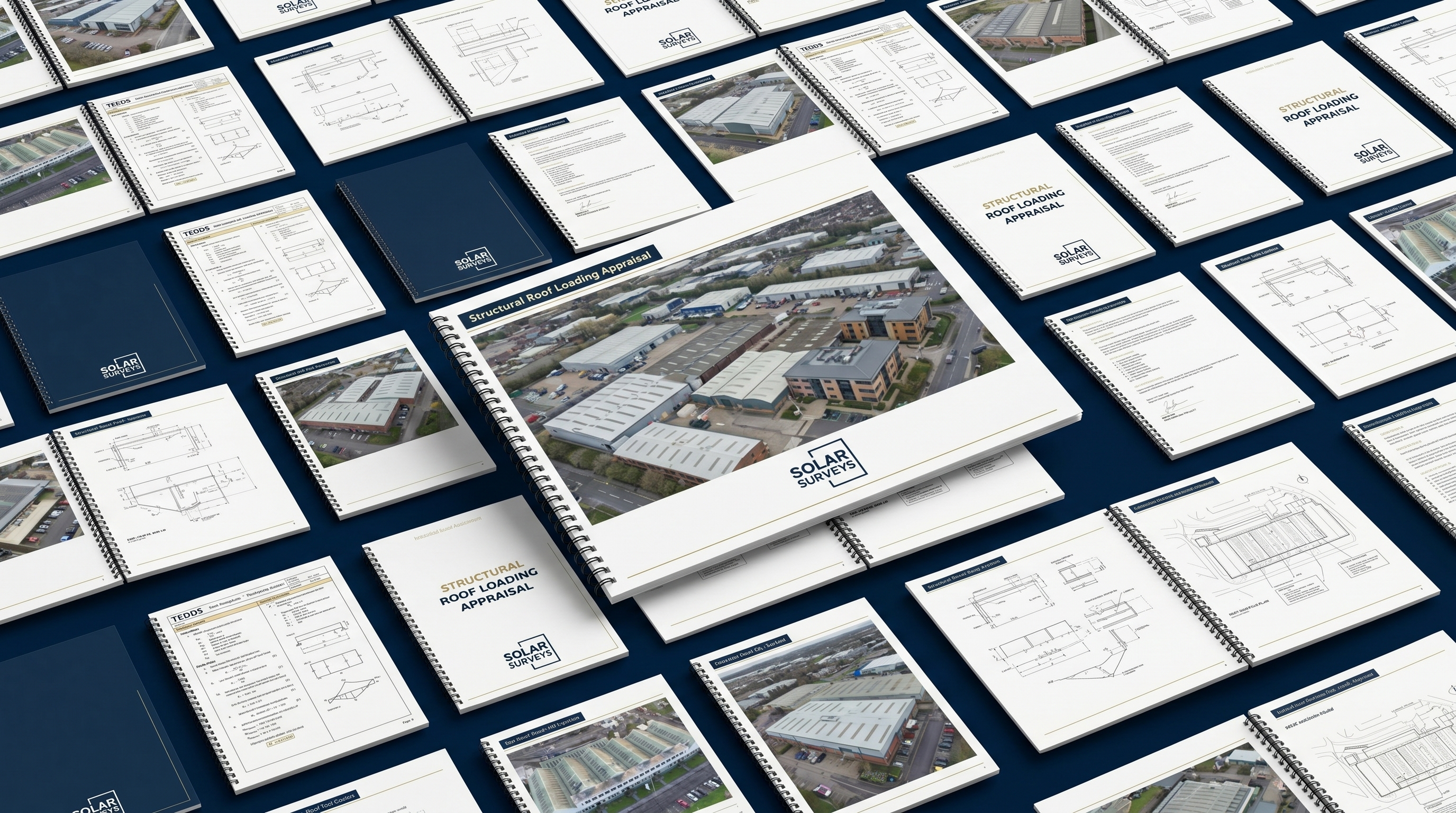
Is Your Commercial Roof Strong Enough for Solar Panels?
Before you install rooftop solar, find out whether your commercial roof can carry the array. A free 60-second structural pre-check, plus what a full assessment covers.
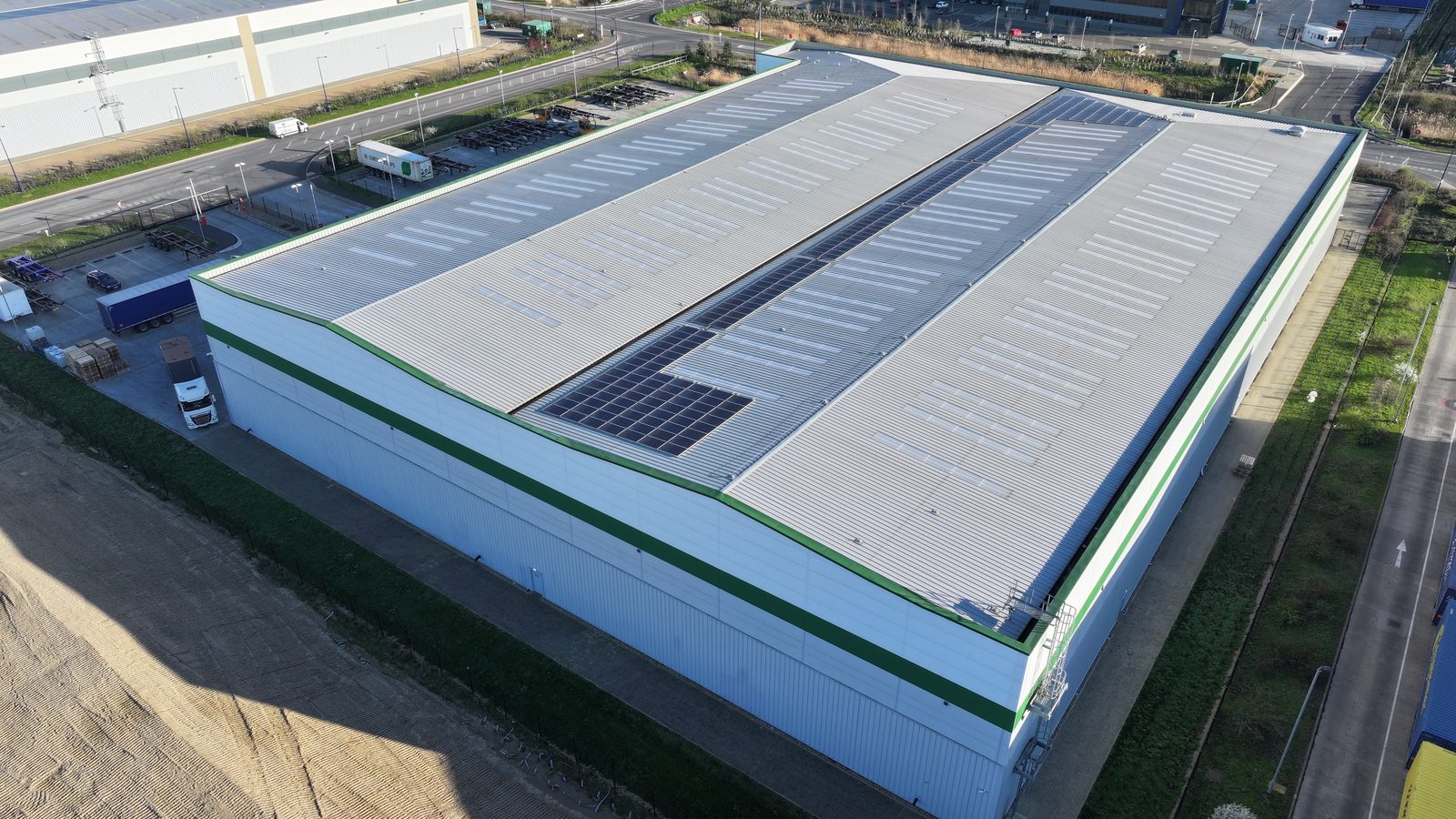
MIS 3002 V6.0: What the 2026 Structural Mandate Means for Solar Installers
From 18 June 2026, MIS 3002 V6.0 requires a documented structural assessment for MCS-licensed solar installs. Here is what changed and what installers must evidence.
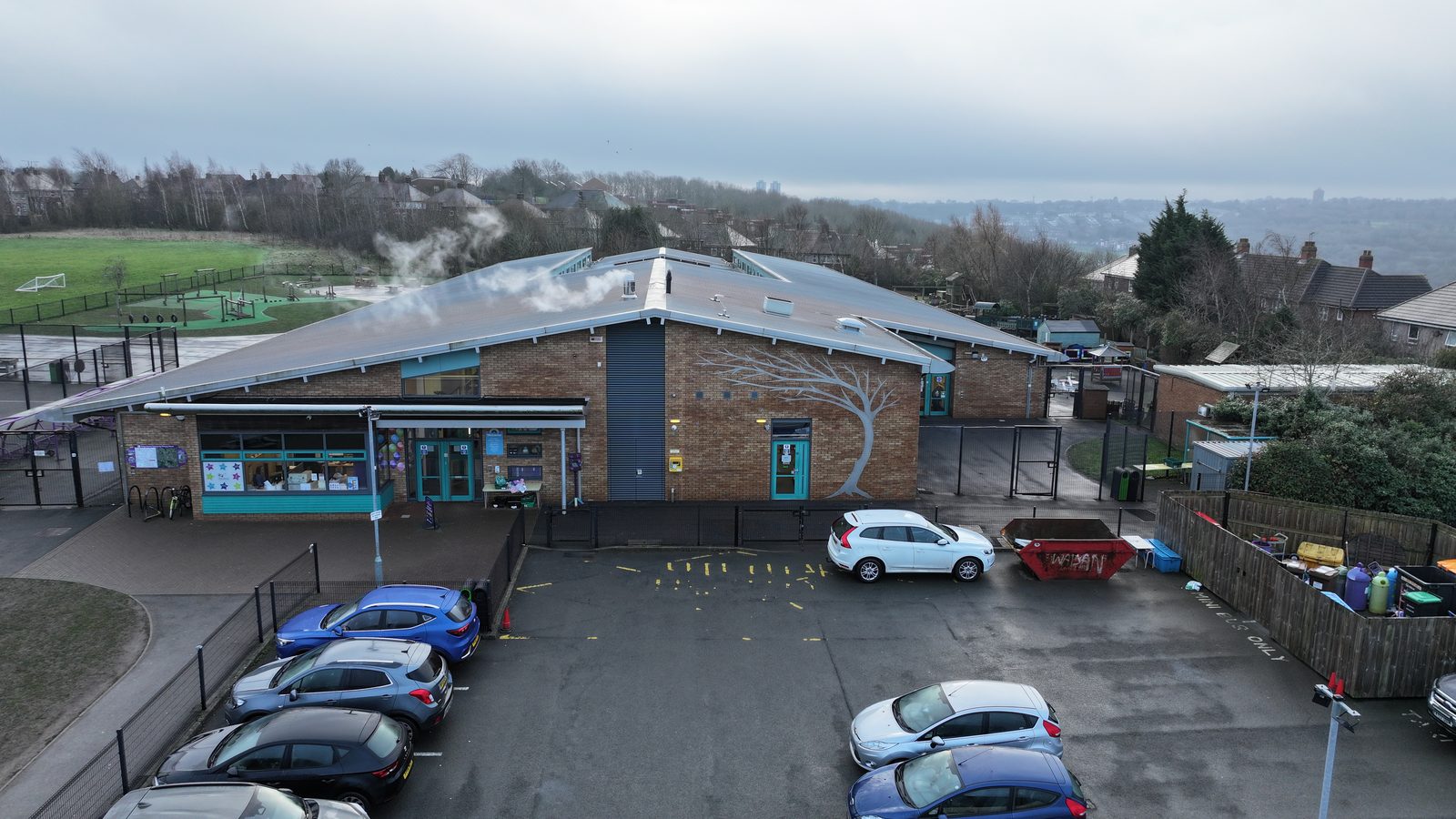
Structural Survey or Desktop Roof Loading Report: Which Do You Need for Solar?
A desktop roof loading report or a full on-site structural survey for your solar project? Here is how to tell which one your roof and your funder actually need.
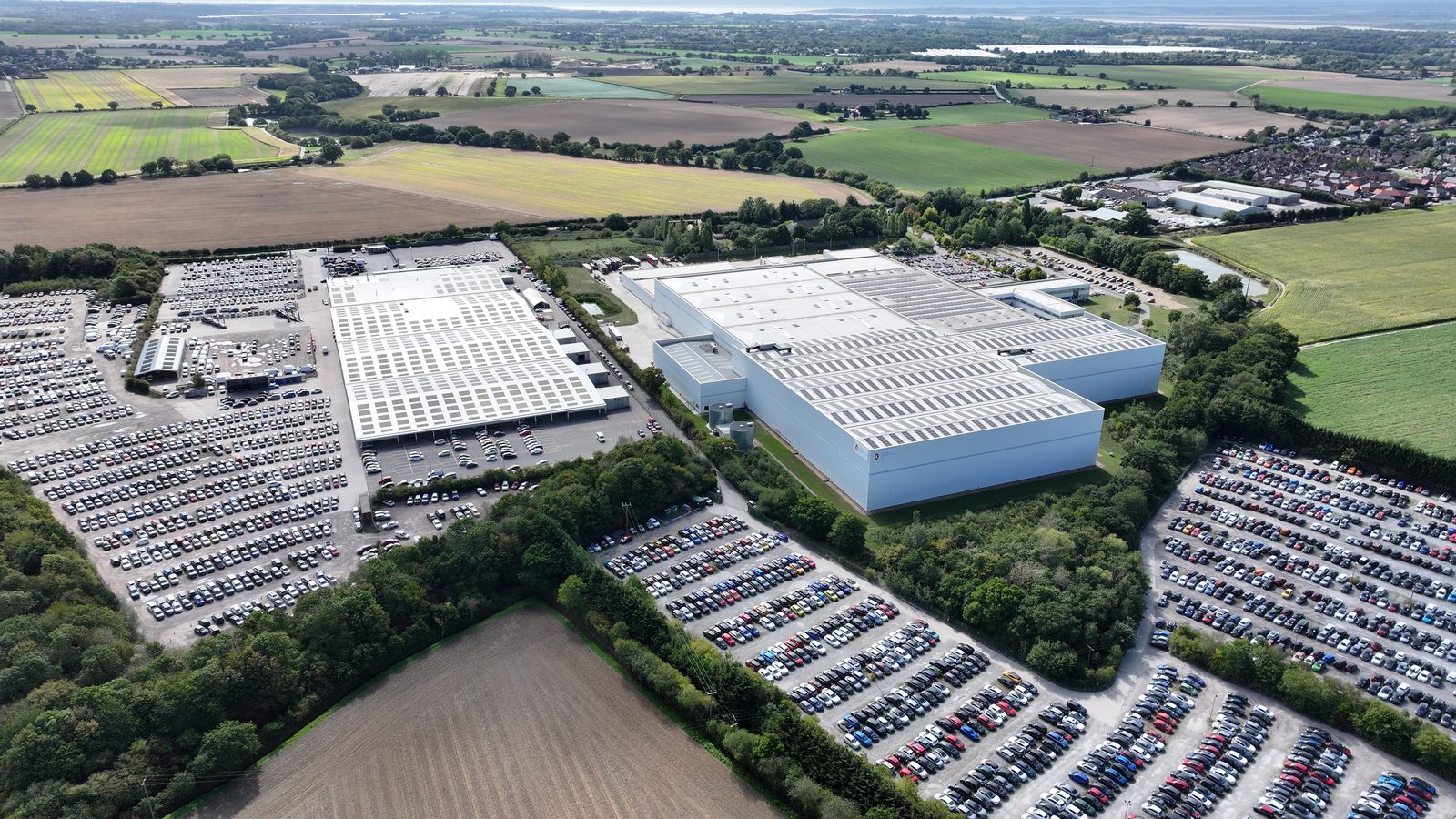
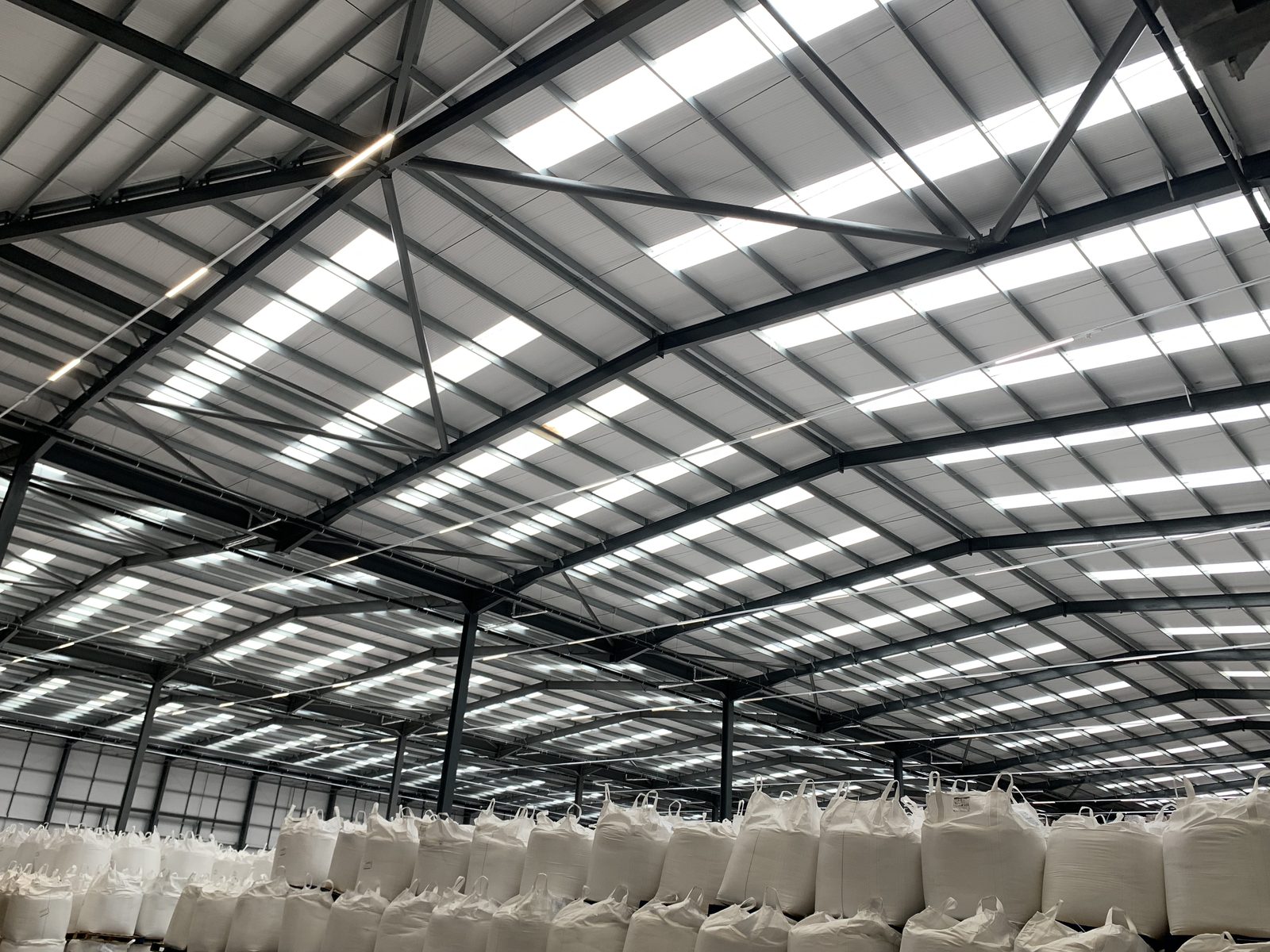
Why Independent Structural Sign-Off Matters Before Rooftop Solar
An installer's design says what they will fit. An independent structural assessment says whether your roof can carry it. Why asset owners should keep the two separate.
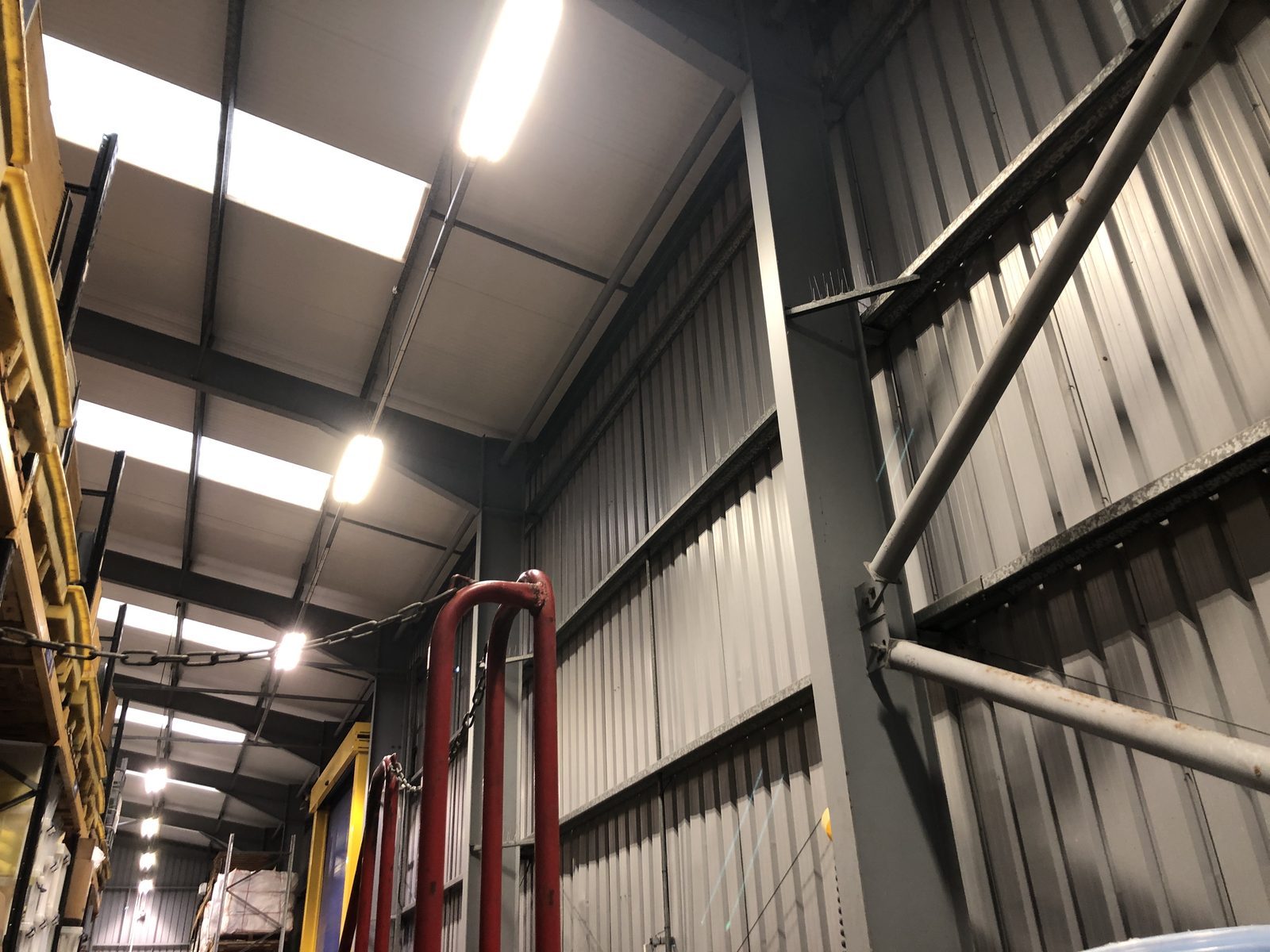
What Lenders and Technical Advisors Check in a Solar Structural Report
Financing or signing off commercial solar? Here are the things a competent Technical Advisor looks for first in a structural report, and what gets a report sent back.
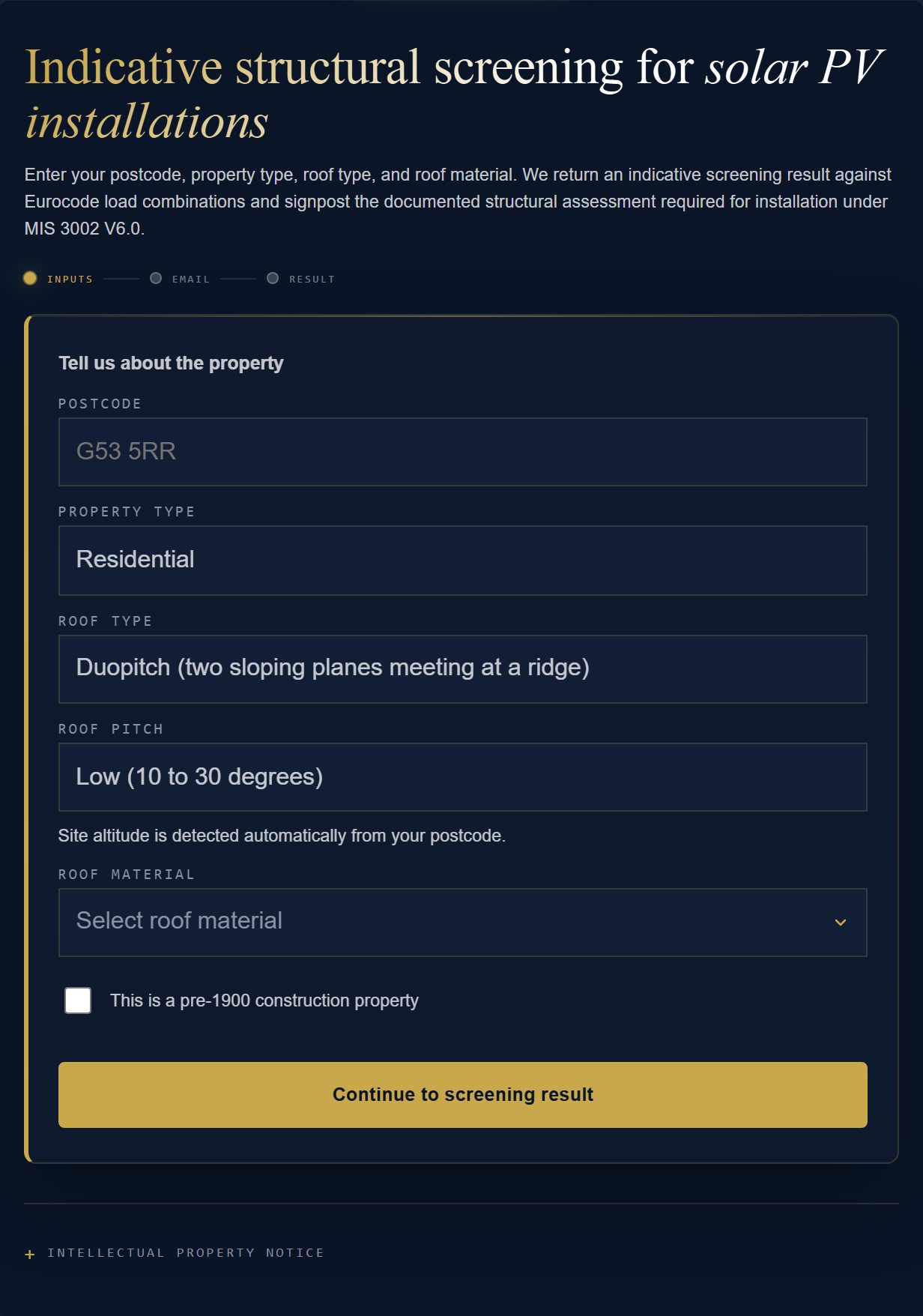
The Free 60-Second Solar Roof Pre-Check: How It Works
Check whether your roof is a candidate for solar in under a minute. How our free structural pre-check works, what the result means, and where it stops.

How Much Does a Drone Roof Survey Cost? UK 2026 Guide
Drone roof survey pricing is shaped by roof count, location, and whether structural calculations are bundled into the same instruction. This 2026 guide explains what drives the price and how to scope a quote.
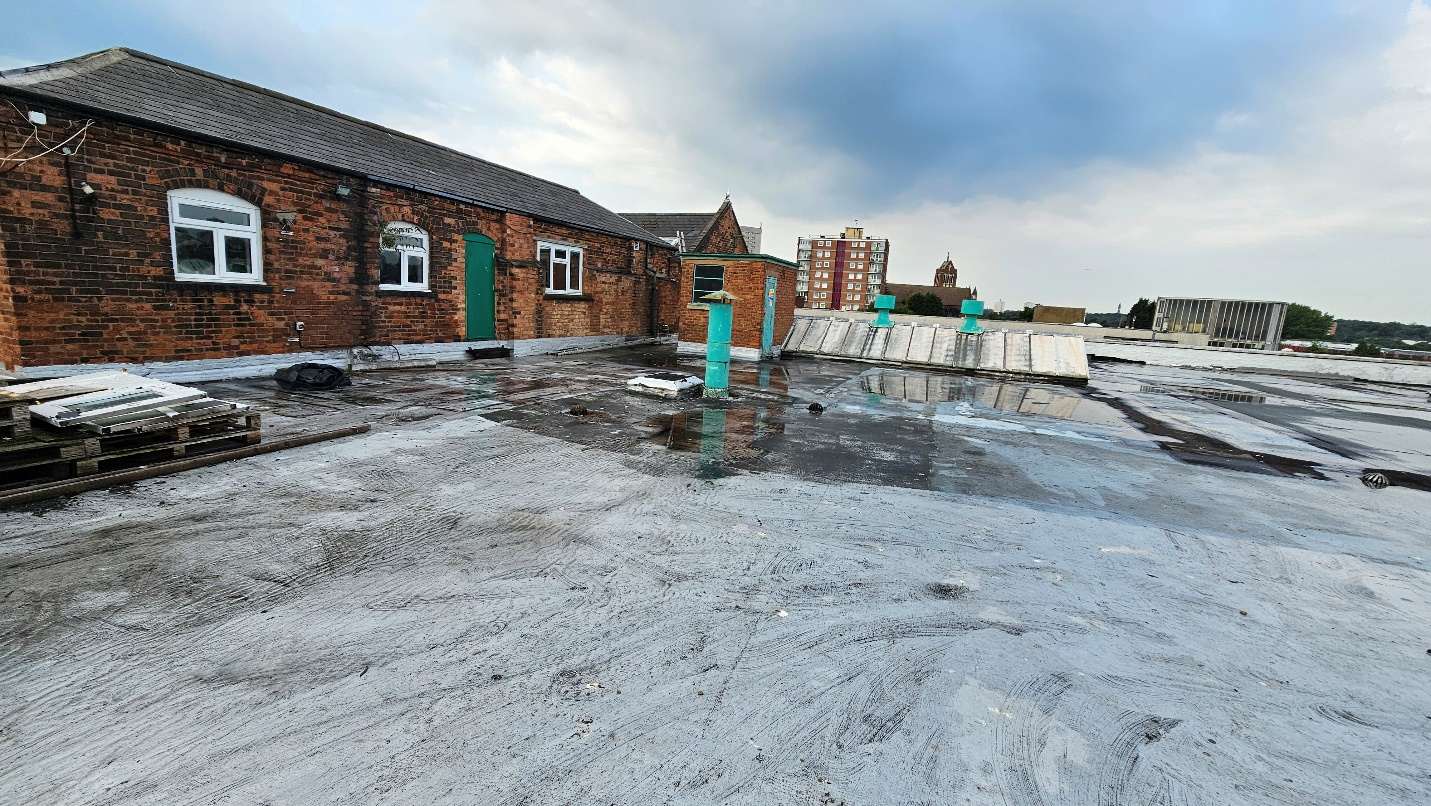
How Much Does a Roof Survey Cost? UK 2026 Pricing Guide
Roof survey pricing depends on which survey you commission. This 2026 guide compares desktop, drone and on-site structural surveys for UK commercial property, covering cost drivers, deliverables and when each is the right product.
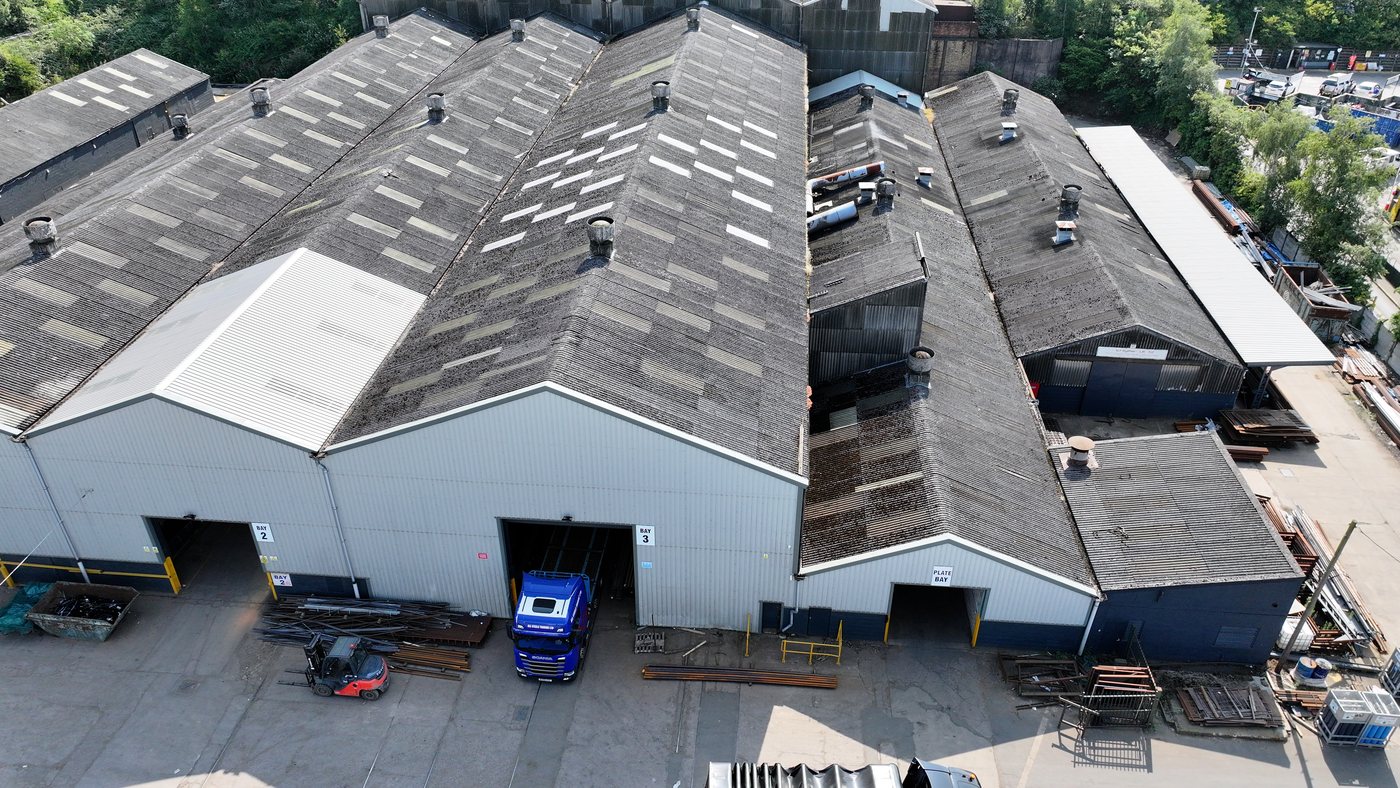
How Much Does a Roof Inspection Cost UK? 2026 Commercial Pricing Guide
Commercial roof inspection pricing in the UK depends on whether the inspection is drone-led, walkover-based, or combined with structural calculations. This 2026 guide explains the cost drivers and the right product for each use case.
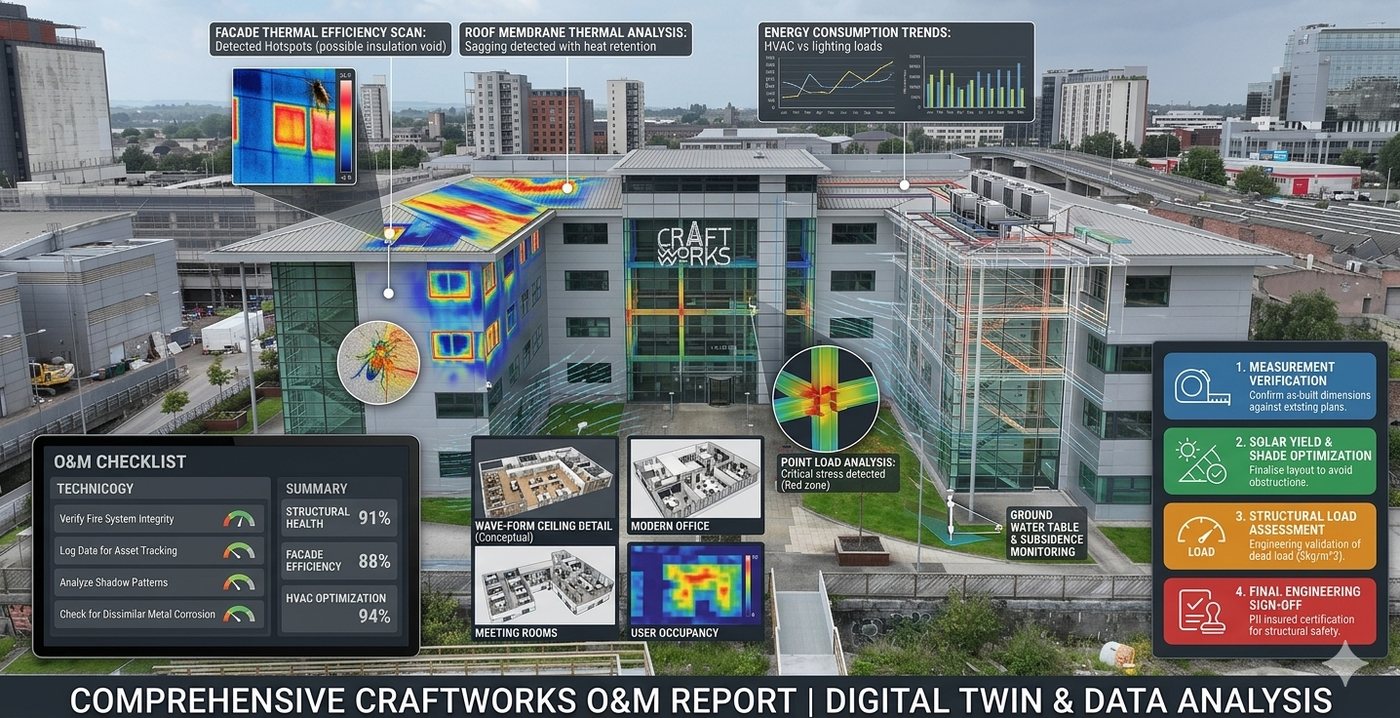
Solar Panel Inspection: When You Need One and What It Covers
Solar panel inspection covers more than panel condition. This guide explains what an engineer-reviewed inspection actually delivers, when periodic inspection is required, and what to expect from the report.
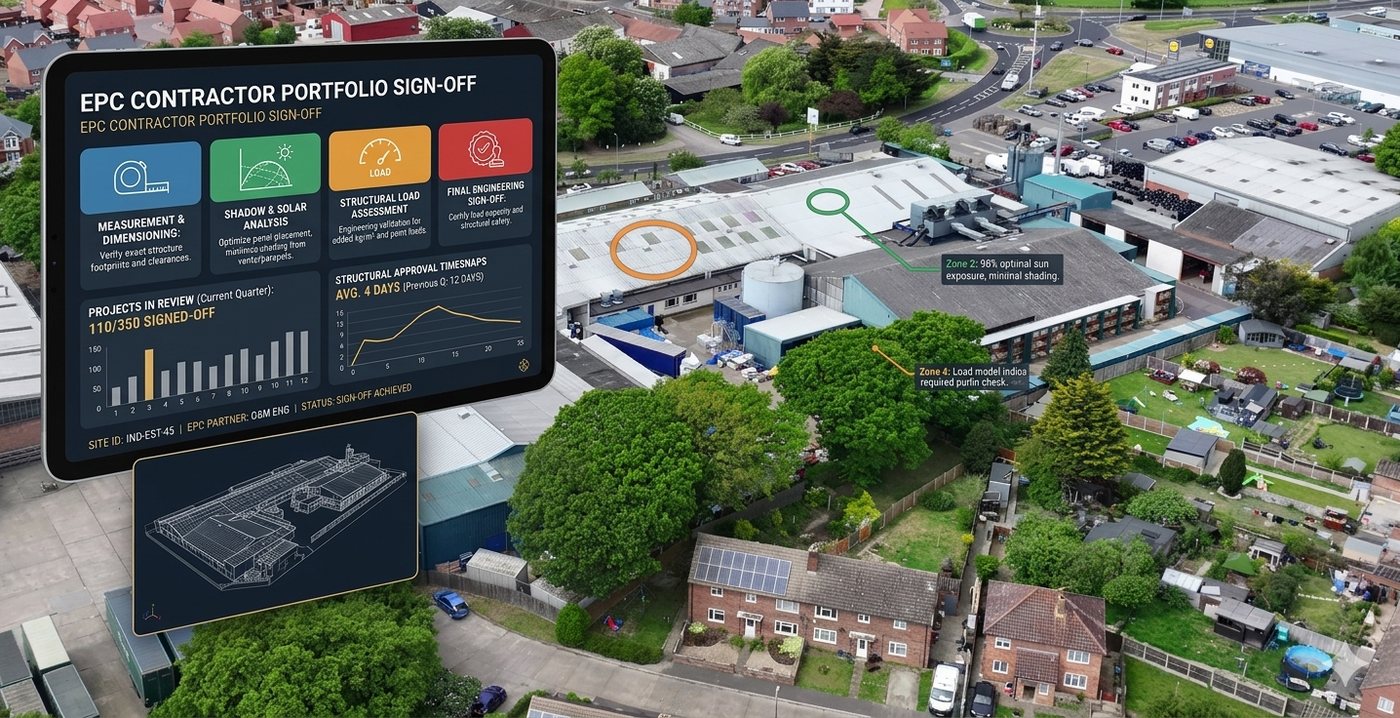
Do I Need a Structural Survey for Solar Panels? UK Buyer's Guide
For UK commercial solar PV the answer is yes in almost every case. This guide explains the regulatory triggers under MIS 3002 V6.0 and Building Regulations Approved Document A, plus what counts as a compliant structural assessment.
Is a Structural Engineer Required for Solar Panels UK? MIS 3002 V6.0 Explained
MIS 3002 V6.0 names seven roof conditions that mandate a qualified structural engineer. This article quotes the clauses verbatim and explains what they mean for UK commercial PV in 2026.
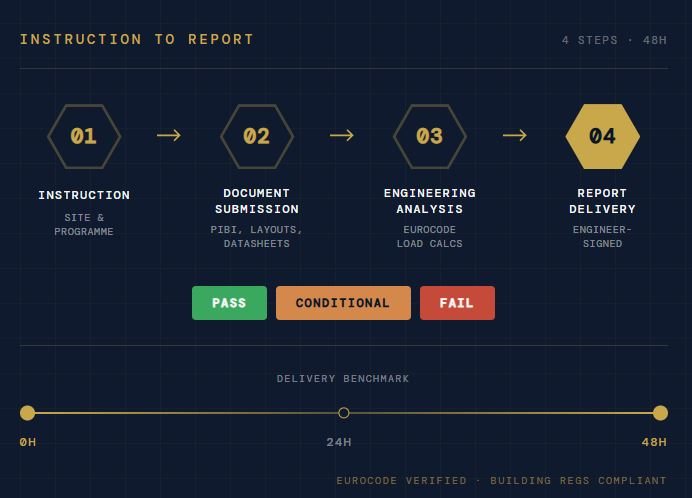
How Long Does a Structural Survey Take? UK Engineer's Answer for Commercial Solar PV
From instruction to signed report, a desktop structural roof loading report delivers in 48 hours. On-site structural surveys deliver in 48 hours from the site visit, with a 24-hour mobilisation target. This article explains what drives the timeline.
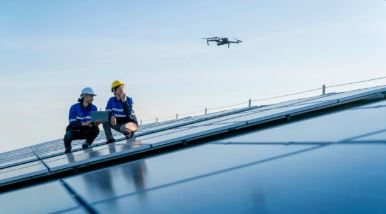
Drone Roof Survey vs Walkover Inspection: Which to Use for UK Commercial Property
Drone roof surveys have largely displaced walkover inspections for UK commercial property. This guide compares the two methodologies on cost, deliverable, safety, speed and accuracy.
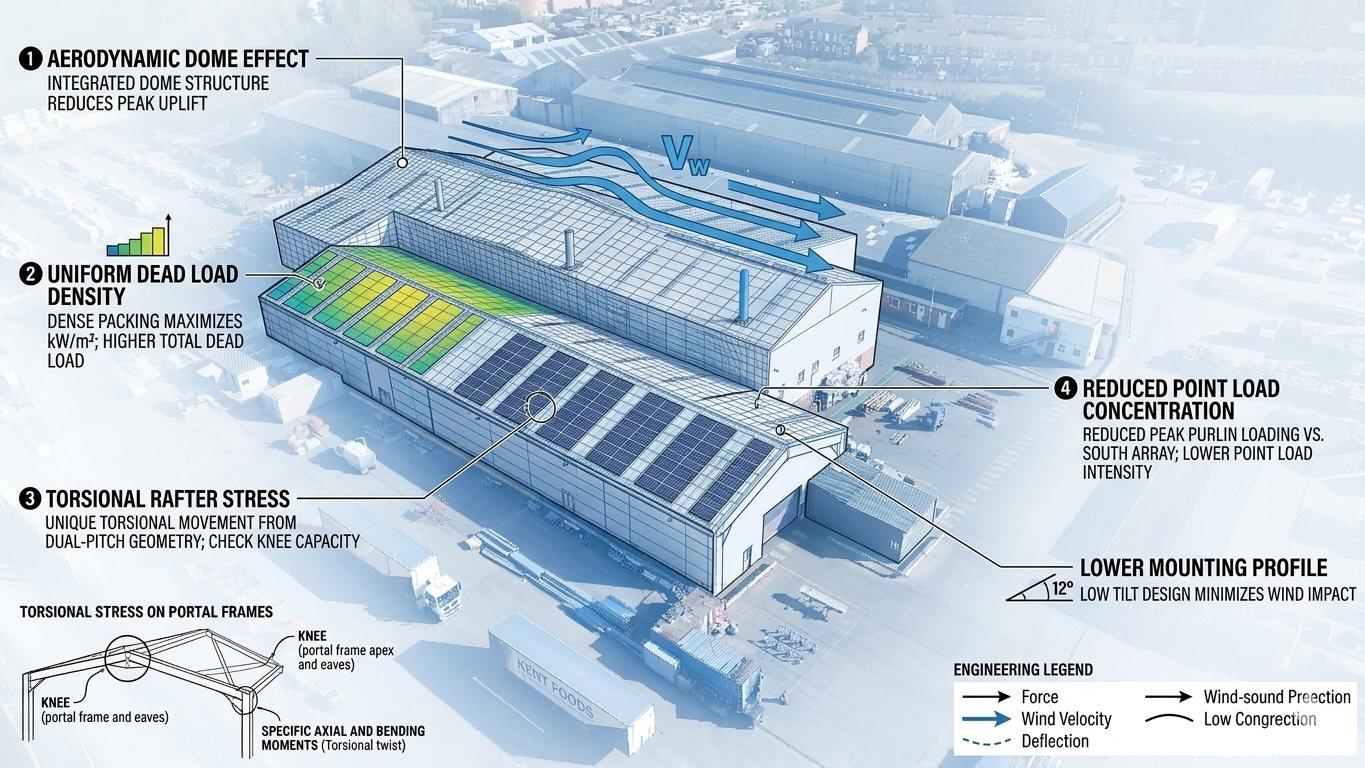
What Does a Structural Engineer Check on a Solar Roof? Step-by-Step Inspection Guide
A pre-installation structural inspection covers six engineering domains, from primary frame integrity to fixing pull-out capacity. This guide walks through each in the order an experienced engineer would address them on a UK commercial roof.

How to Choose a Structural Engineer for Commercial Solar PV: A B2B Decision Guide
Procuring a structural engineer for a commercial solar PV programme is a recurring decision for asset managers, EPC contractors and PPA developers. This guide covers the seven criteria that separate specialist from generalist firms.

Desktop Structural Report vs On-Site Structural Survey: Which Does Your Solar Project Need?
Two distinct engineering products. One is faster and cheaper; the other is required when desktop data is insufficient. This guide explains the decision criteria so you commission the right product first time.
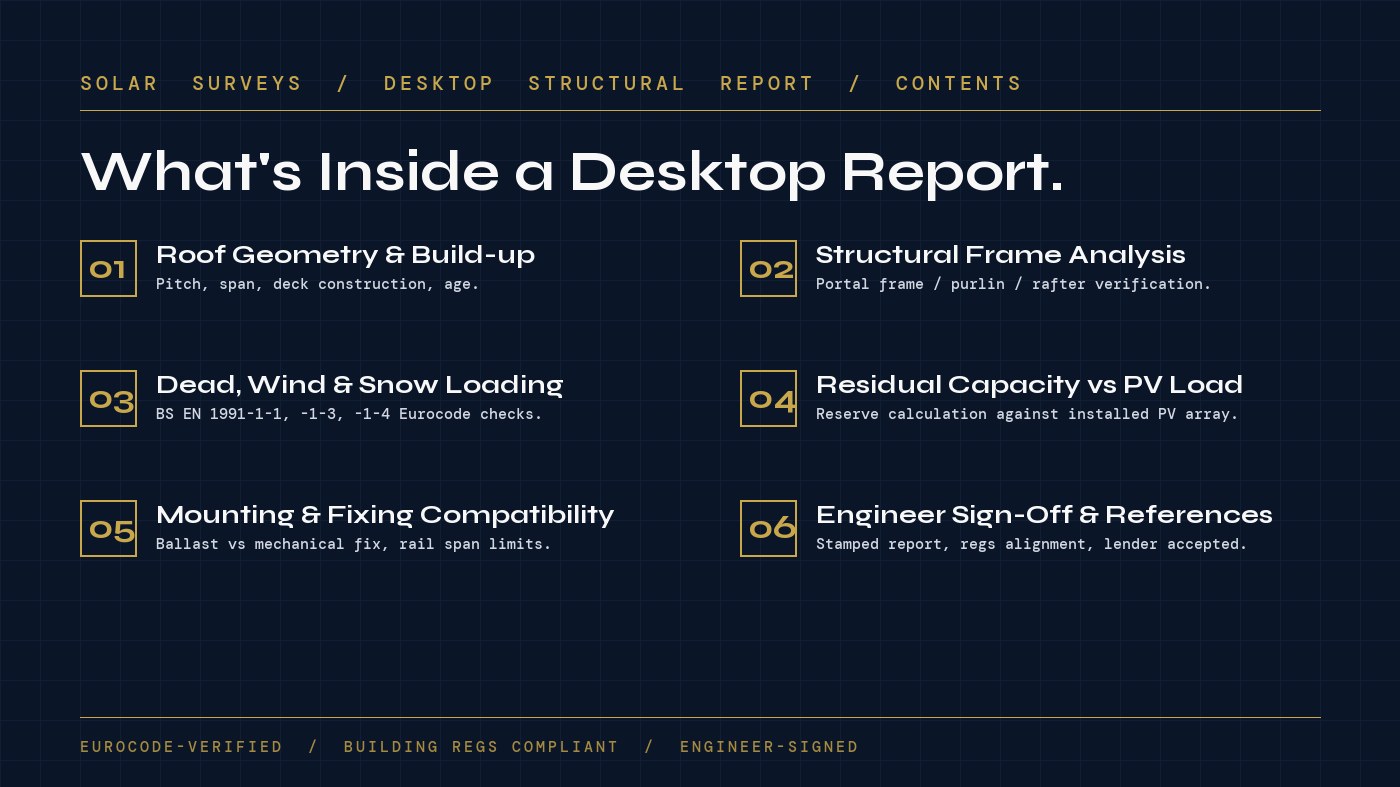
What Is Included in a Desktop Structural Report: The Engineer's Contents List
A desktop structural report is a defined engineering deliverable with a specific set of outputs. This article lists every element a compliant report must contain and why each section exists.
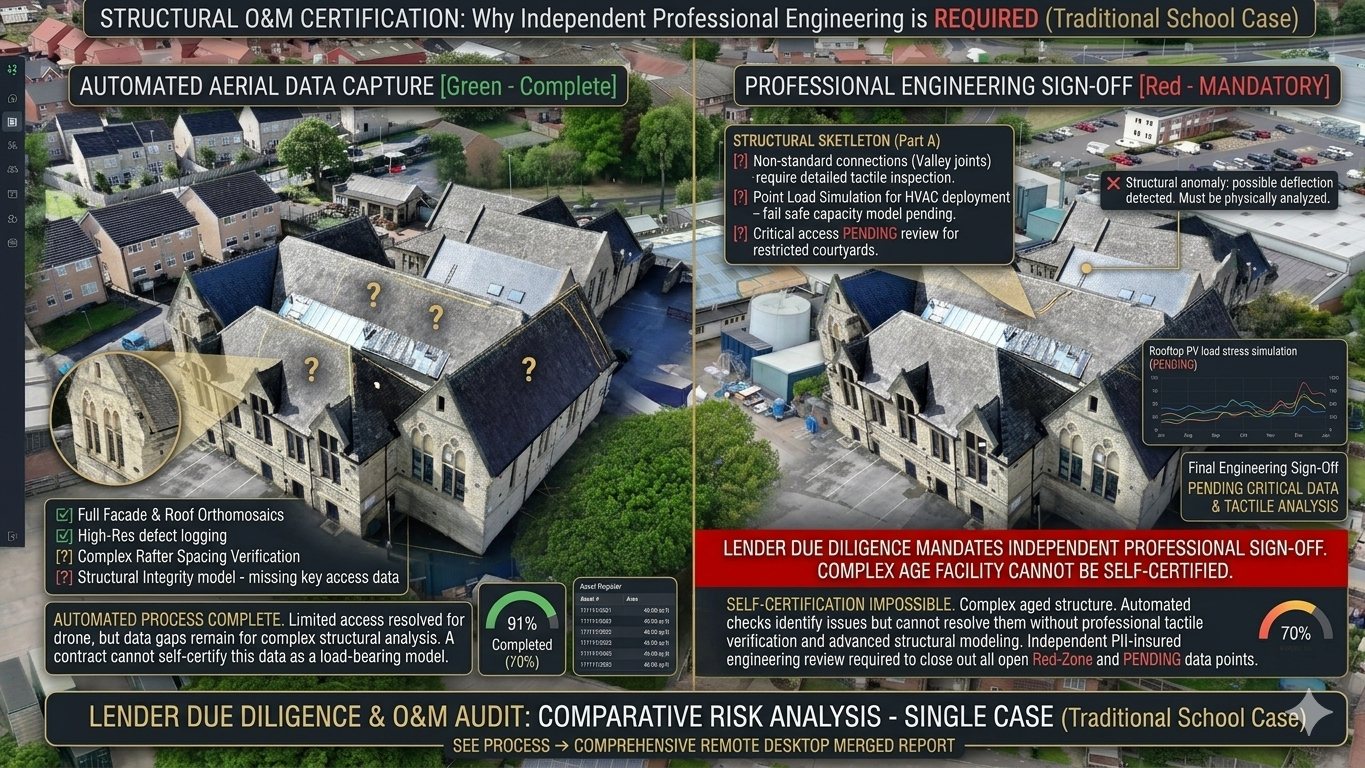
Desktop Structural Reports and MIS 3002 Section 5.9: Does a Remote Report Meet the Compliance Requirement?
MCS MIS 3002 V6.0 Section 5.9 requires written confirmation from a qualified structural engineer before installation proceeds. This article confirms whether a desktop report satisfies that requirement.

Desktop Structural Reports for EPC Contractors: Integrating Fast Structural Sign-Off into Your Pre-Construction Programme
EPC contractors face the same structural reporting bottleneck on every project. This article explains how to integrate desktop structural reports so sign-off stops being the item that delays everything else.
What Data Is Required for a Desktop Structural Report: The Engineer's Checklist
The quality of a desktop structural assessment depends entirely on the data available. This checklist covers what to gather before instruction and explains what engineers do when drawings are not available.
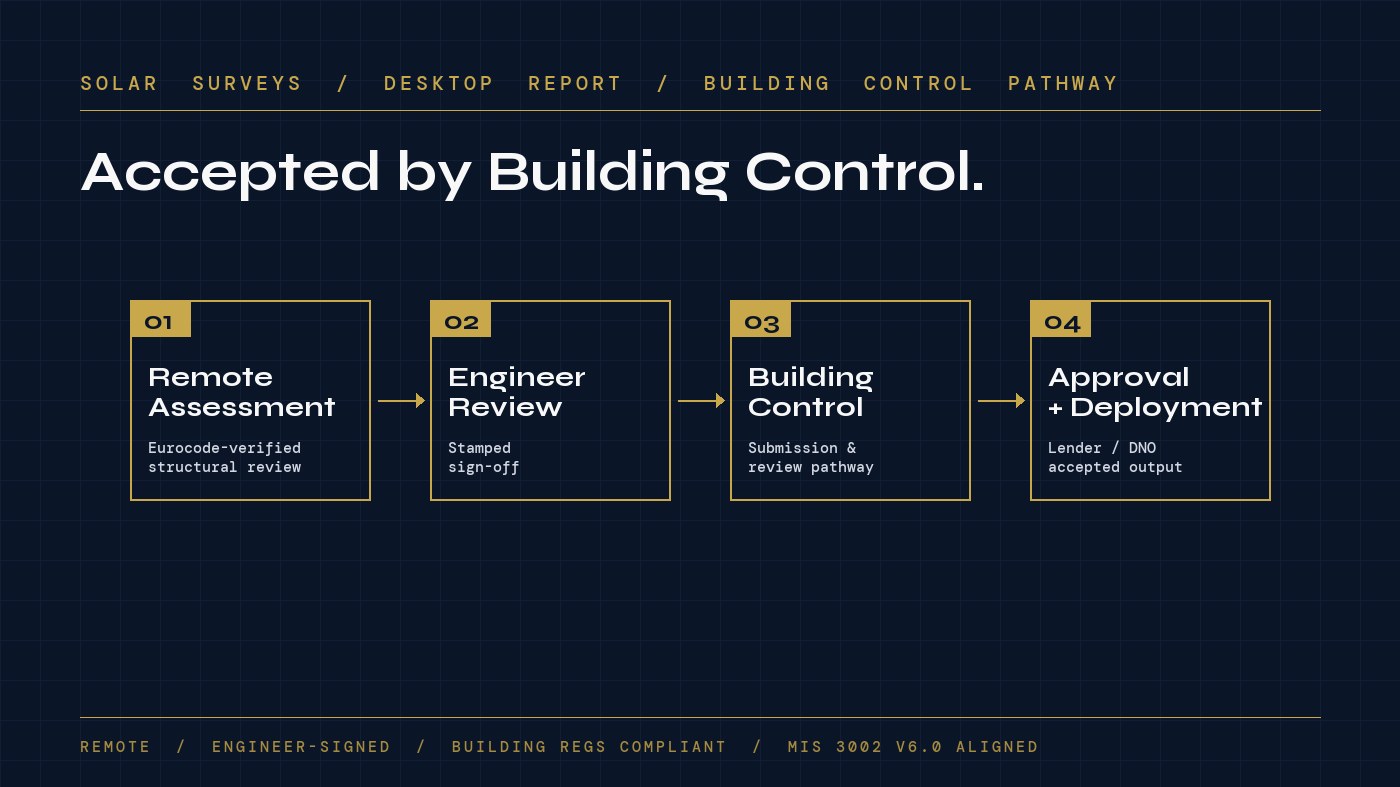
Desktop Structural Reports and Building Control: Are Remote Assessments Accepted for Commercial Solar PV?
Building control officers accept desktop structural reports for commercial solar PV in the majority of cases. This article explains when they do, when they do not, and what the report must contain.
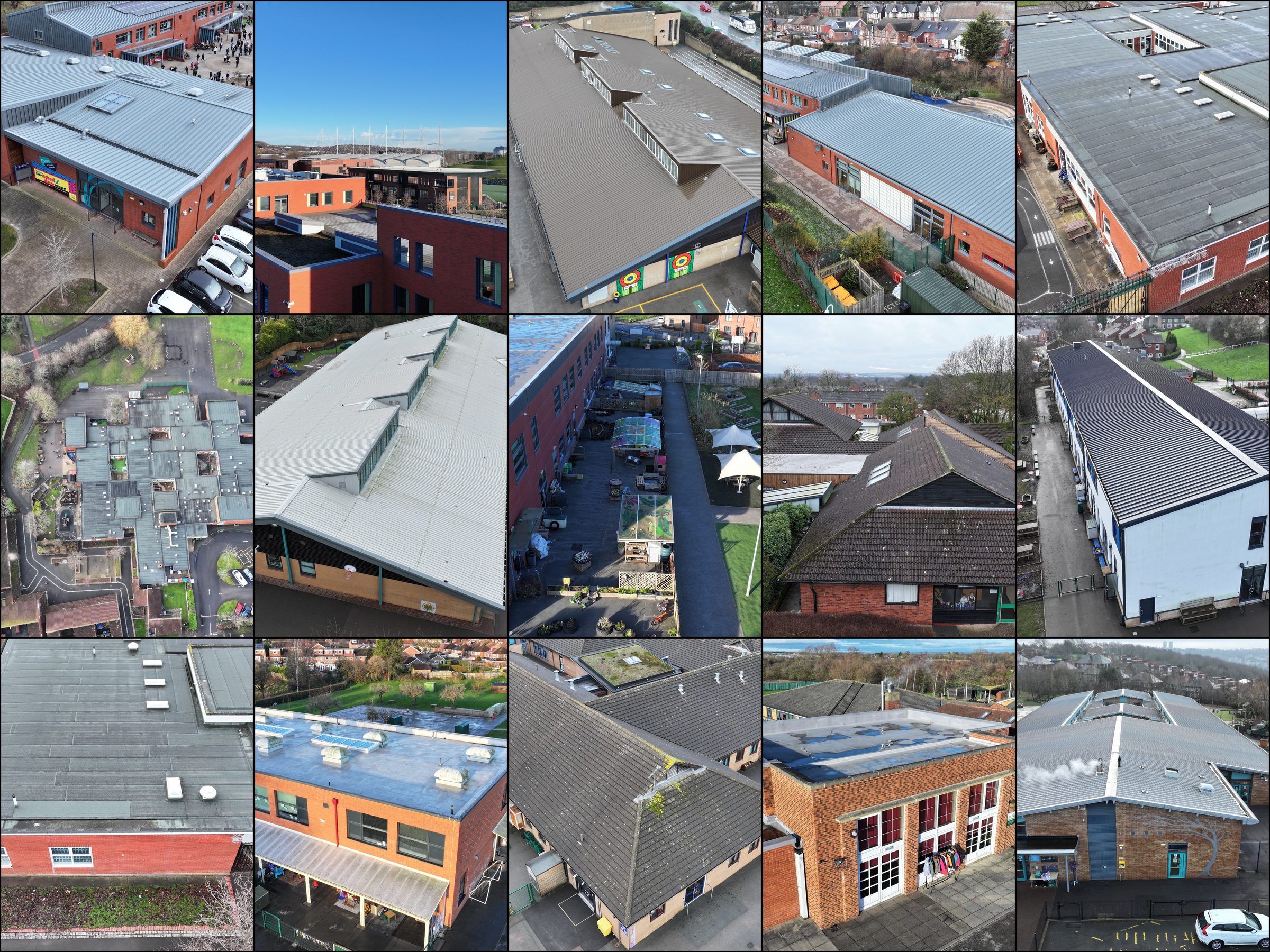
Desktop Structural Reports at Portfolio Scale: How to Clear 50, 100 or 200 Sites Without Creating a Bottleneck
Portfolio-scale solar programmes stall when structural reports are commissioned site by site. This article covers how to run a bulk desktop assessment programme so structural clearance runs in parallel with your pipeline.
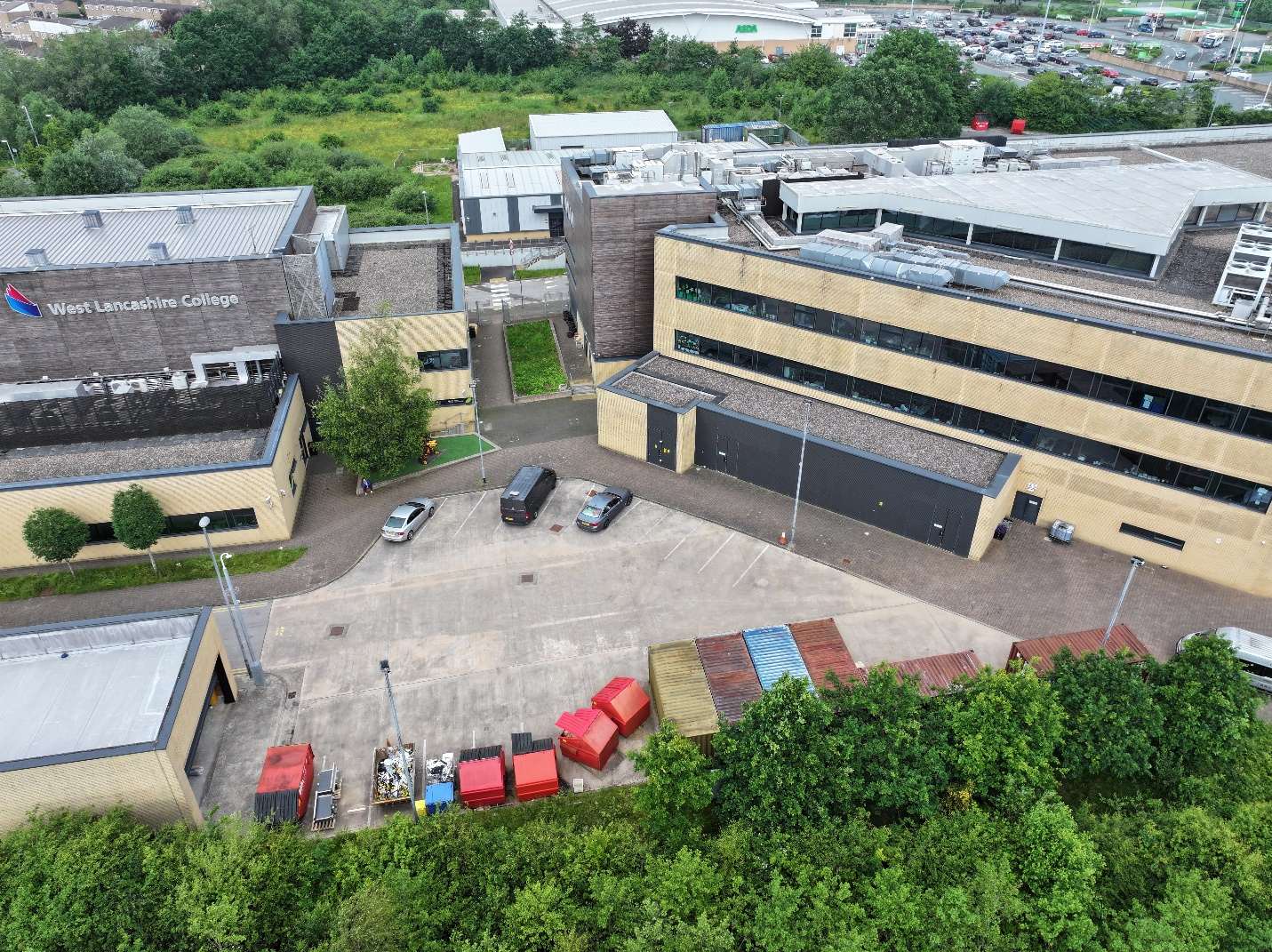
How Accurate Is a Desktop Structural Report: Assumptions, Confidence Levels, and the Limits of Remote Assessment
Desktop structural reports are engineering assessments, not on-site inspections. This article explains what assumptions engineers make, how confidence varies by building type, and when a desktop assessment is as definitive as a site survey.
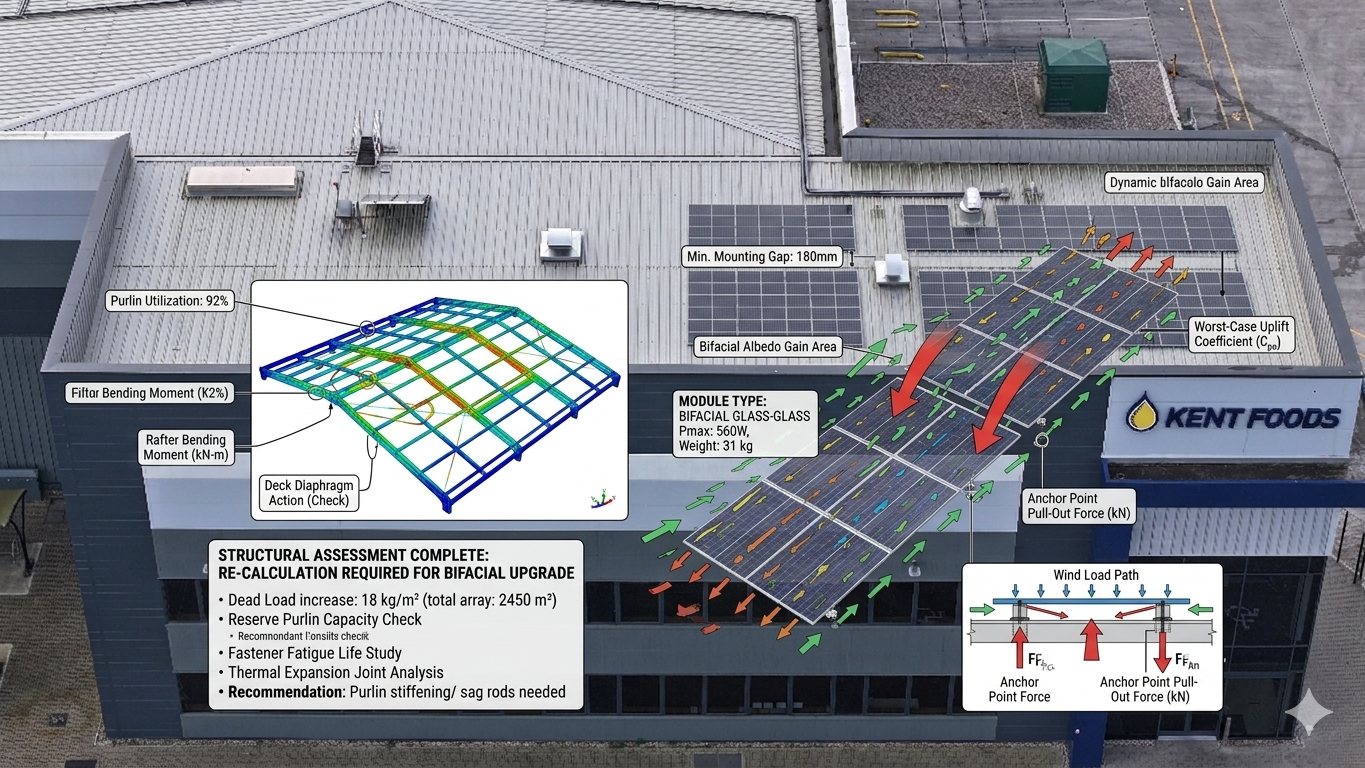
Desktop Structural Reports for Pitched Roofs vs Flat Roofs: Key Differences in Engineering Assessment
Pitched and flat commercial roofs present different structural challenges for solar PV loading. The desktop assessment methodology differs significantly between the two. This article explains what changes.
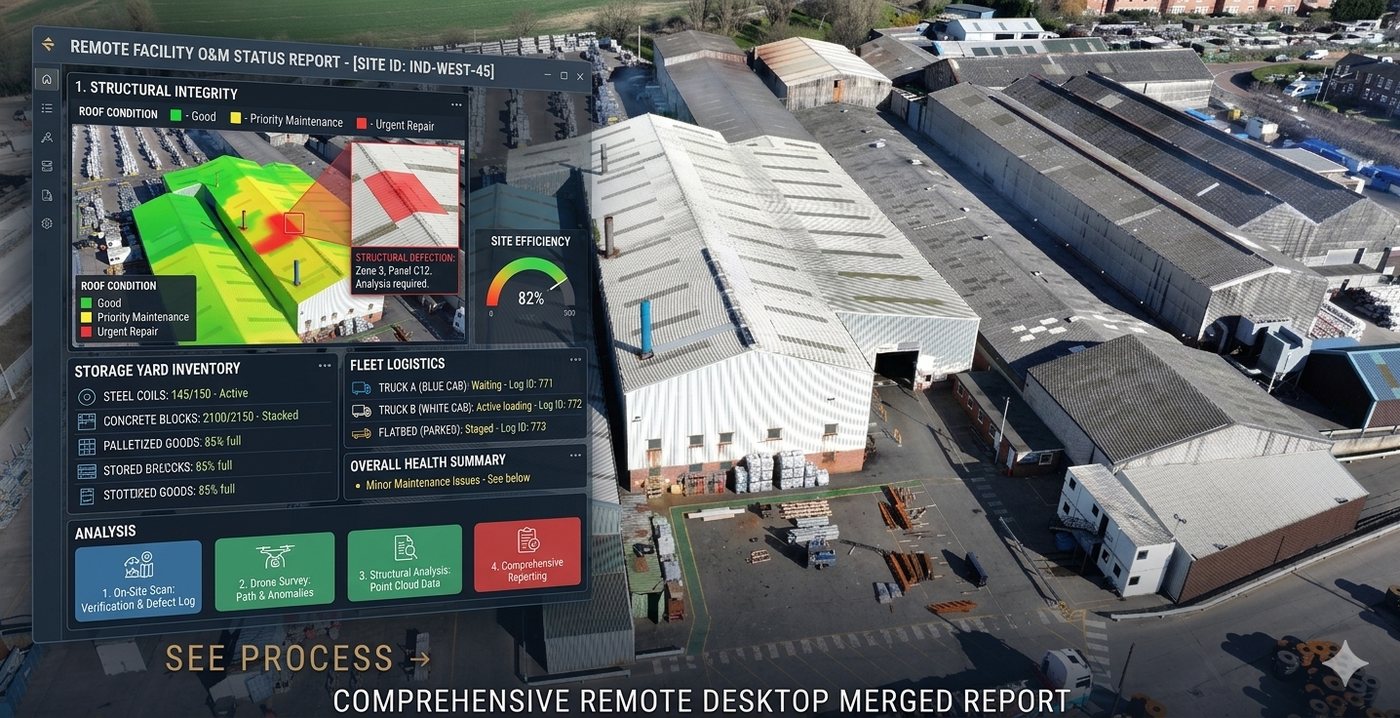
Desktop Structural Reports: Are They Accepted by Insurers, Lenders, and Technical Advisers?
Insurance underwriters, project finance lenders, and technical advisers have specific requirements for structural reports. This article confirms when a desktop report satisfies those requirements without an on-site survey.
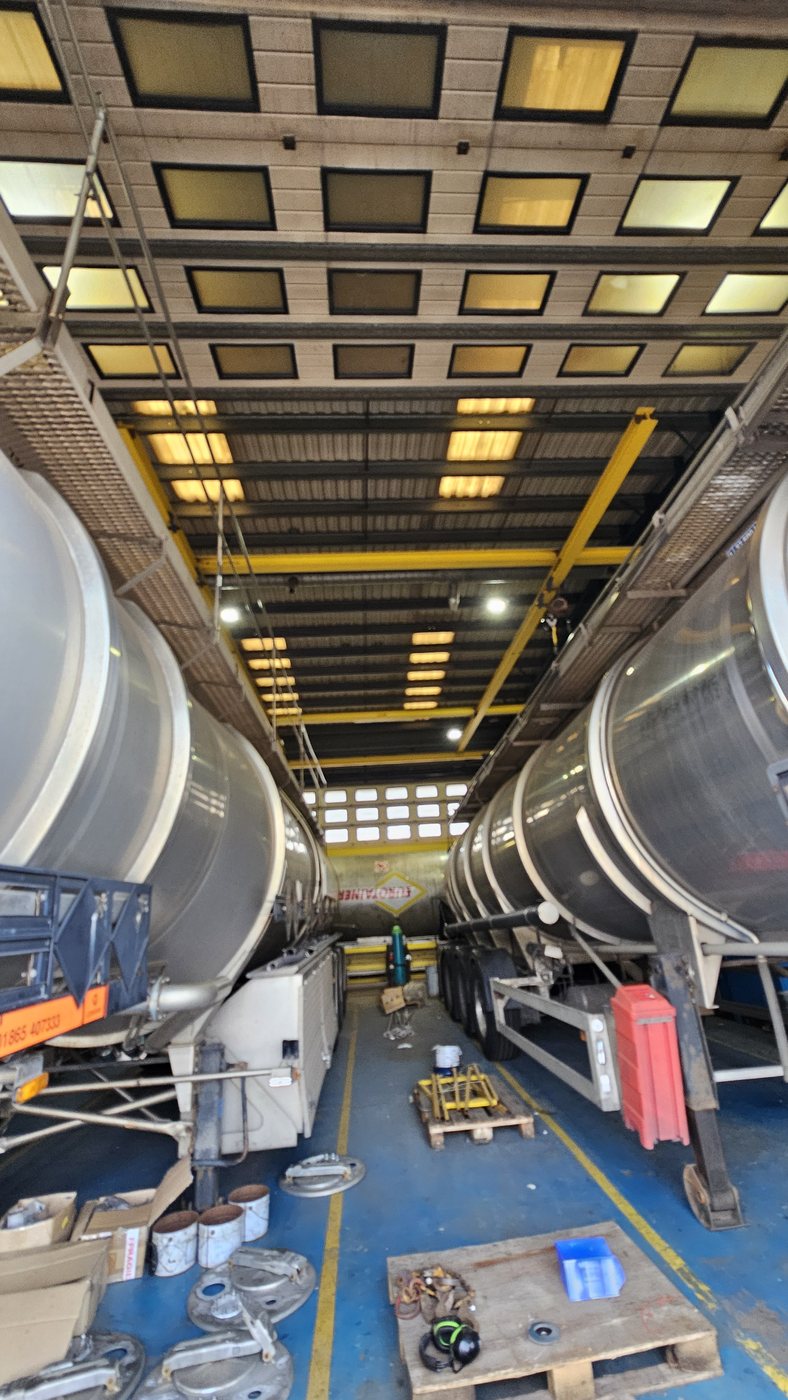
On-Site Structural Survey for Solar PV: The Complete Engineering Guide
An on-site structural survey is the definitive pre-installation engineering assessment for commercial solar PV. This guide covers what happens during the survey, who conducts it, and when it is required.
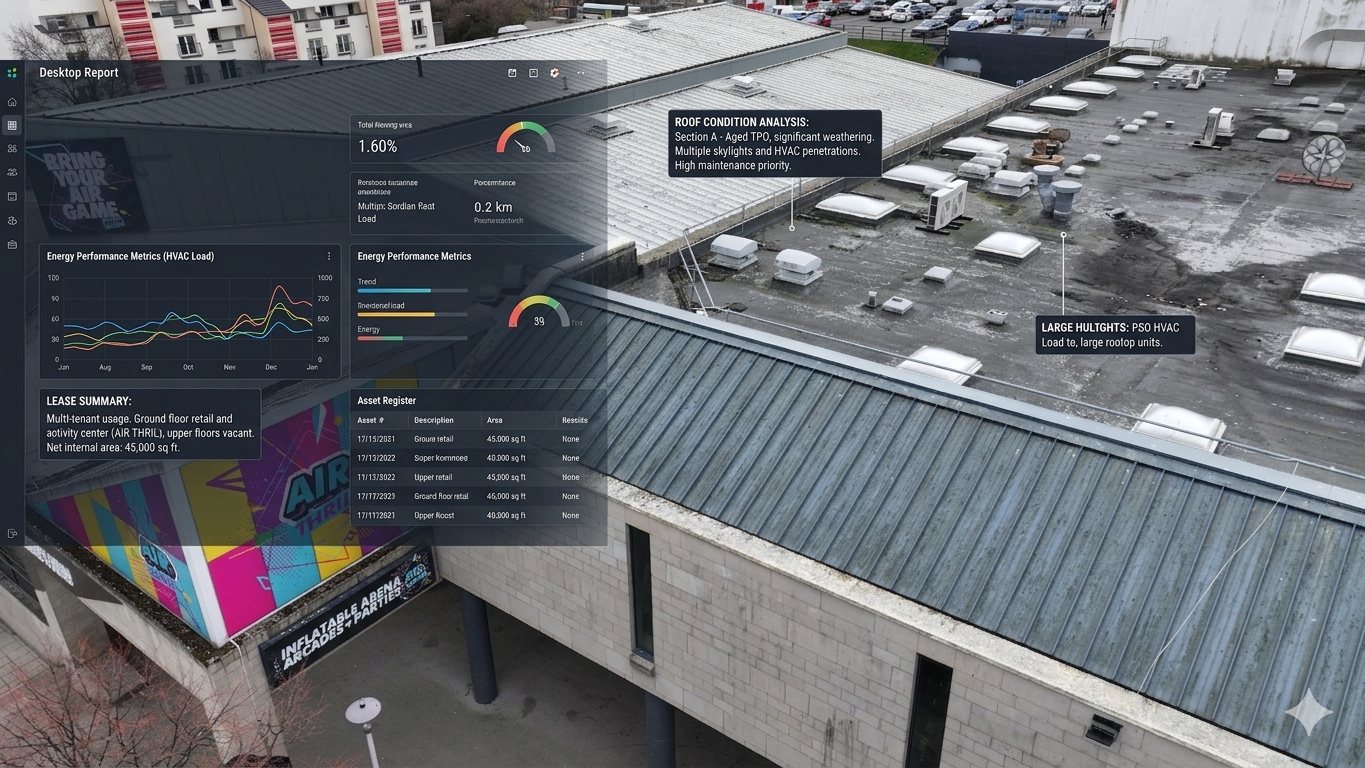
Structural Sign-Off for Solar PV: What It Means, Who Issues It, and Why It Cannot Be Self-Certified
Structural sign-off is the engineer's written confirmation that a building is adequate for the proposed array. This article explains what the sign-off document must contain and why only a chartered structural engineer can issue it.
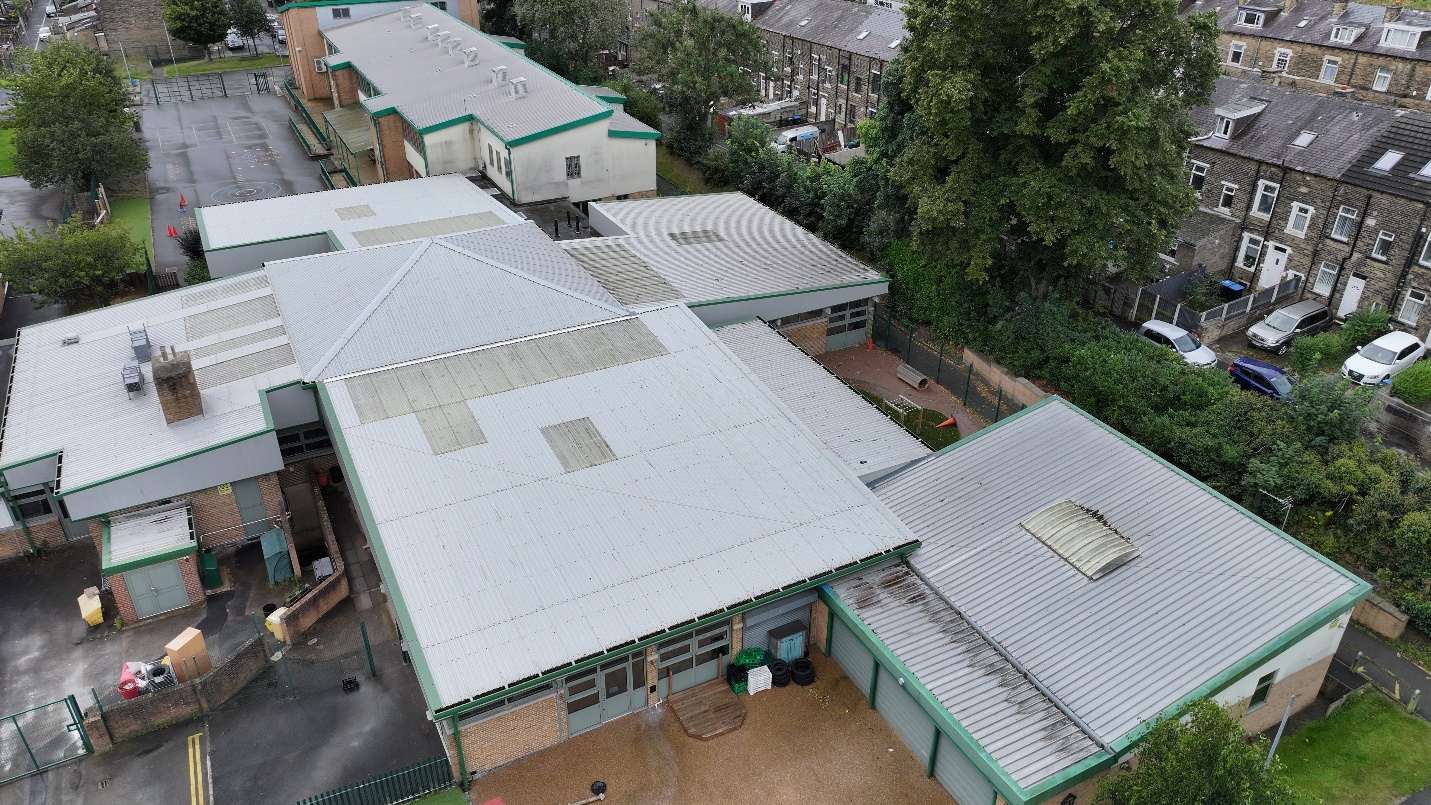
How to Commission a Structural Survey for Solar PV: A Step-by-Step Guide for Project Teams
Commissioning a structural survey is straightforward once you know what to specify, what to provide, and what to expect. This step-by-step guide removes the guesswork.
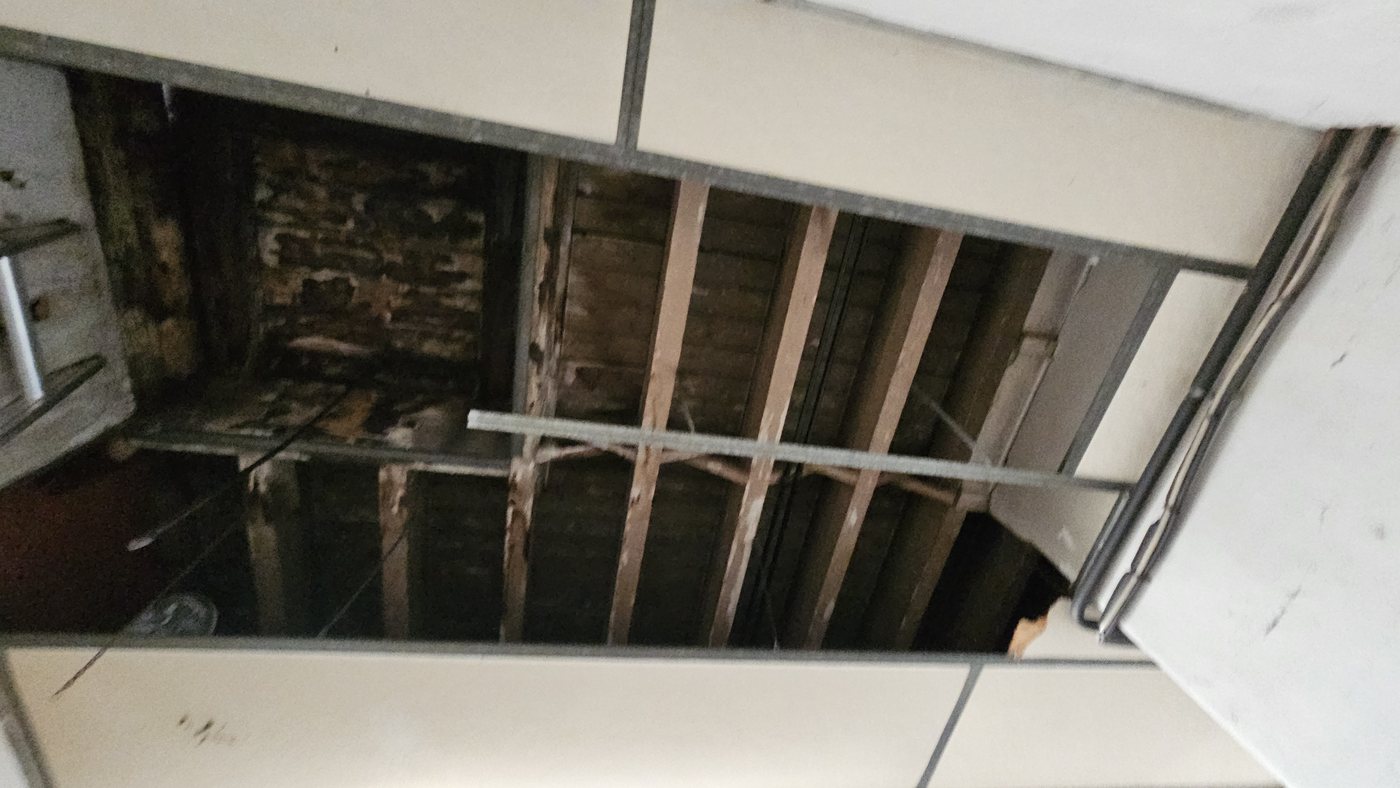
Structural Survey Report for Solar PV: What to Look For and the Red Flags That Signal a Sub-Standard Assessment
Not all structural survey reports are equal. This article explains what a well-produced report contains and the specific red flags that indicate a report is unlikely to satisfy MCS, lenders, or building control.
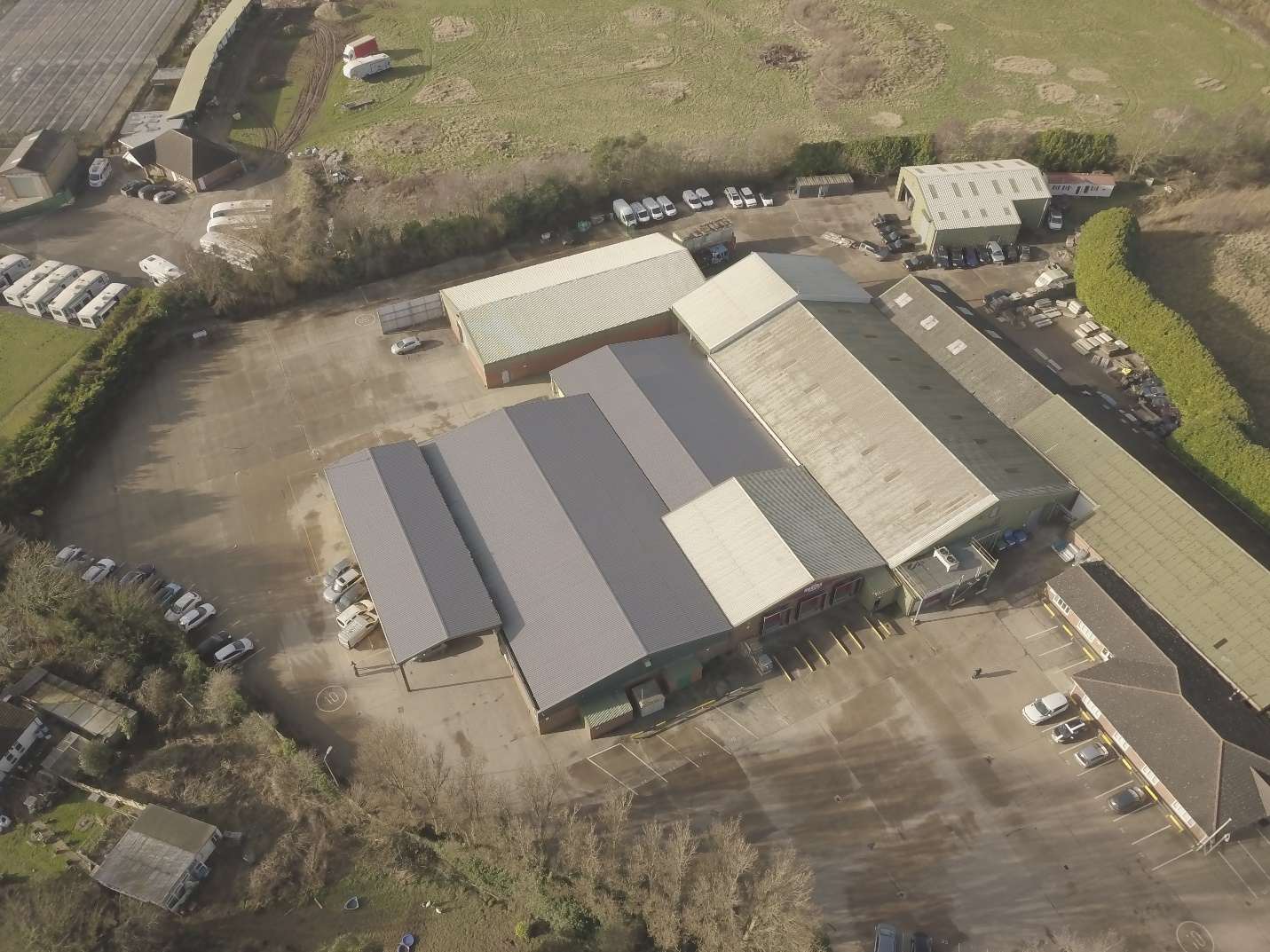
PV Structural Survey: The Complete Buyer's Guide for EPCs, Asset Managers, and Developers
What is a PV structural survey, what should it contain, who should produce it, and how much should it cost? This buyer's guide answers every question project teams ask before commissioning.
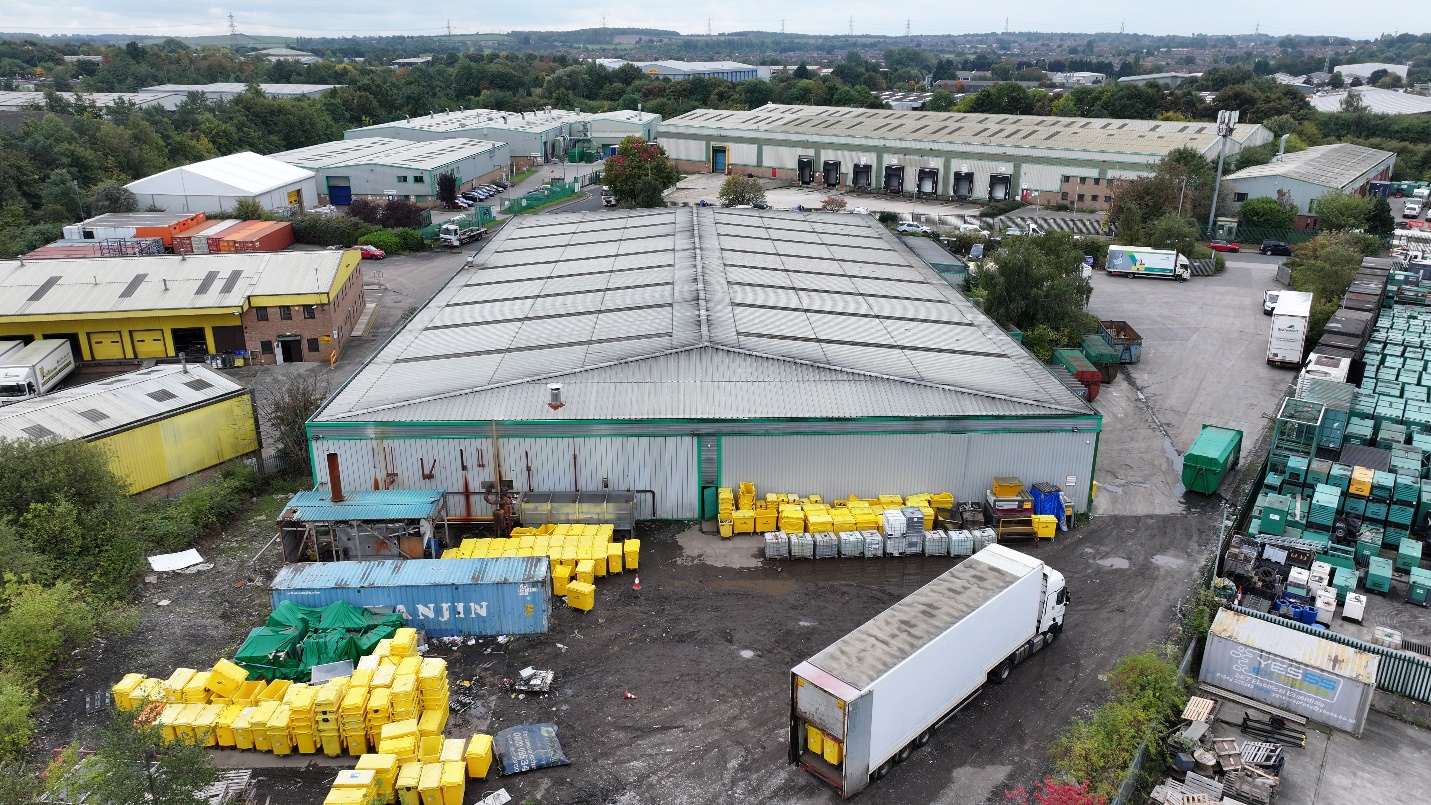
Commercial PV Survey: The Step-by-Step Process from Instruction to Signed Report
Most project teams commissioning a commercial PV survey for the first time do not know what to expect. This article walks through every stage from instruction to signed report so there are no surprises.
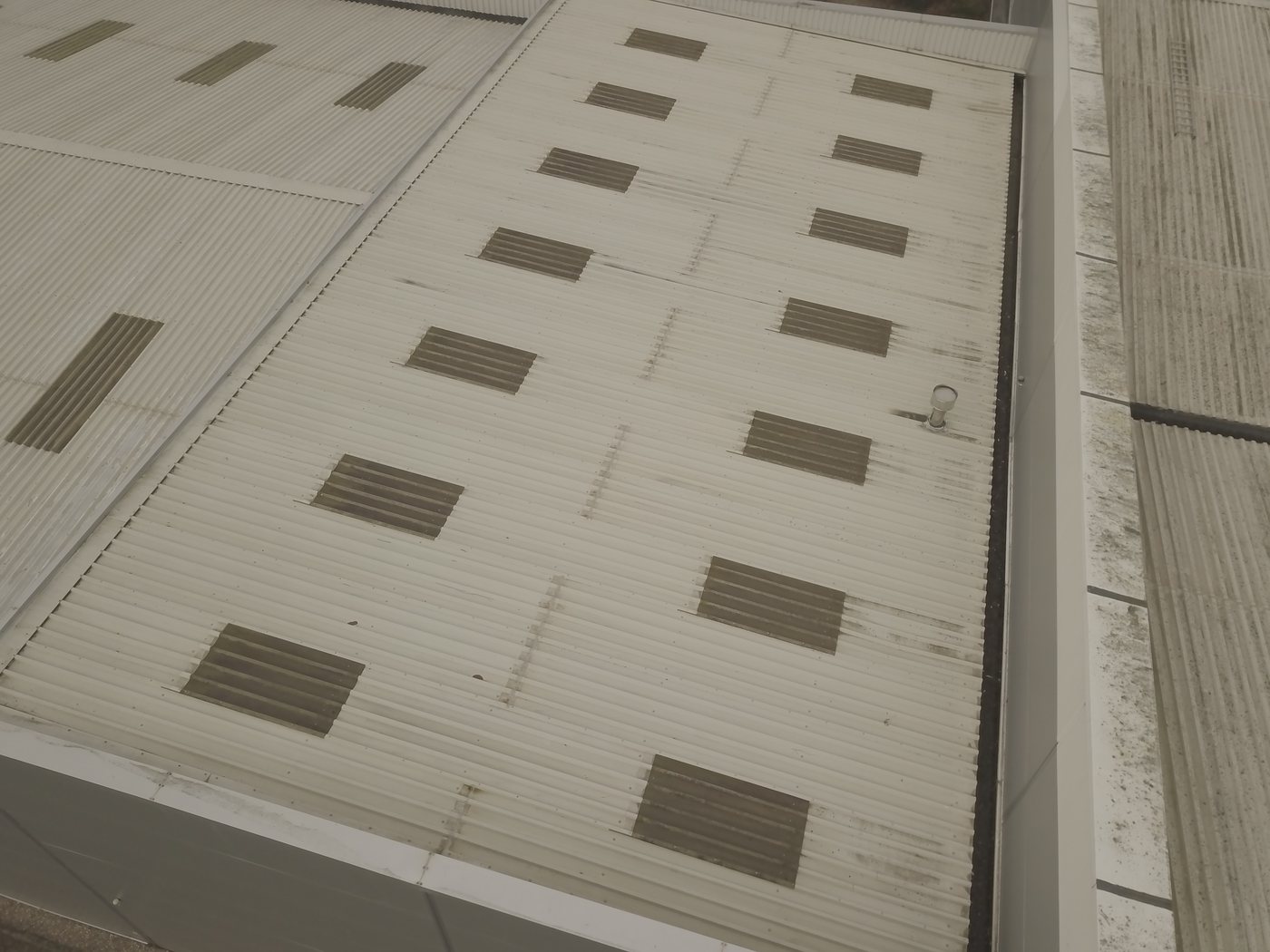
Roof Loading Appraisal for Solar PV: Dead Loads, Wind Uplift, Snow Loading and What Engineers Calculate
A roof loading appraisal determines whether a roof structure can carry the additional load of a solar array. This article explains every calculation involved, which standards apply, and what the outputs mean.
Dead Loads, Wind Uplift, and Snow Loading for Rooftop Solar: The Three Load Cases Every Structural Engineer Verifies
Every rooftop solar PV structural assessment covers three primary load cases. Understanding what each involves and which is typically critical helps project teams interpret structural reports and anticipate constraints.
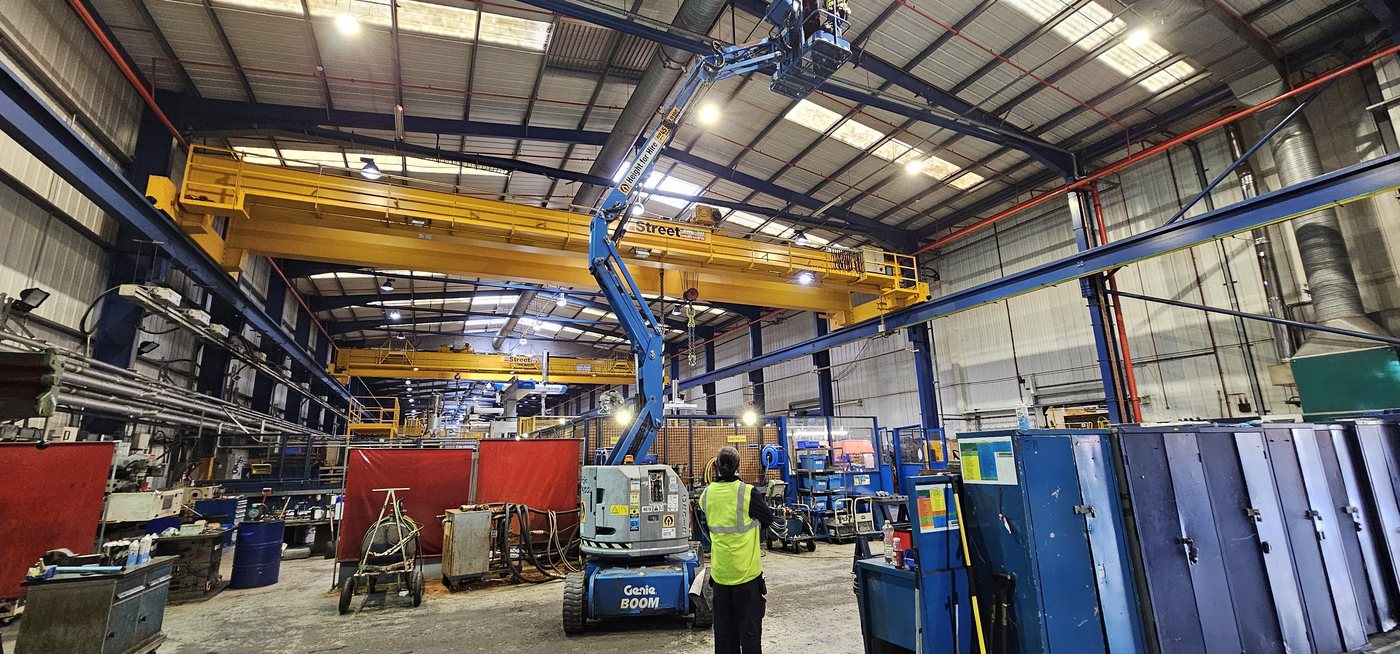
Portal Frame Structural Assessment for Solar PV: What Engineers Check on Steel Frame Commercial Buildings
The majority of UK commercial and industrial rooftop solar installations are on steel portal frame buildings. This article explains the specific structural checks required and why portal frames present both advantages and constraints.
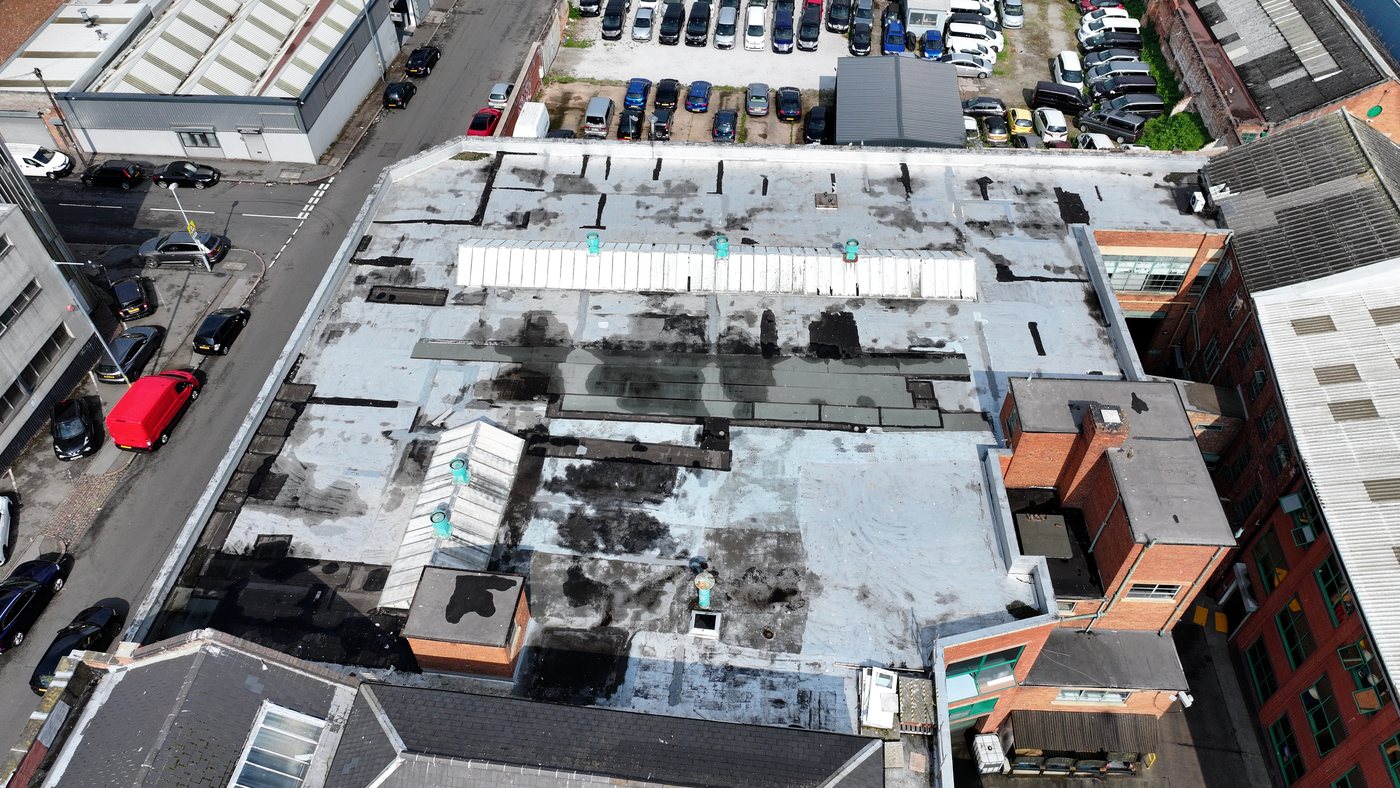
Drone Roof Condition Survey: The Complete Technical Guide for Commercial Solar Pre-Installation
A drone roof condition survey is an engineered audit using sub-centimetre UAV imagery to identify defects that affect solar installation viability. This guide covers the methodology, defect categories, and outputs.
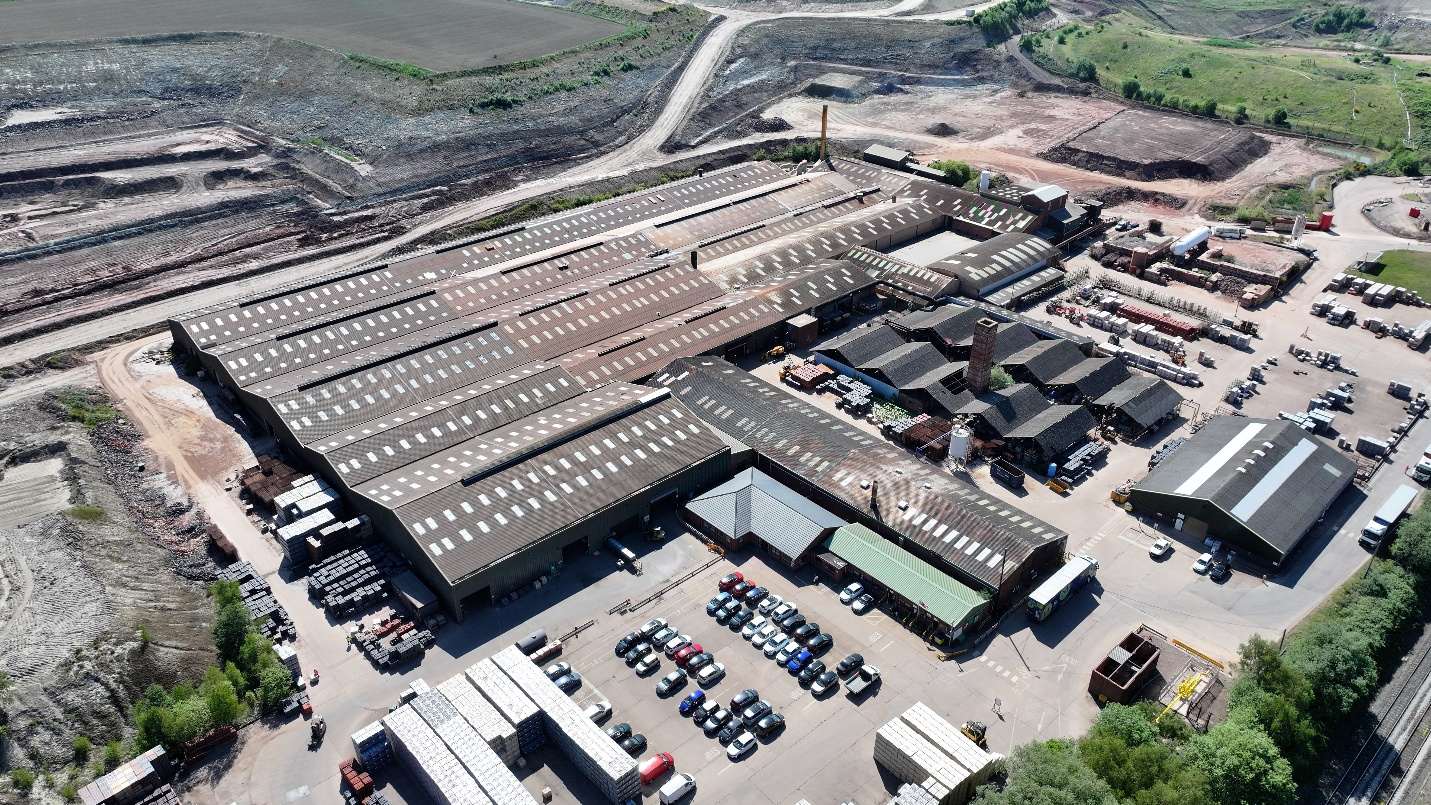
Why a Drone Roof Survey Before Solar Installation Is Not Optional: The Defects That Derail Projects
The most expensive structural problems in commercial solar are discovered after installation. A drone roof survey identifies defects that make installation impossible, uneconomic, or unsafe before the panels go on.
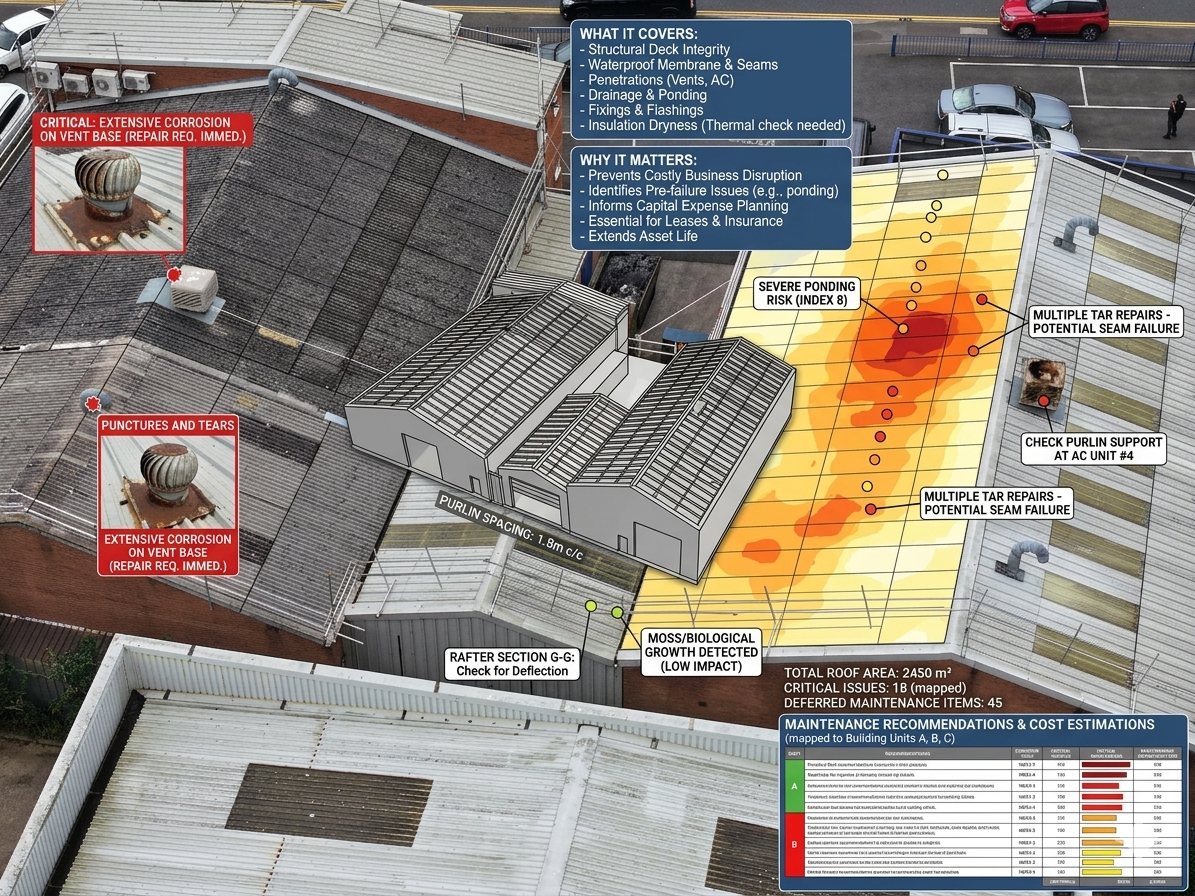
Drone Roof Condition Survey: The Defect Categories That Affect Solar PV Viability
Not all roof defects are equal. Some delay installation; some require remediation first; some make a roof structurally unsuitable. This article categorises the defects a drone condition survey identifies.
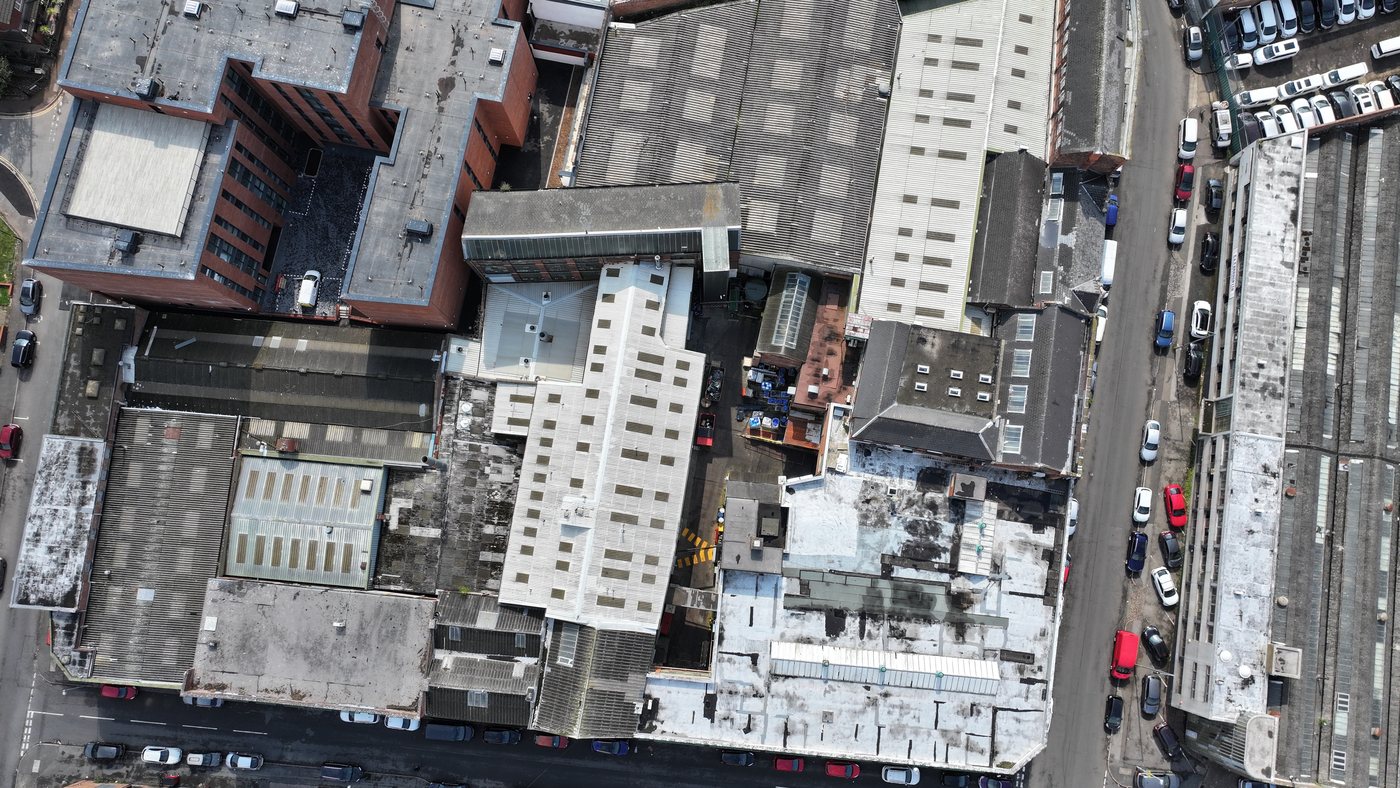
Commercial Roof Condition Survey Before Solar Installation: What It Covers and Why It Matters
A roof condition survey is the building envelope audit that sits alongside the structural appraisal in commercial solar pre-construction. This article explains what it covers and how it informs the installation programme.
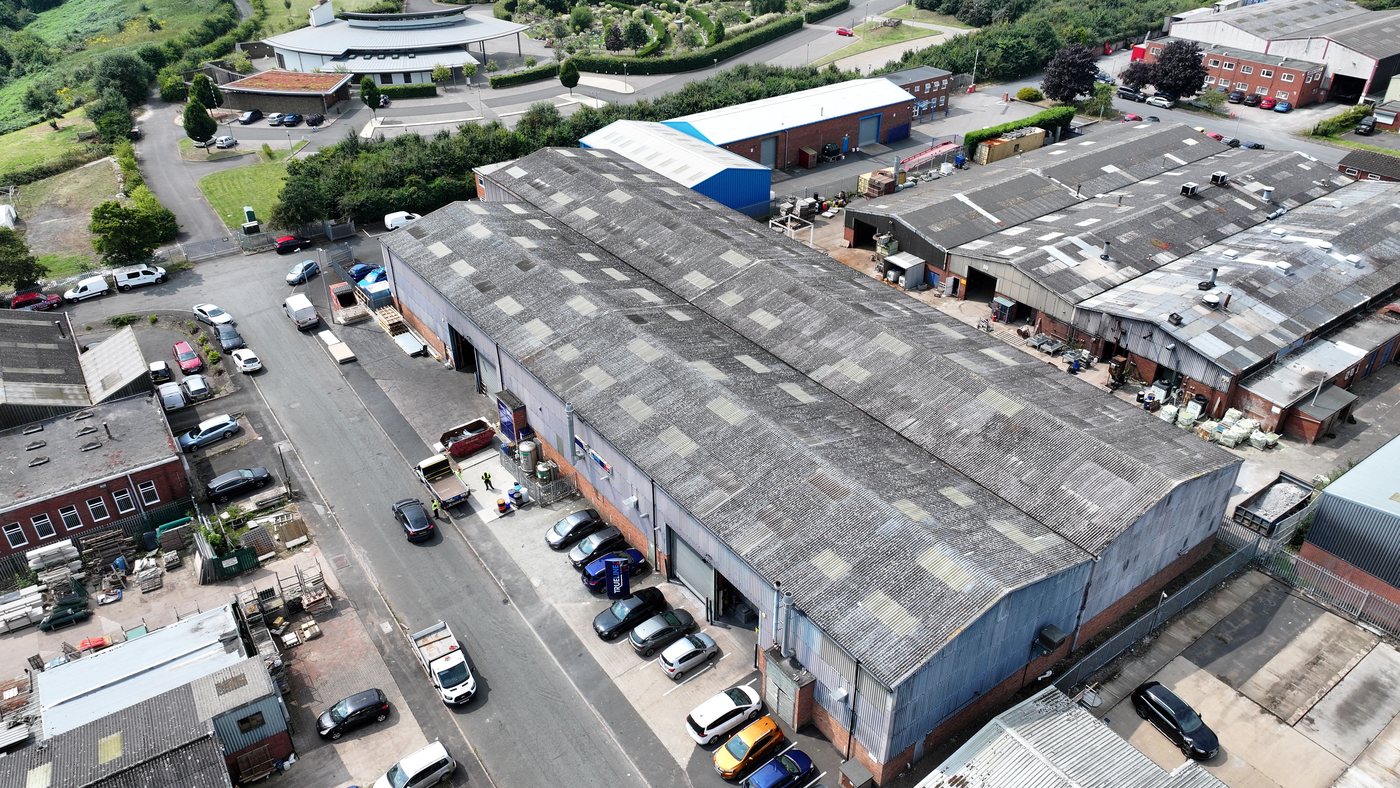
Roof Condition Survey Report: What the Report Contains and How to Use the Findings
A roof condition survey report is the formal output of the building envelope inspection. This article explains every section a compliant report should contain and how to interpret findings for solar decision-making.
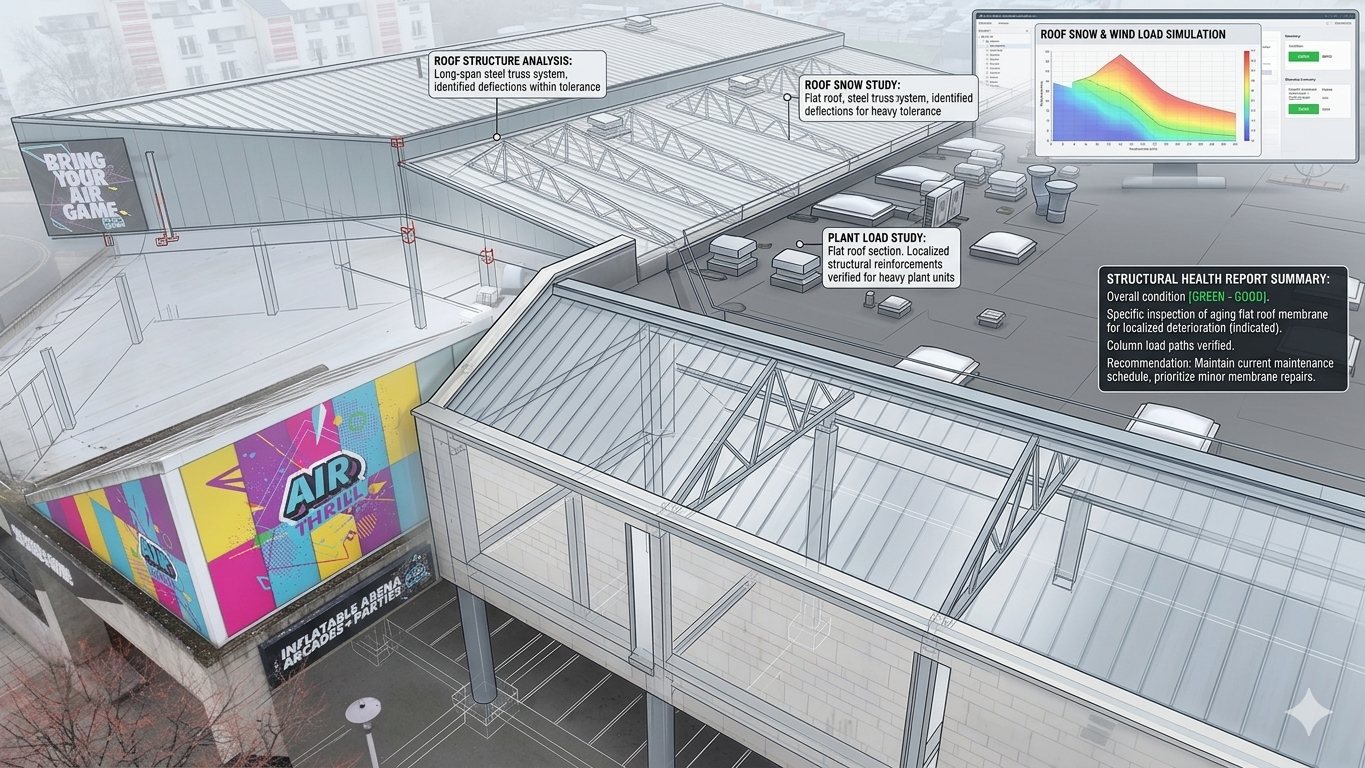
Drone Technical Survey for Commercial Solar: What It Is, How It Works, and When You Need One
A drone technical survey is not an aerial photograph or a visual inspection. It is a precisely engineered data-capture operation that produces engineering-grade outputs. This article explains the distinction.
8K Drone Survey for Commercial Rooftops: What Sub-Centimetre Imagery Finds That Standard Inspection Misses
8K UAV imagery at sub-centimetre ground sampling distance reveals roof defects invisible to the naked eye and impractical to identify without scaffolding. This article explains what 8K drone surveys find and why resolution matters.
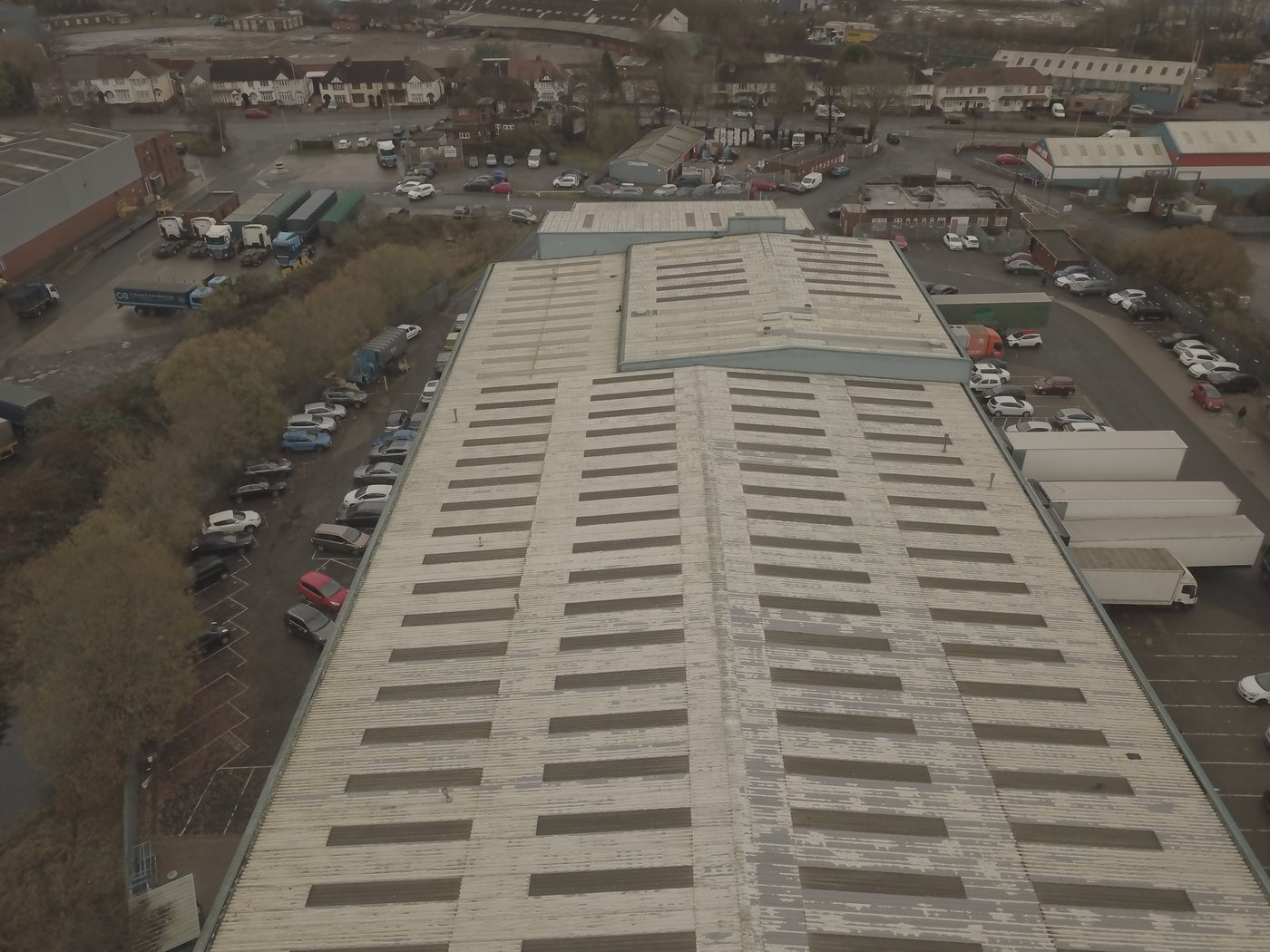
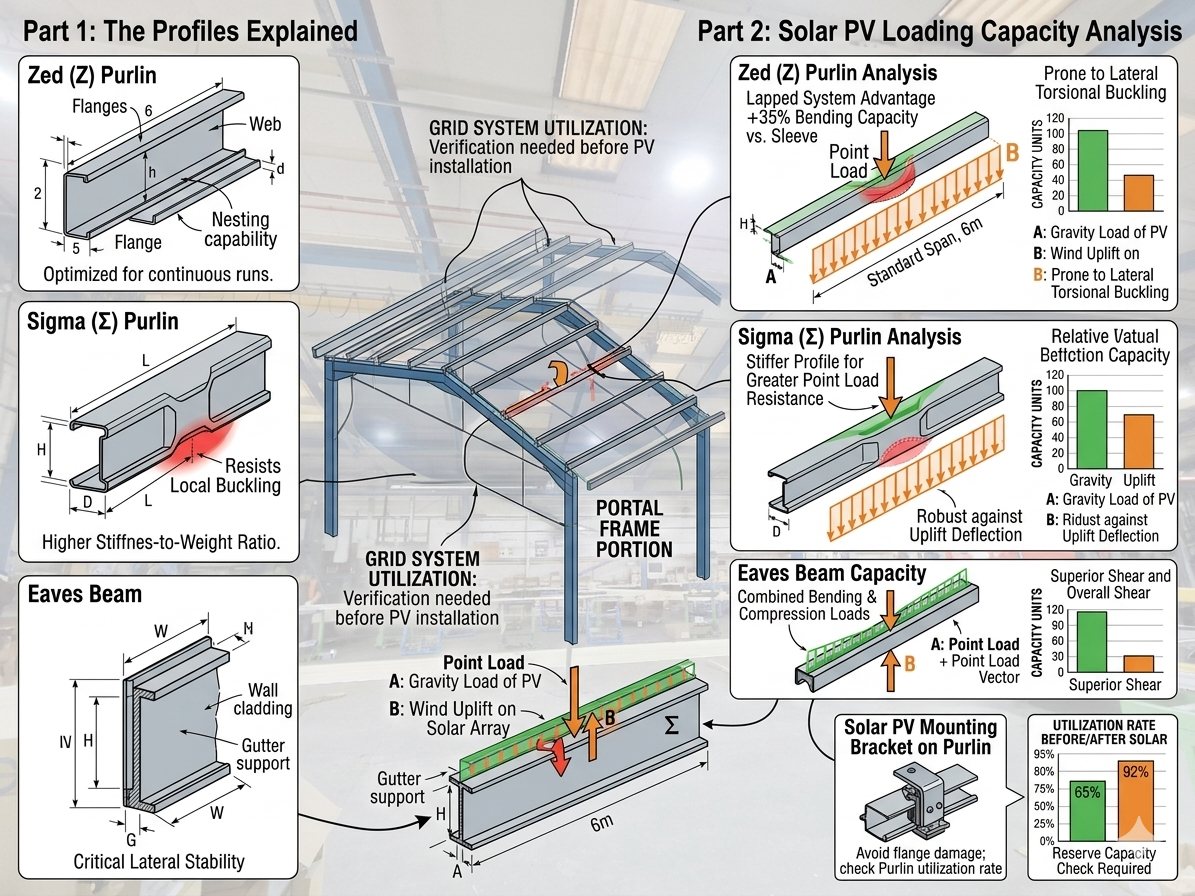
Cold-Formed Steel Purlin Types for Solar PV: Zed, Sigma, and Eaves Beam Capacity Explained
The type and grade of purlin in a commercial roof directly determines the additional load it can carry. This article explains the structural differences between zed and sigma purlins and how each is assessed for solar PV loading.
Timber Rafter Structural Assessment for Solar PV: Load Capacity, Span Tables, and What Engineers Check
A significant share of UK school buildings, older commercial properties, and agricultural structures use timber rafter roof construction. Assessing timber rafters for solar PV loading requires a different approach to steel.
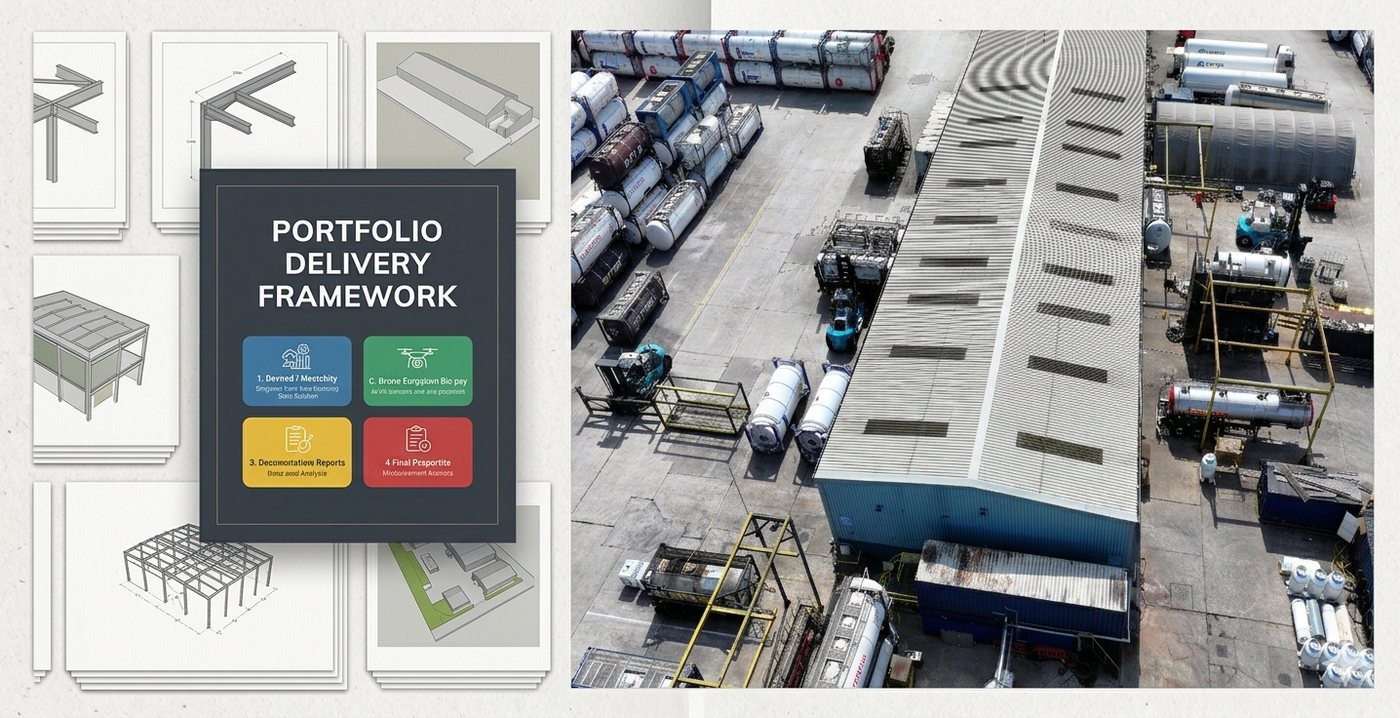
Solar Panel Weight and Structural Calculations: How Module Specifications Affect Roof Load Assessments
Solar panel weight directly affects the additional dead load the roof structure must carry. As bifacial glass-glass modules become standard, the structural implications are changing. This article explains how module weight feeds into calculations.
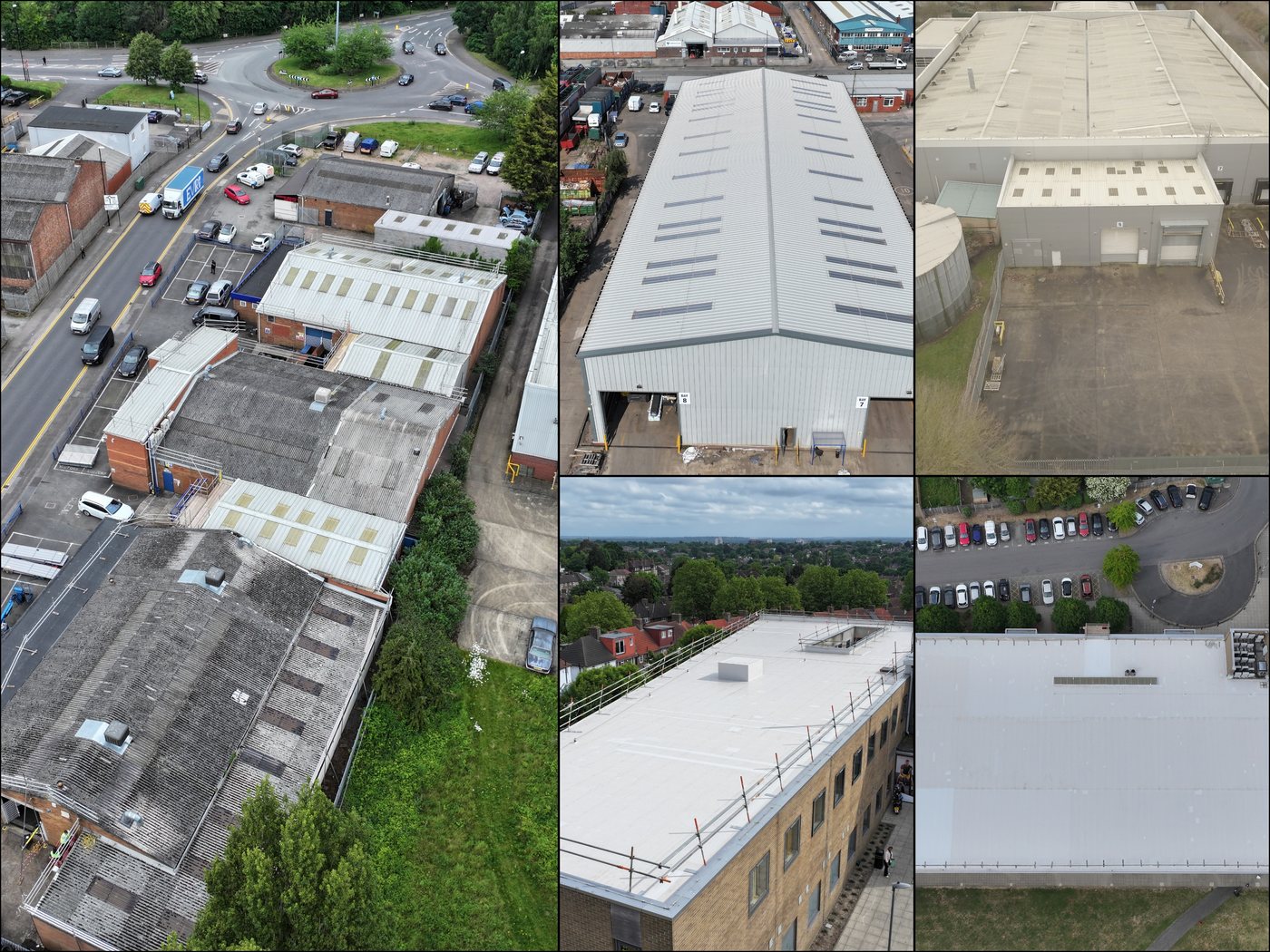
Bifacial Solar Panels and Structural Surveys: Why Glass-Glass Modules Change the Loading Calculation
Bifacial glass-glass solar modules are now the standard specification for many commercial projects. They are also heavier than monofacial glass-backsheet modules. This article explains the structural survey implications.
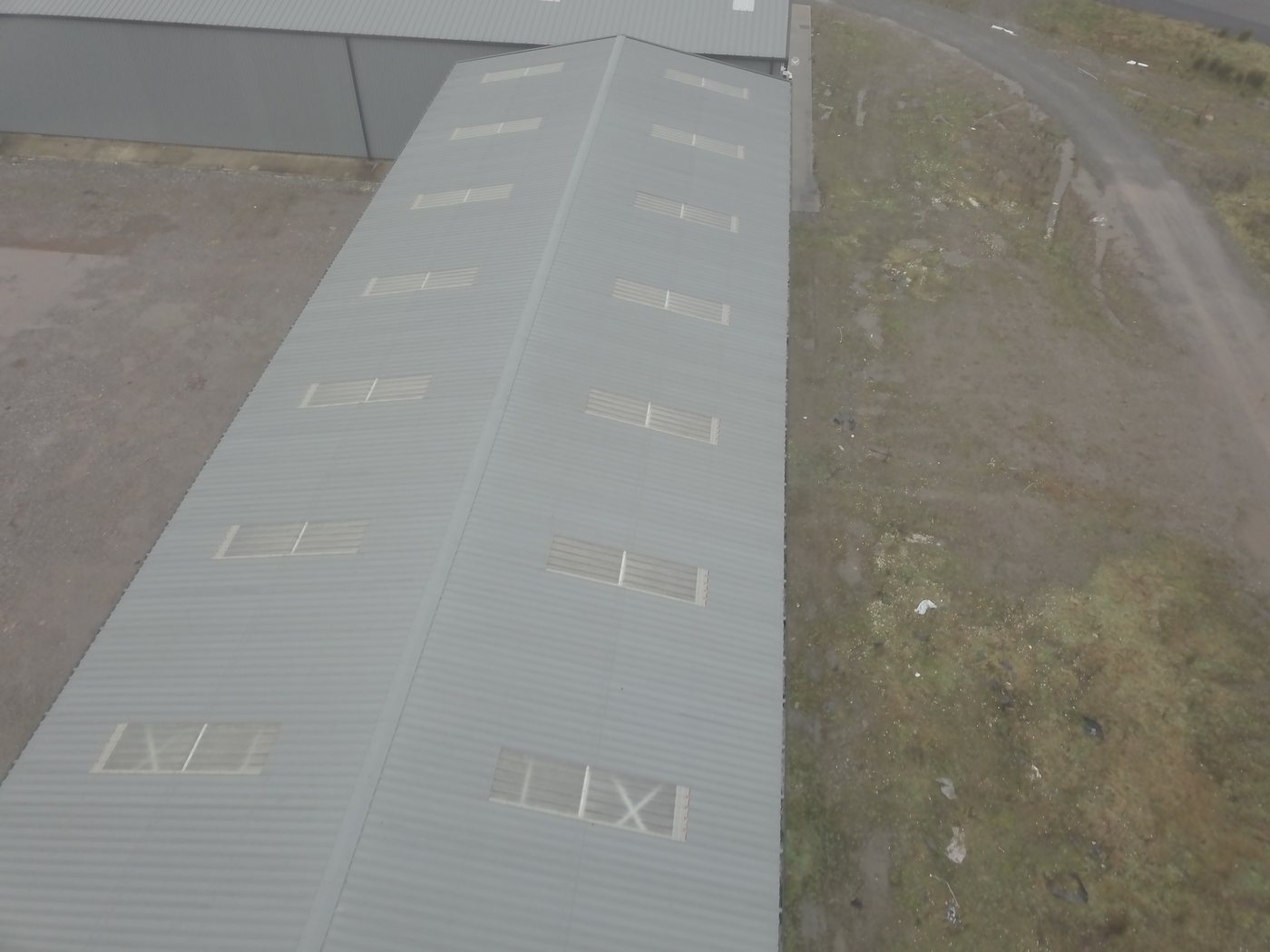
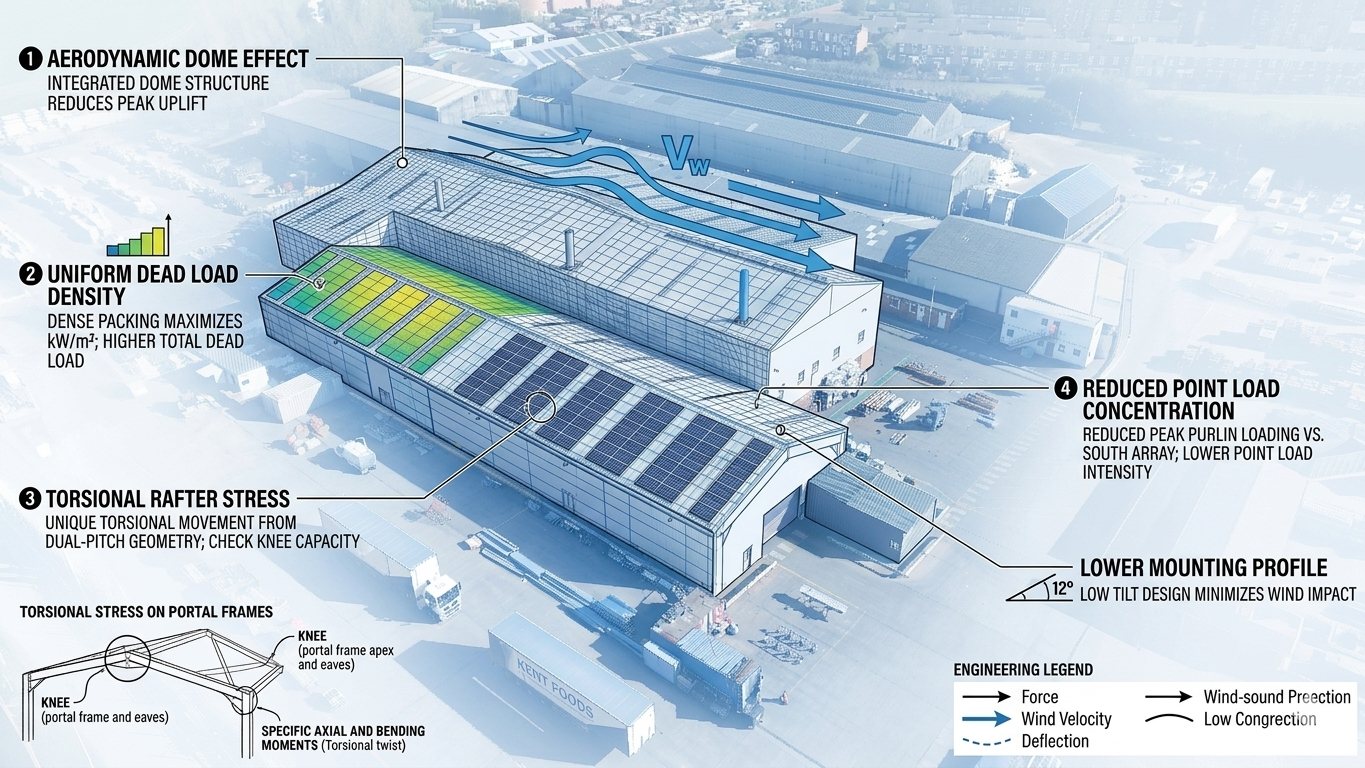
East-West Solar Arrays: How Dual-Pitch Layout Affects Structural Loading vs South-Facing Arrays
East-west low-pitch arrays generate different structural loading profiles to south-facing arrays. Understanding the differences matters for structural report interpretation and racking system selection.
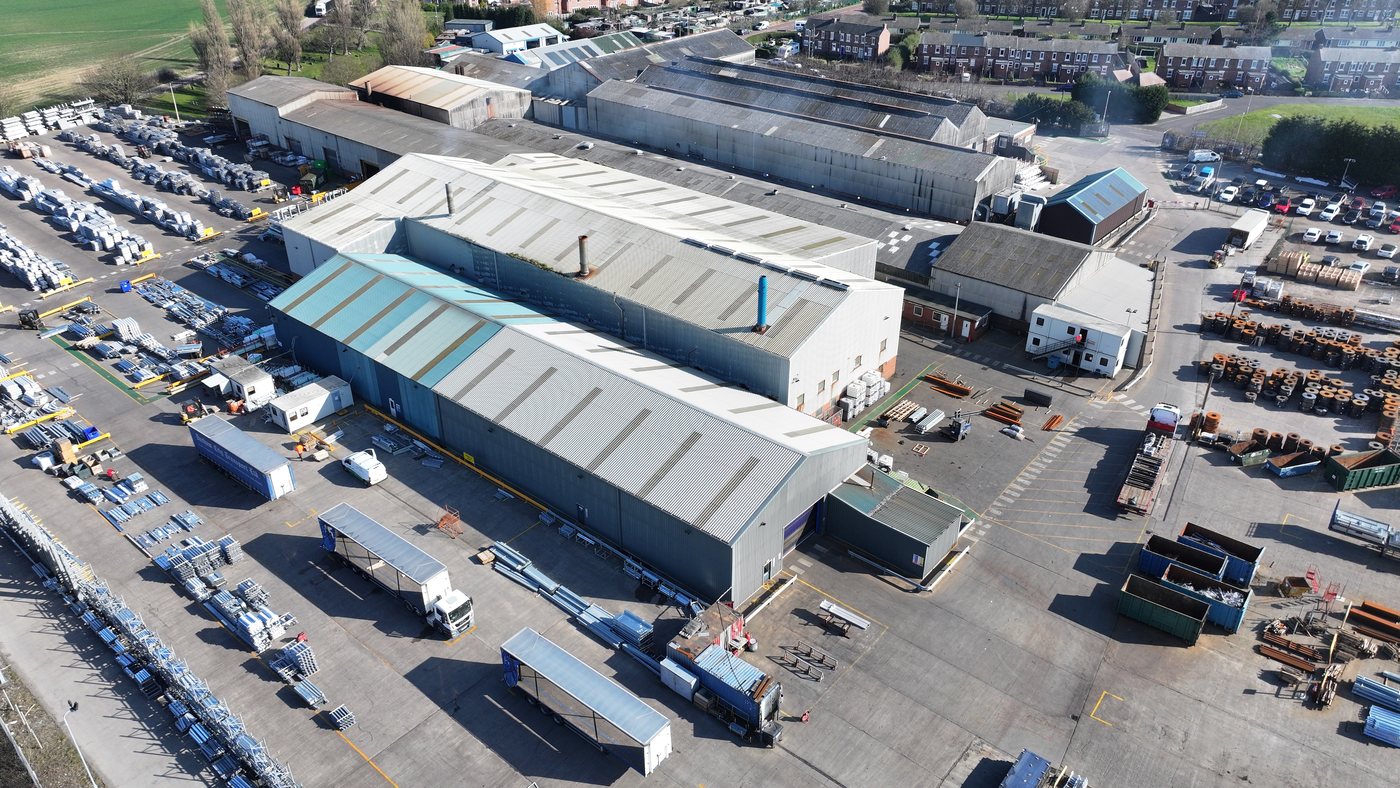
Drone Photogrammetry and Digital Twins for Solar PV: How 3D Roof Models Improve Structural Accuracy
Drone photogrammetry generates a millimetre-accurate 3D model of a commercial roof. Used as part of a structural survey, this digital twin improves loading accuracy and provides a permanent engineering record.
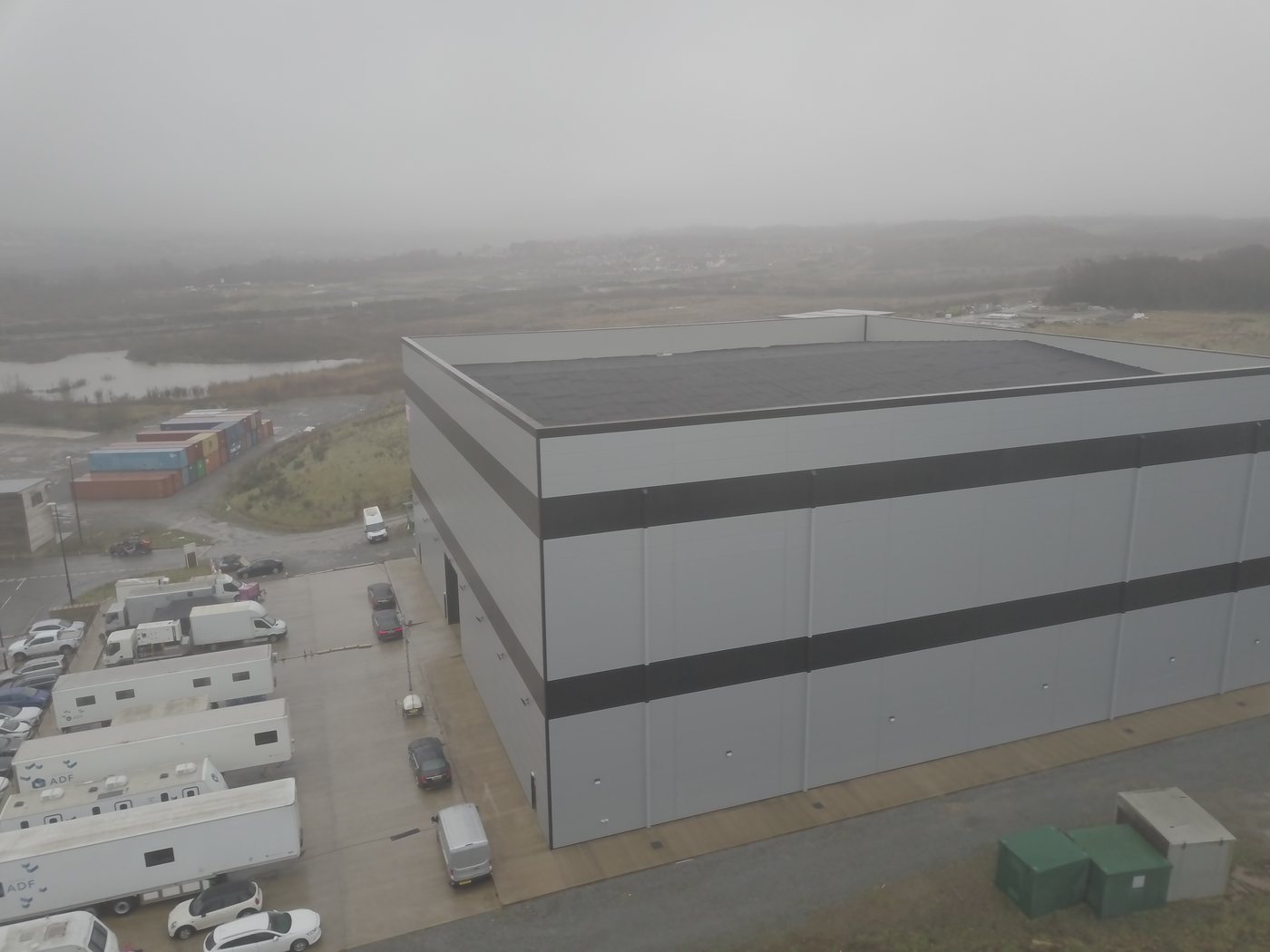
Industrial Sector Solar PV Structural Survey: What Makes Industrial Buildings Different
Industrial buildings represent the largest opportunity for commercial rooftop solar in the UK. They also present specific structural engineering challenges. This guide covers what is different about industrial sector surveys.
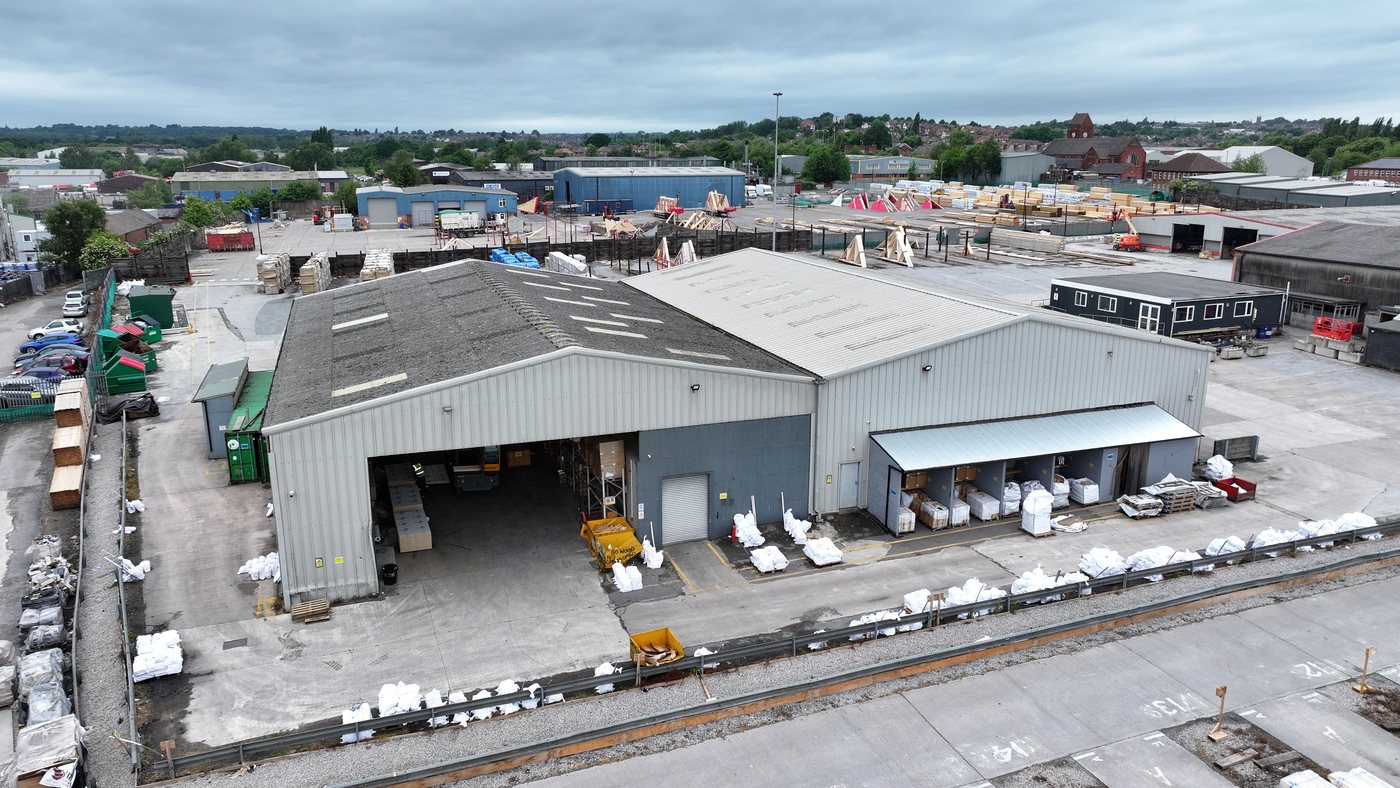
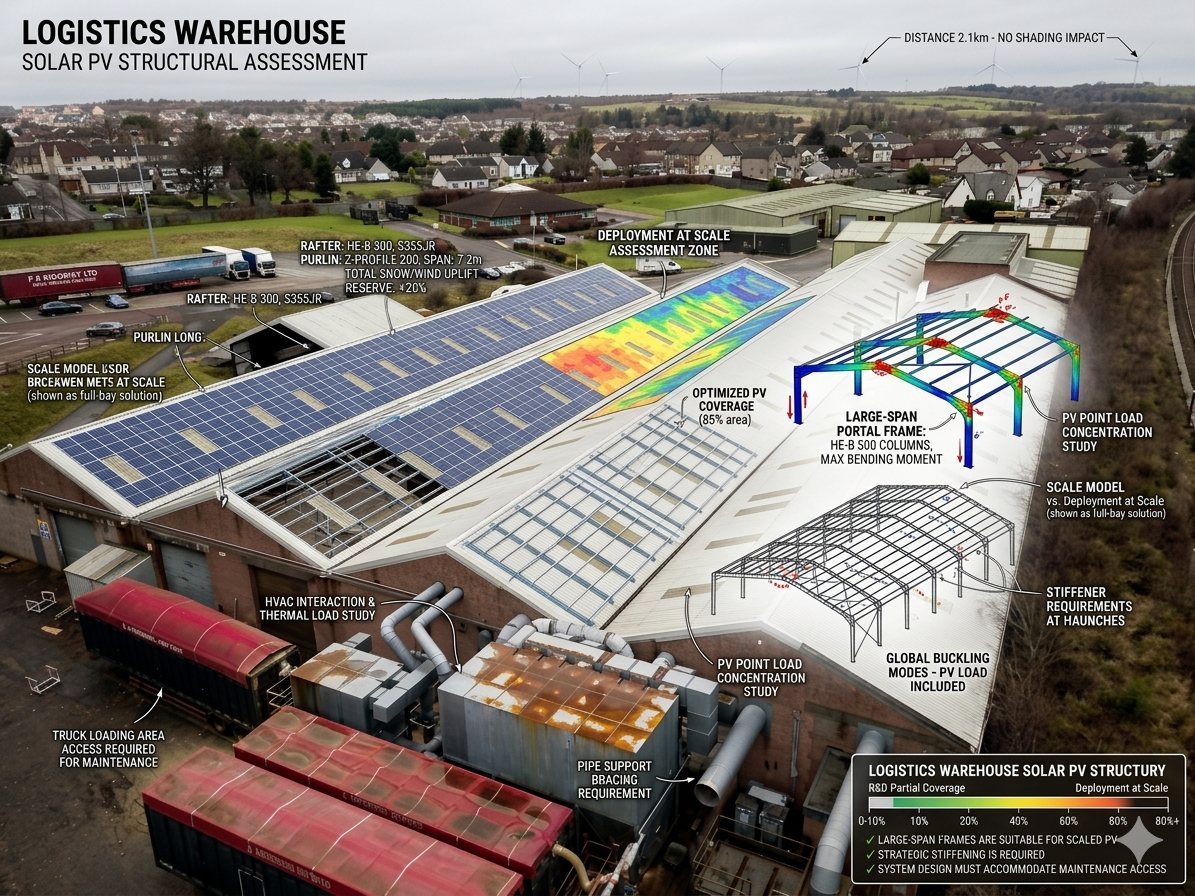
Logistics Warehouse Solar PV Structural Assessment: Large-Span Steel Frames and Deployment at Scale
Logistics warehouses are structurally well-suited to solar PV deployment. Large roof areas, modern construction, and consistent building typology make them predictable to assess. This guide explains the specific engineering checks.
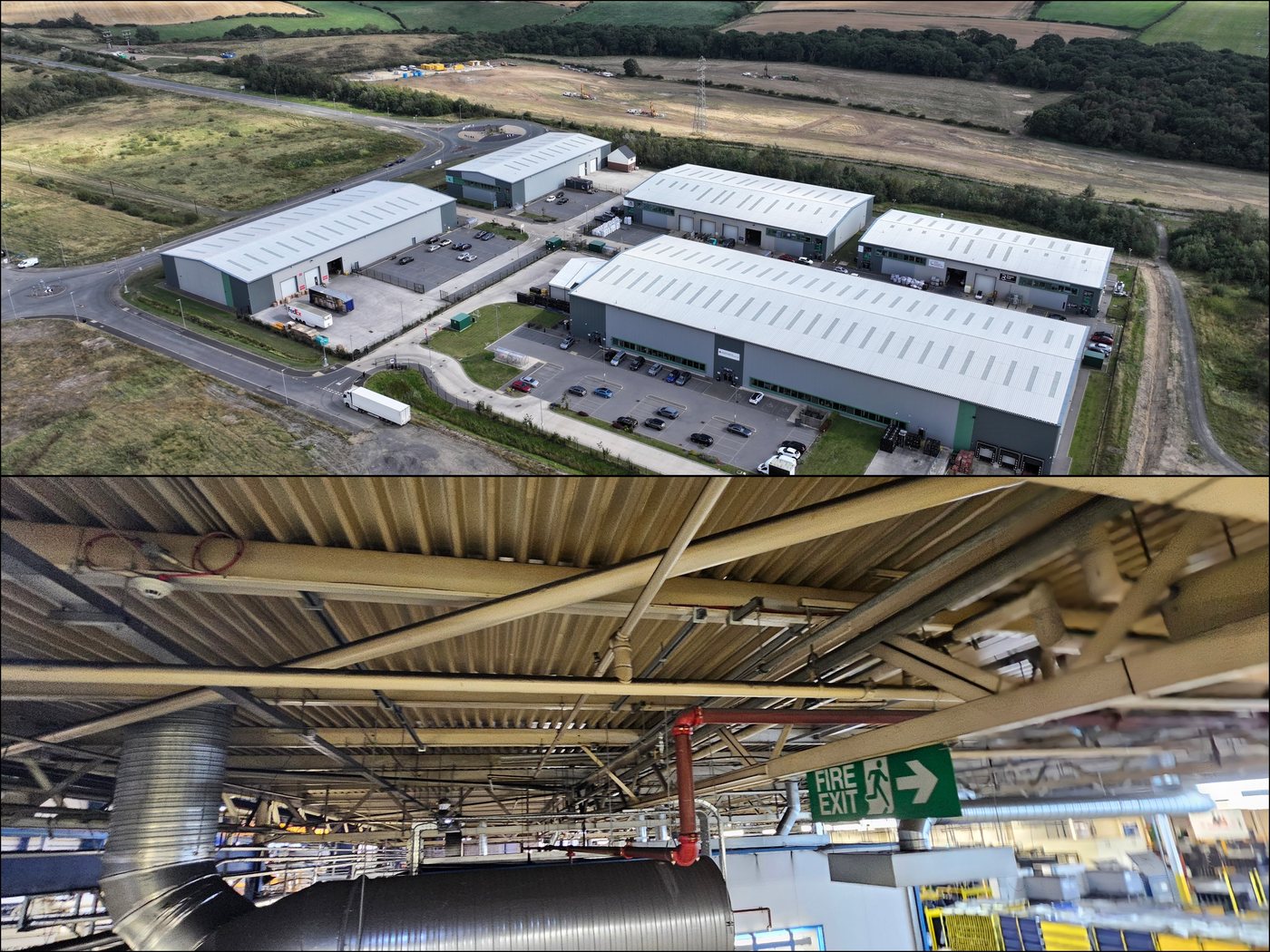
Healthcare and Public Sector Buildings: Solar PV Structural Survey Considerations
NHS trusts, local authorities, and housing associations are among the fastest-growing segments of the commercial solar market. Public sector buildings present specific structural and programme management challenges.
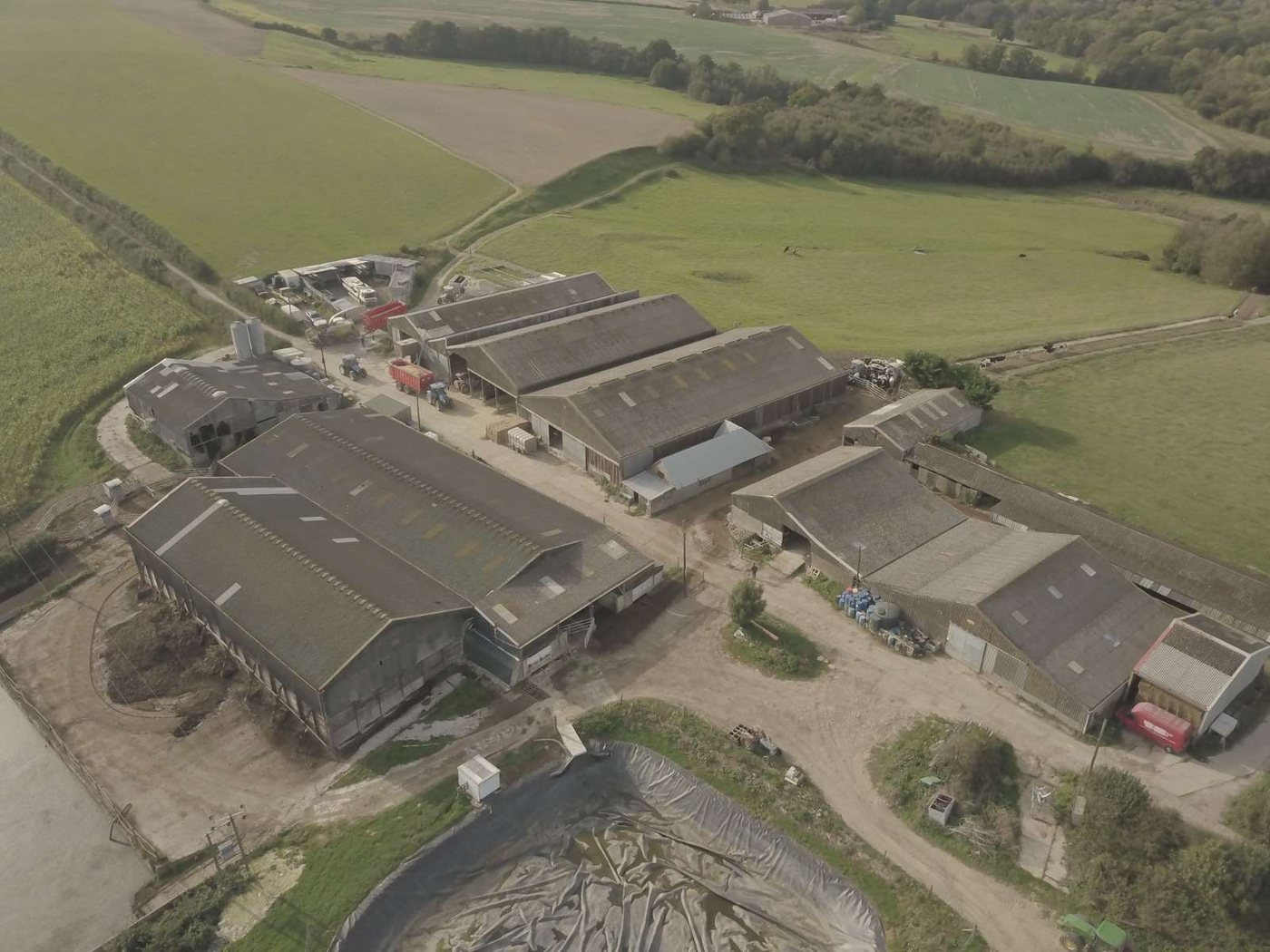
Agricultural Buildings and Solar PV: Structural Assessment for Farm Rooftops
Agricultural buildings often have older roof structures, corrugated steel or asbestos sheet coverings, and limited original design documentation. Structural assessment for farm-based solar PV requires a specialist approach.
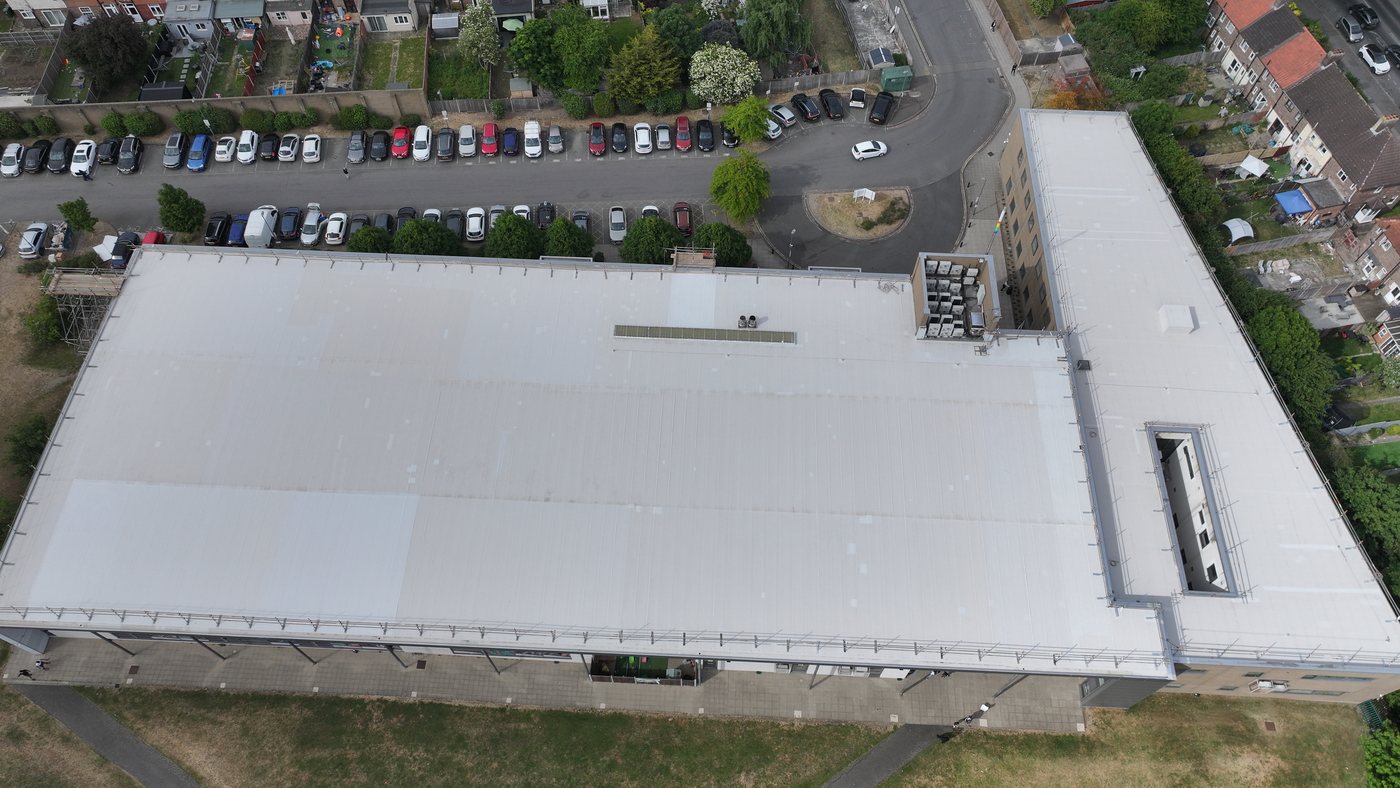
Solar Feasibility Assessment for Commercial Property in the UK: What It Covers and What Comes Next
A solar feasibility assessment is the starting point for every commercial rooftop solar project. This guide explains what a proper feasibility study covers, who should produce it, and how structural and planning processes connect.
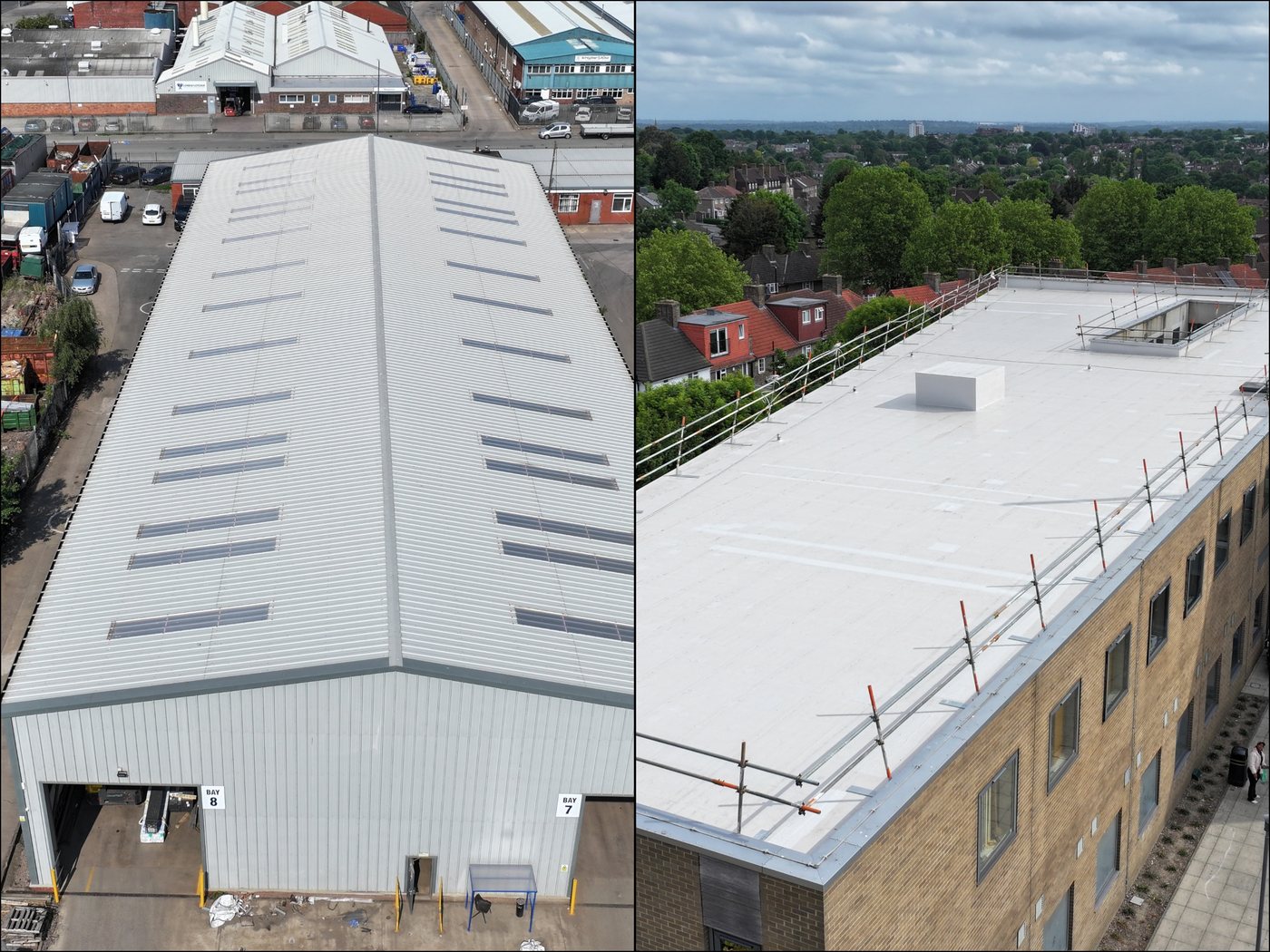
MCS Certification and Structural Requirements for Commercial Solar: What Installers Must Provide
MCS certification for commercial solar PV requires a compliant structural assessment before installation sign-off. This article explains the exact documentation MCS requires and how to avoid certification delays.
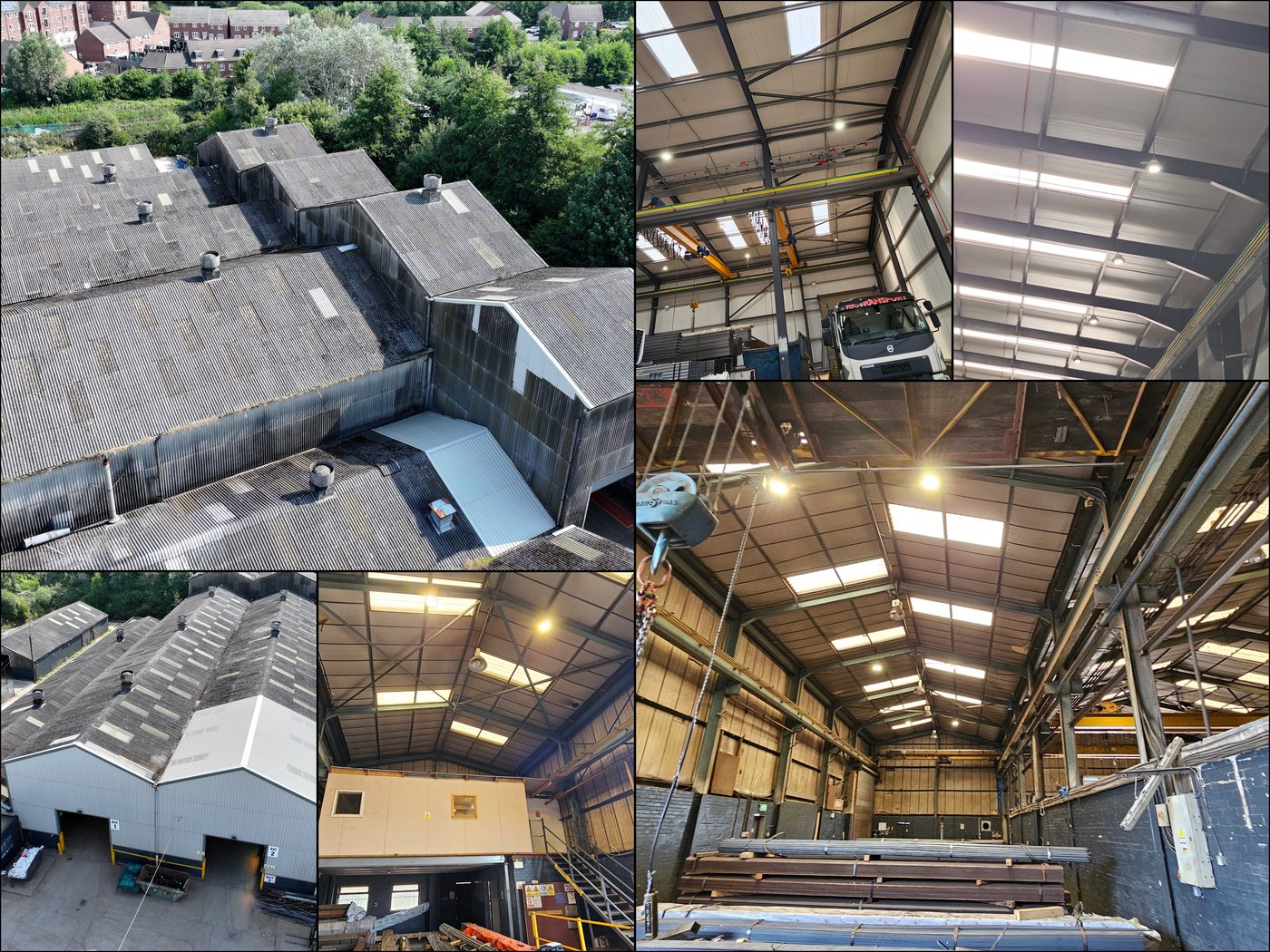
Commercial Solar Insurance: What Structural Documentation Underwriters Require
Commercial solar insurance underwriters review structural documentation as part of risk assessment. This article explains what structural reports they require, what they look for, and how to ensure your project is insurable from day one.
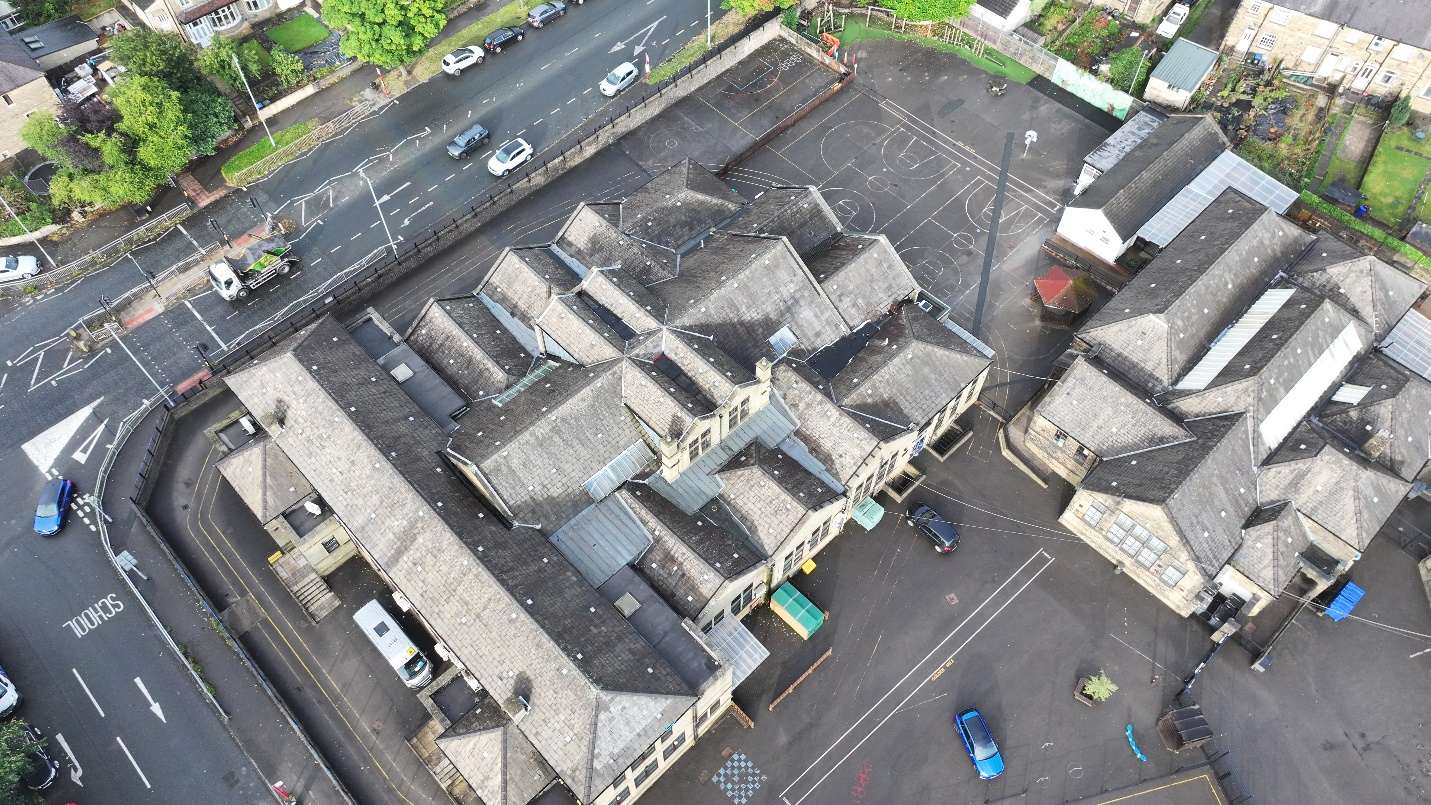
EPC B by 2030 and Rooftop Solar: What the MEES Deadline Means for Commercial Landlords and Structural Surveys
The MEES EPC B target by 2030 is driving commercial landlords to install rooftop solar at scale. This article explains the structural survey implications of meeting the deadline and why assessment lead times matter.
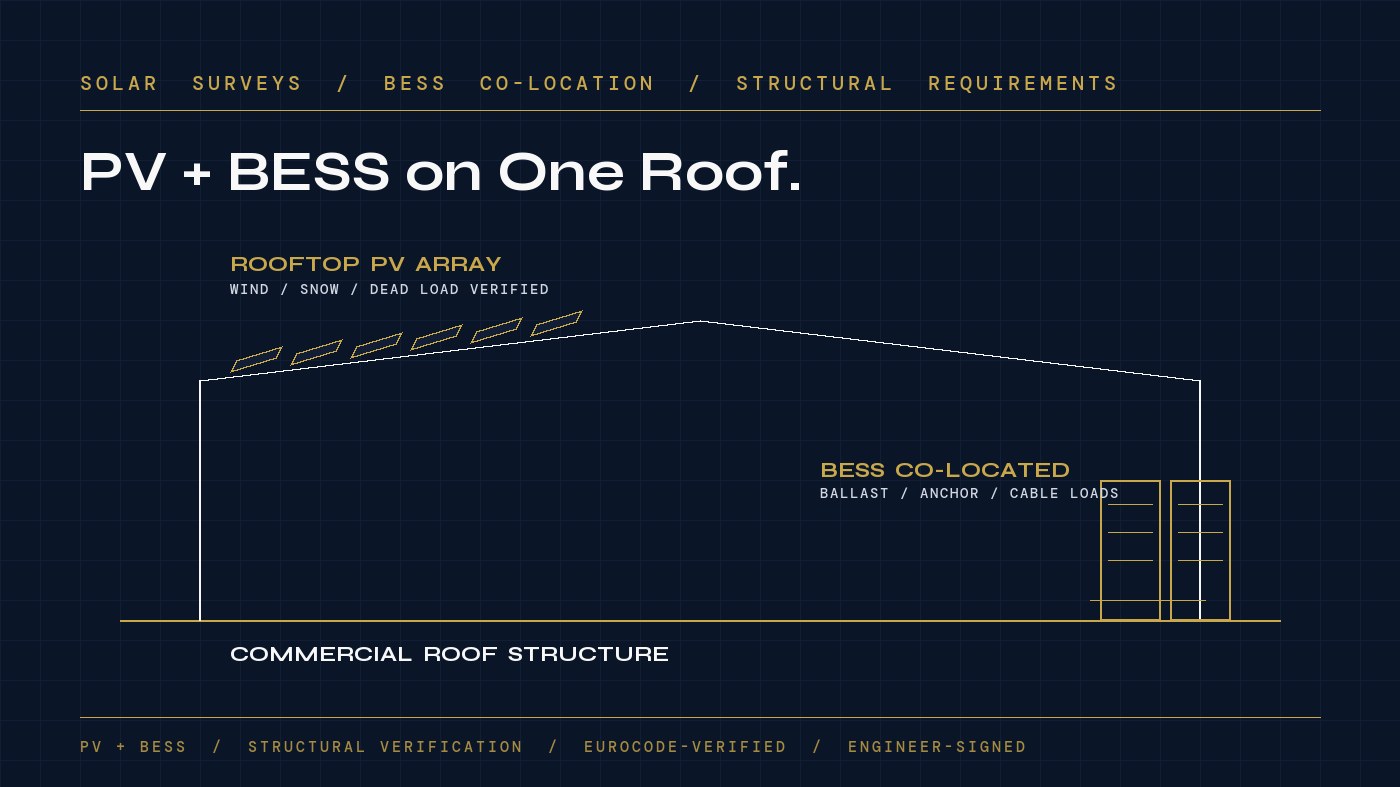
BESS Co-Location on Commercial Rooftops: Structural Survey Requirements for Battery Storage Alongside Solar PV
Co-locating battery energy storage systems with rooftop solar is increasingly common. BESS units introduce additional structural loading that must be assessed independently. This article explains the structural survey requirements.
From Structural Clearance to G99 Application: The Commercial Solar Pre-Construction Timeline Explained
Commercial solar pre-construction involves structural sign-off, G99 application, planning, and EPC design running in parallel. This article maps the critical path and explains where structural assessment fits in the sequence.
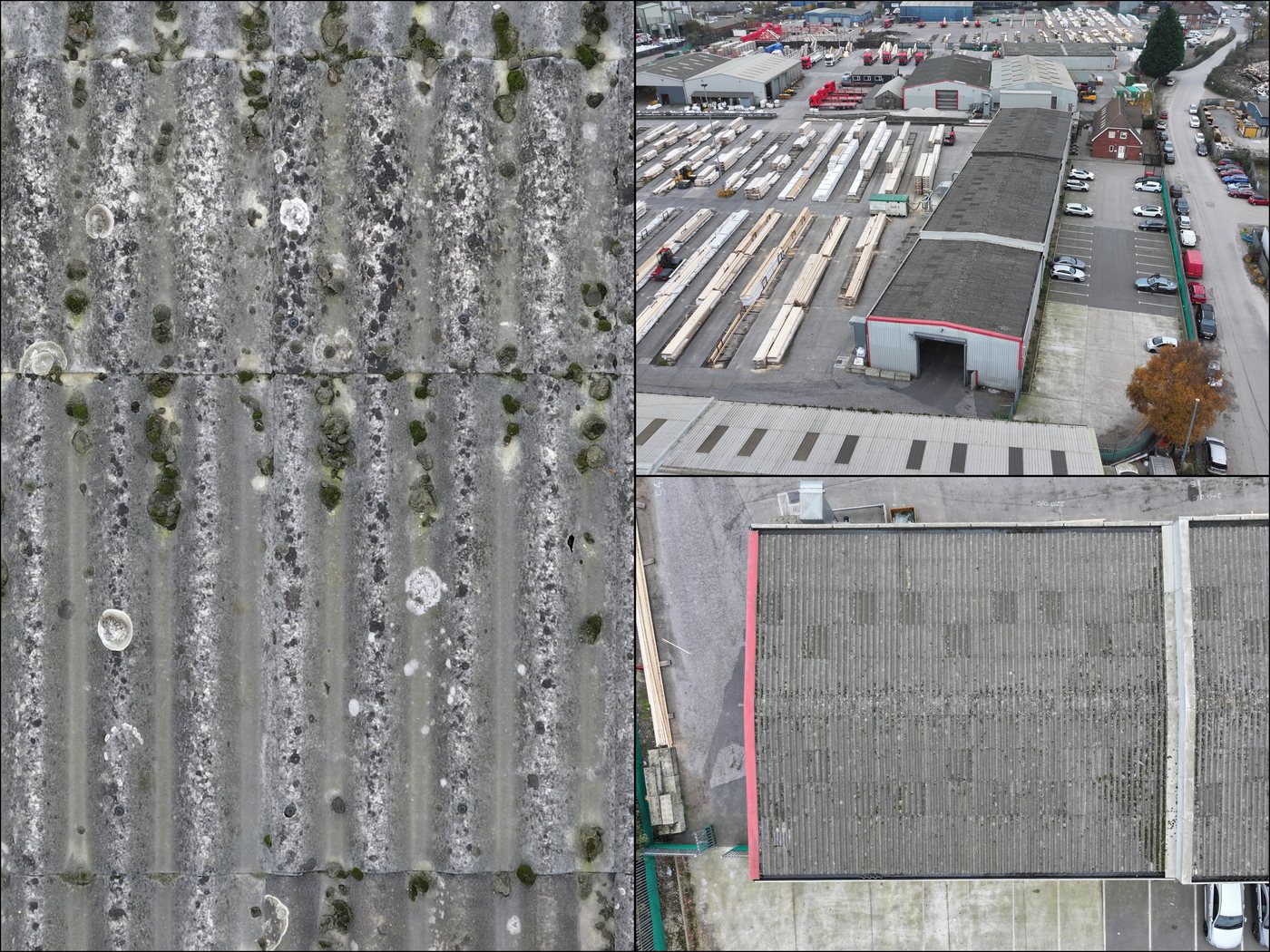
Thermal Imaging Roof Survey for Solar PV: What Infrared Surveys Find and When They Are Required
Thermal imaging identifies trapped moisture, insulation voids, and delaminating membranes invisible to standard cameras. This article explains when thermal imaging is used alongside structural surveys and what it reveals.
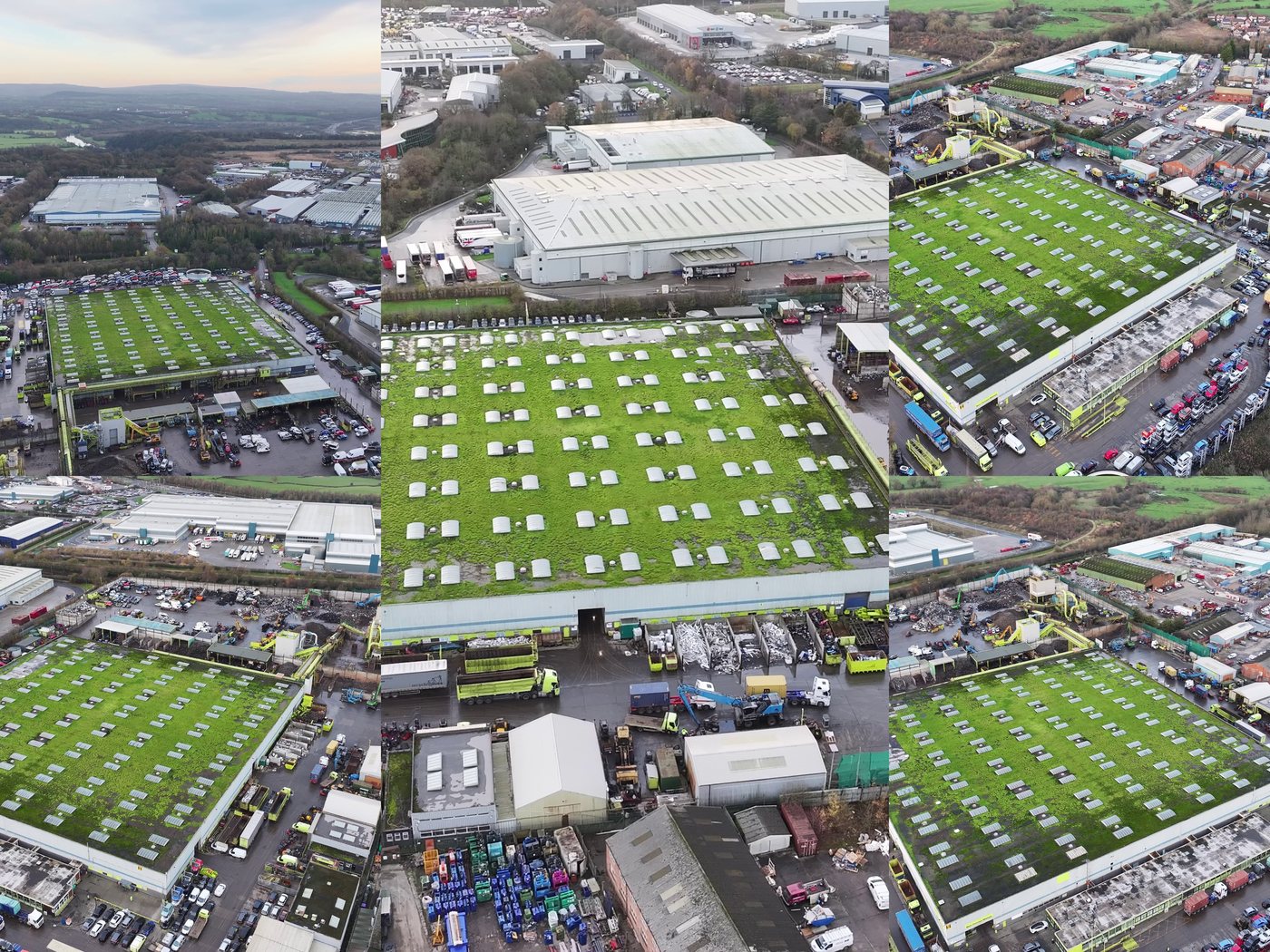
Flat Roof Solar PV: Structural Requirements for Ballasted, Mechanically Fixed, and Adhered Systems
Flat roofs present different structural challenges to pitched roofs for solar PV. Ballasted, mechanically fixed, and adhered systems each impose different loads on the structure and waterproofing membrane.
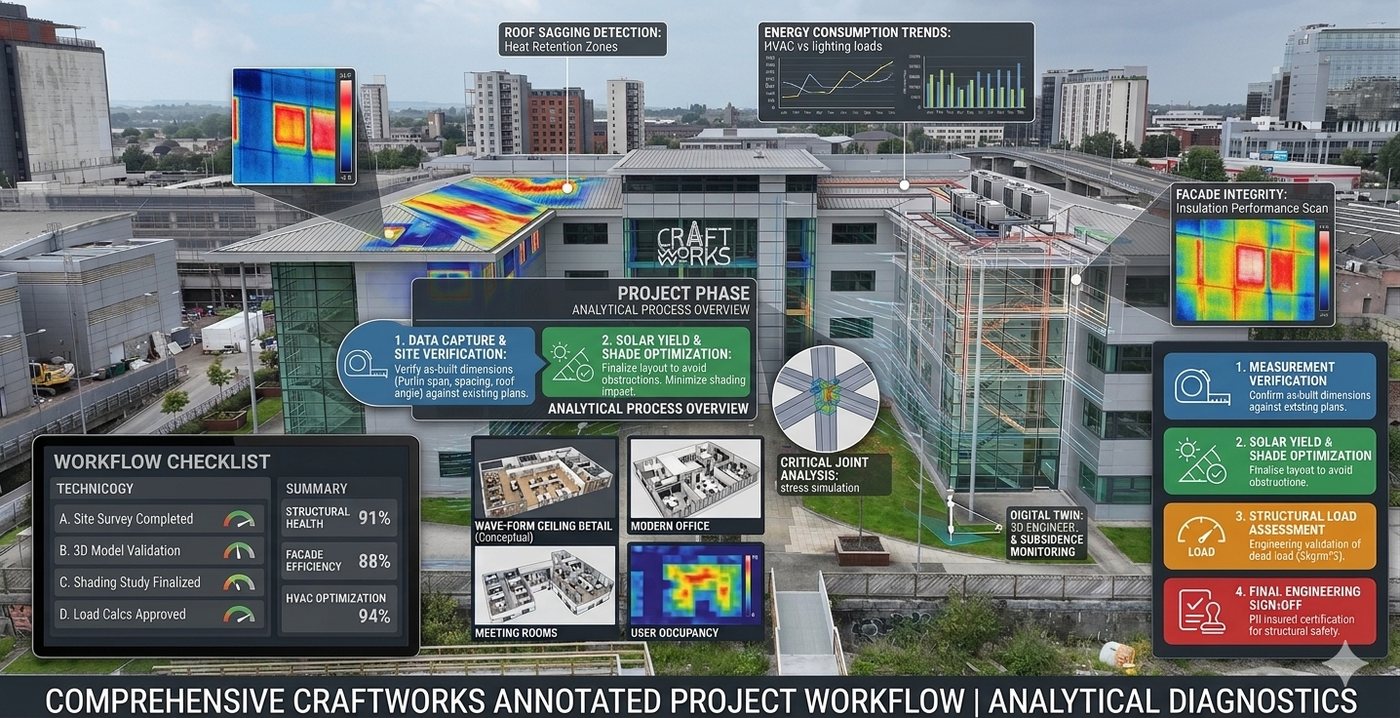
Solar PV Roof Fixing Systems: How Fixing Type Affects the Structural Assessment
The way a solar array is fixed to a roof has a direct impact on the structural loads imposed. Clamp-to-purlin, through-fix, and standing seam clip systems create different load paths. This article explains how fixing selection affects the structural assessment.
Large-Scale Commercial Solar: Structural Considerations for Multi-MW Rooftop Installations
Multi-megawatt rooftop solar installations introduce structural challenges that do not arise on smaller systems. Higher panel counts, heavier plant, and larger footprints all require careful engineering treatment.
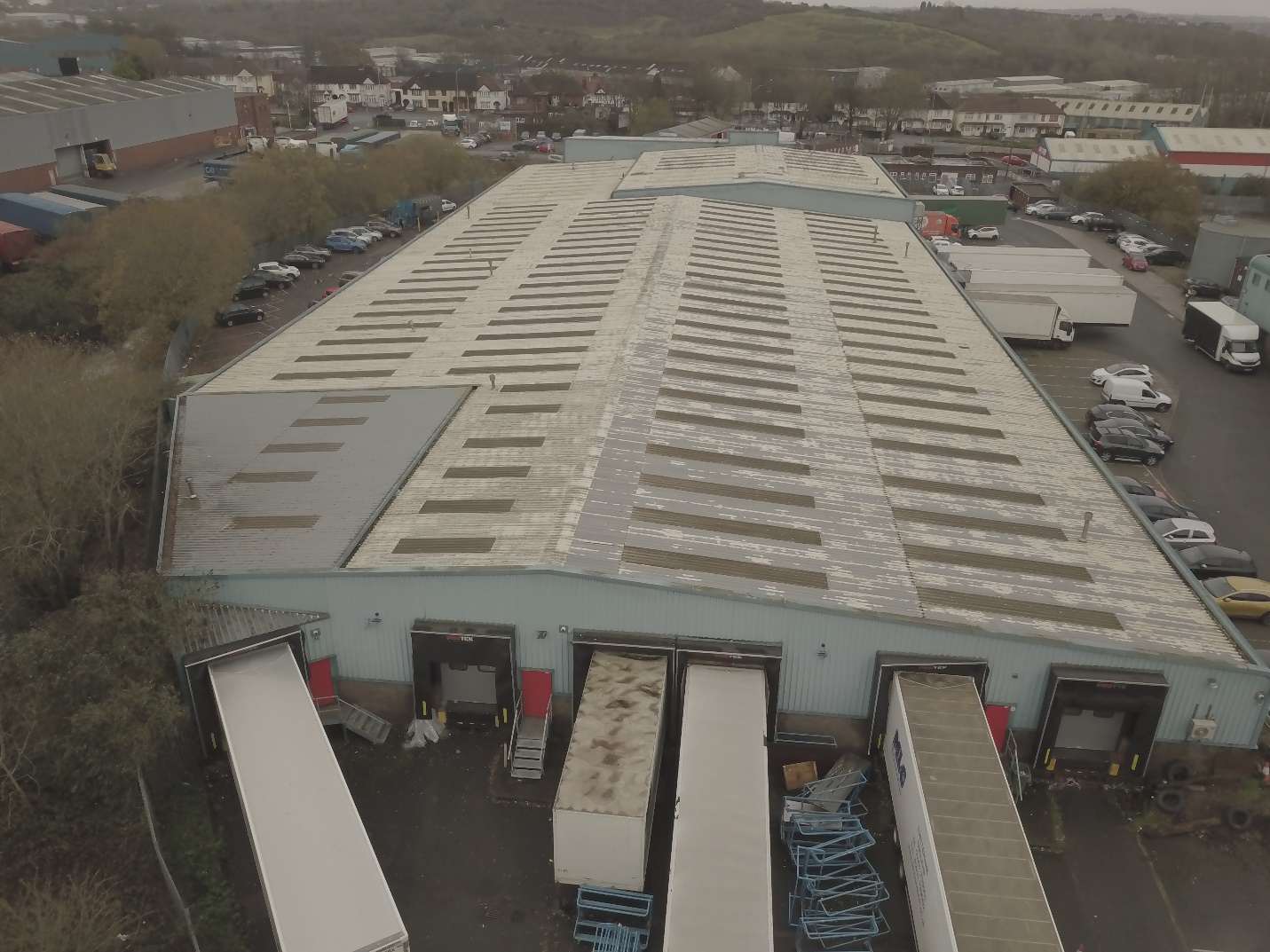
Structural Survey Turnaround Times for Commercial Solar: What Is Realistic and Why It Matters
Structural report turnaround times vary from 48 hours to four weeks. This difference has material consequences for project timelines, pipeline velocity, and investor confidence. This article explains what determines turnaround time.
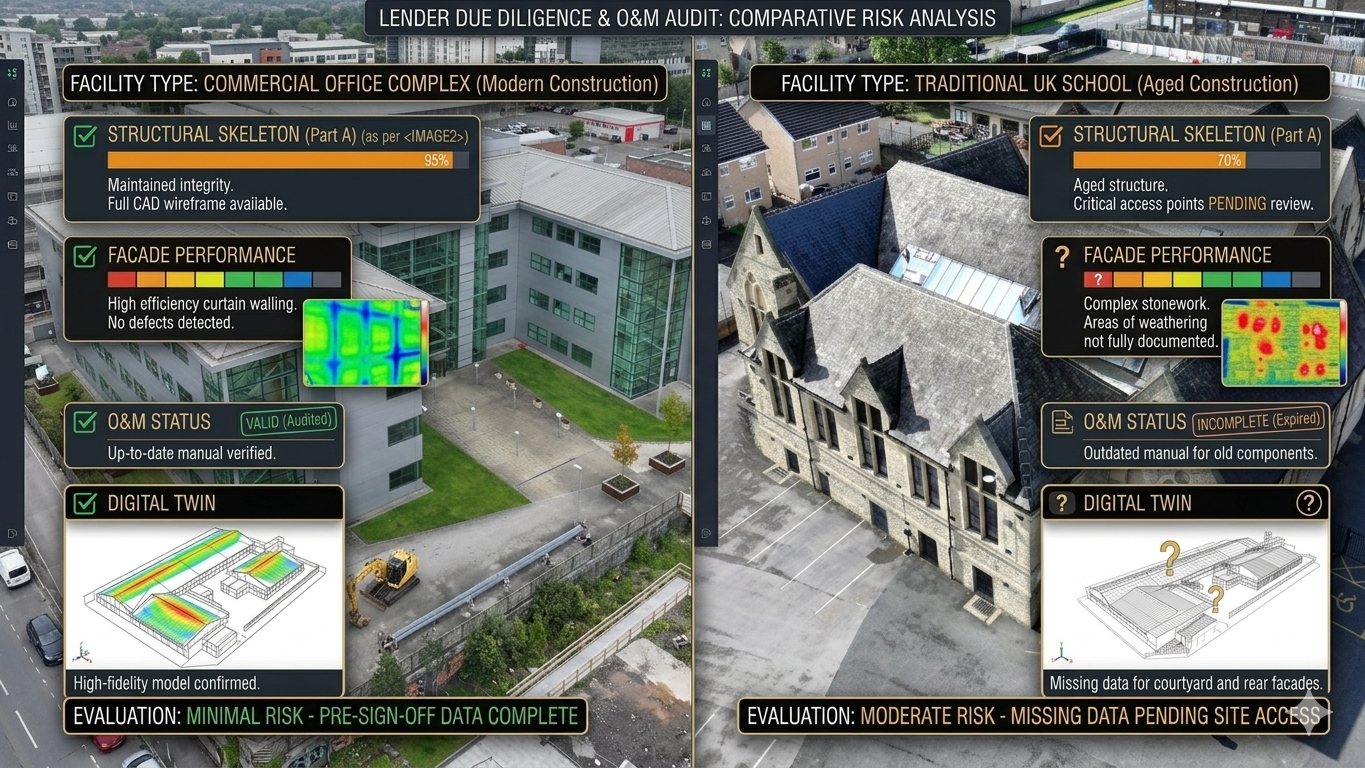
Commercial Solar Pre-Construction Checklist: The Structural Engineering Documents You Need Before Installation Begins
Before a commercial solar installation can begin, a defined set of structural engineering documents must be in place. This checklist covers every structural document required at pre-construction stage.
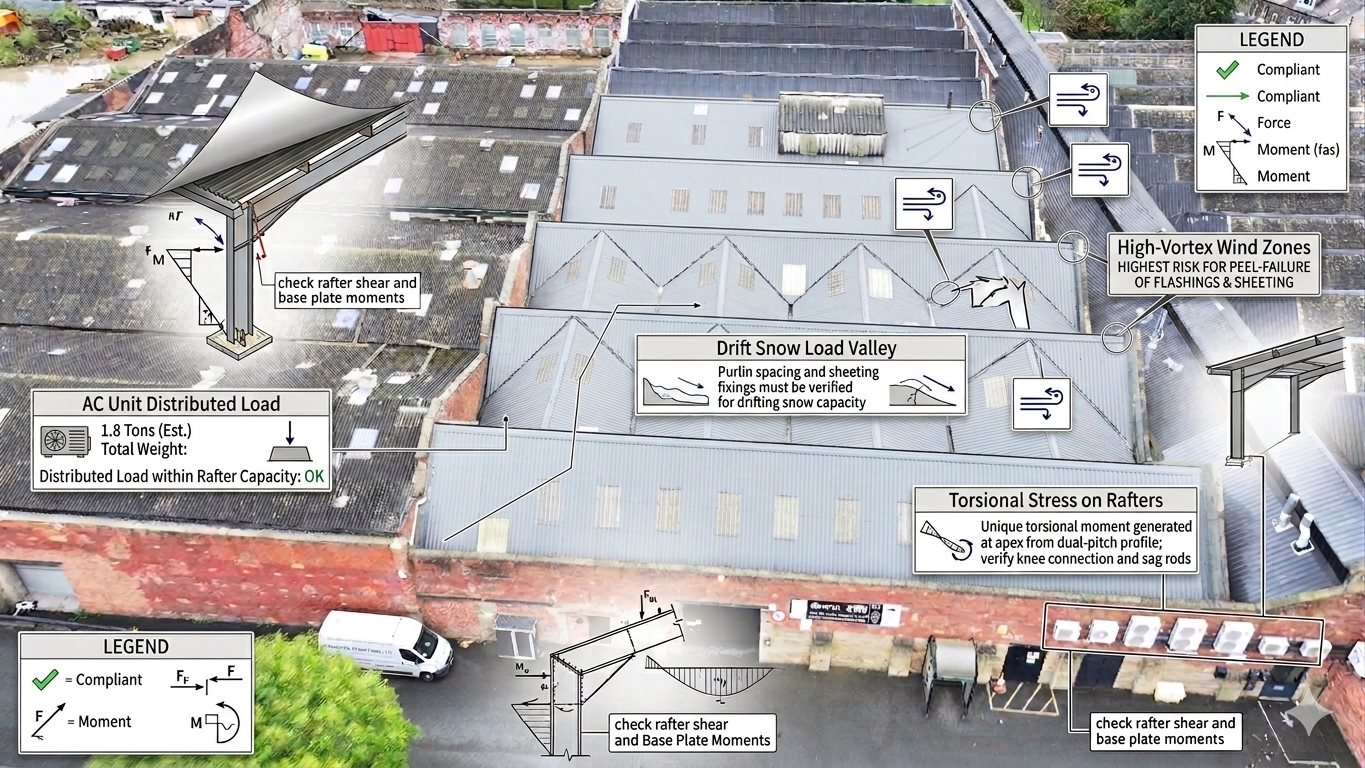
What Is a Structural Survey for Commercial Solar PV: and Who Signs It?
Not all structural surveys are equal. This guide explains what a lender-accepted, Eurocode-verified structural survey actually contains, who must sign it, how MCS MIS 3002 Section 5.9 defines the compliance requirement, and what happens when a general surveyor signs off instead of a structural engineer.
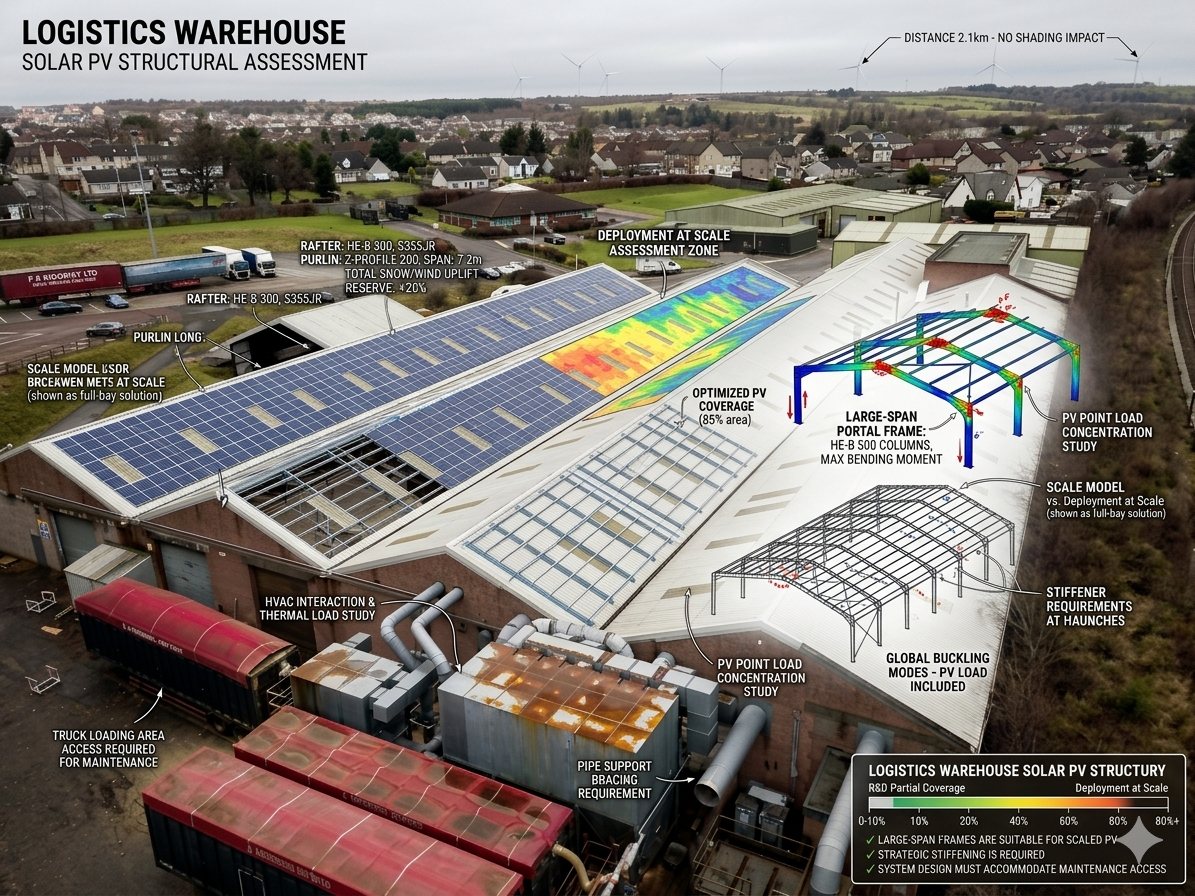
Drone Roof Condition Assessment vs Traditional Inspection: The Case for UAV-Led Surveys
Scaffold hire, roof access teams, extended programmes: traditional roof inspections add cost and delay at the pre-construction stage. Here is how UAV-led condition assessments eliminate those barriers without sacrificing engineering rigour.
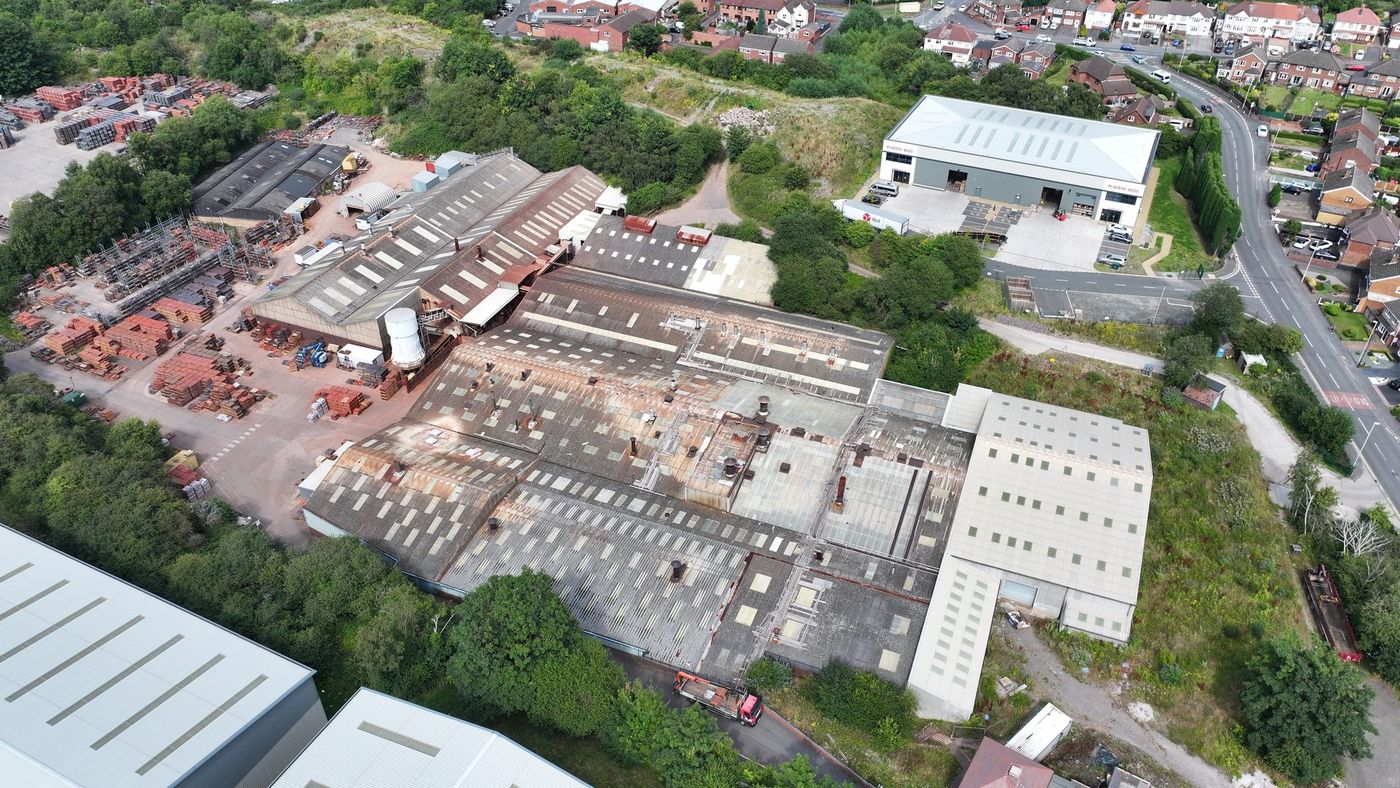
Purlin Spacing, Dead Loads and Wind Uplift: What Structural Engineers Check Before Solar PV Sign-Off
Before any solar PV array is approved for installation, a structural engineer must verify the roof can carry the additional dead load, resist wind uplift and accommodate the racking system without overloading existing purlins. Here is exactly what that process involves.
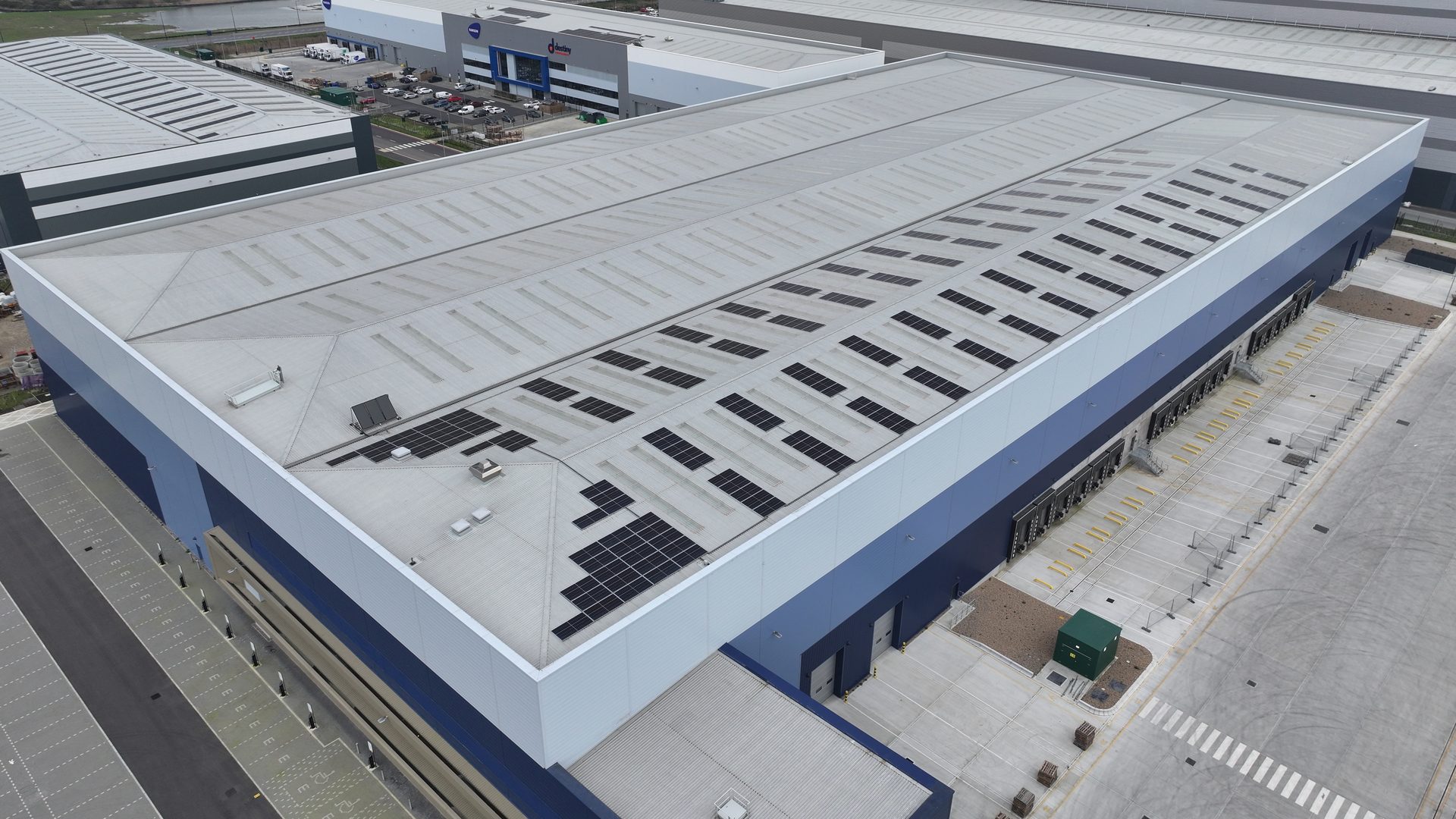
G99 Applications: What DNOs Actually Need from Your Structural Engineer
DNO application rejections delay commercial solar programmes by weeks. Most are avoidable. This article explains exactly what documentation a G99 application requires from a structural engineer, how MCS MIS 3002 Section 5.9 compliance interacts with the G99 process, and what DNOs are looking for.
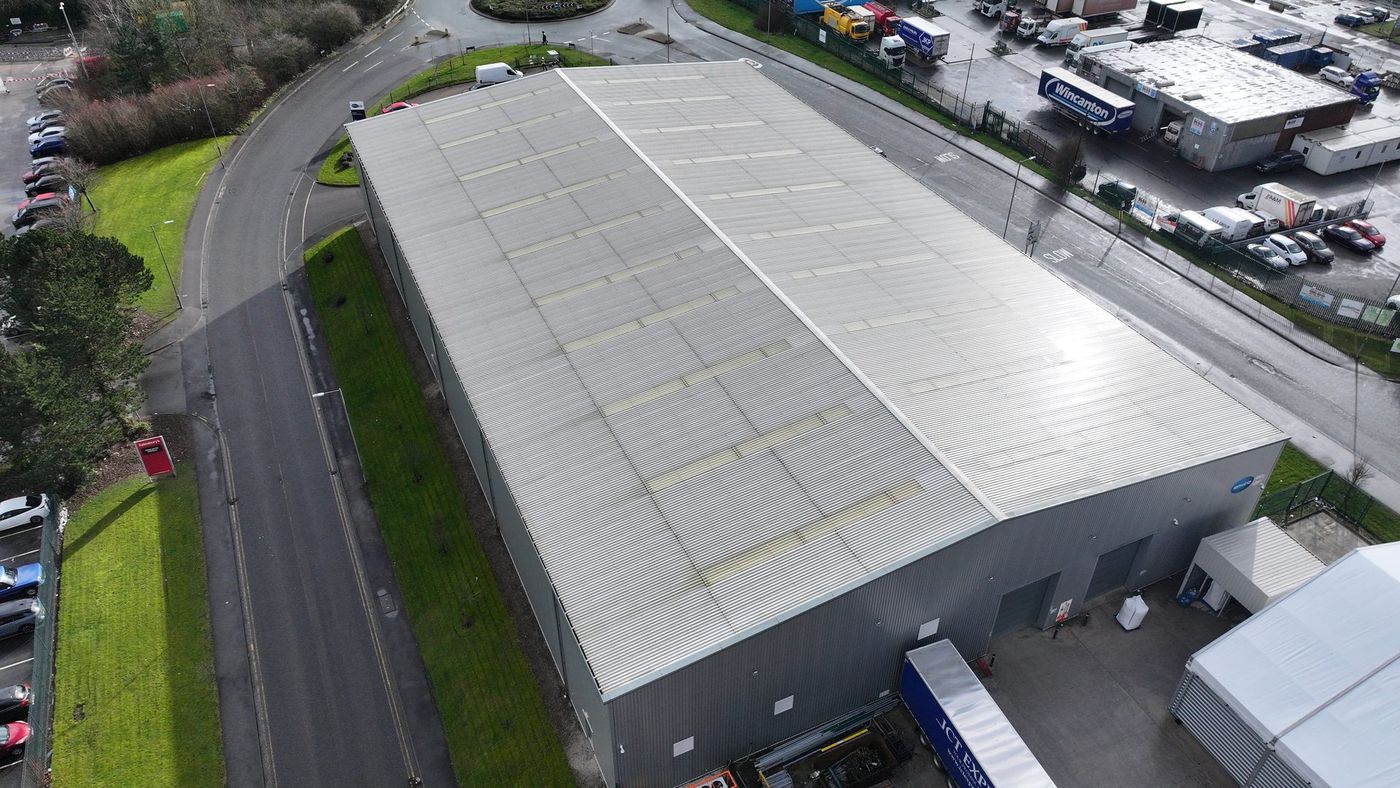
Running a Commercial Solar Portfolio Survey Programme: How to Avoid the Bottlenecks
When an asset manager or PPA provider needs 30, 50 or 200 buildings surveyed in a defined programme window, sequencing matters as much as capacity. This article covers how to structure a portfolio survey programme to avoid delays without compromising report quality.
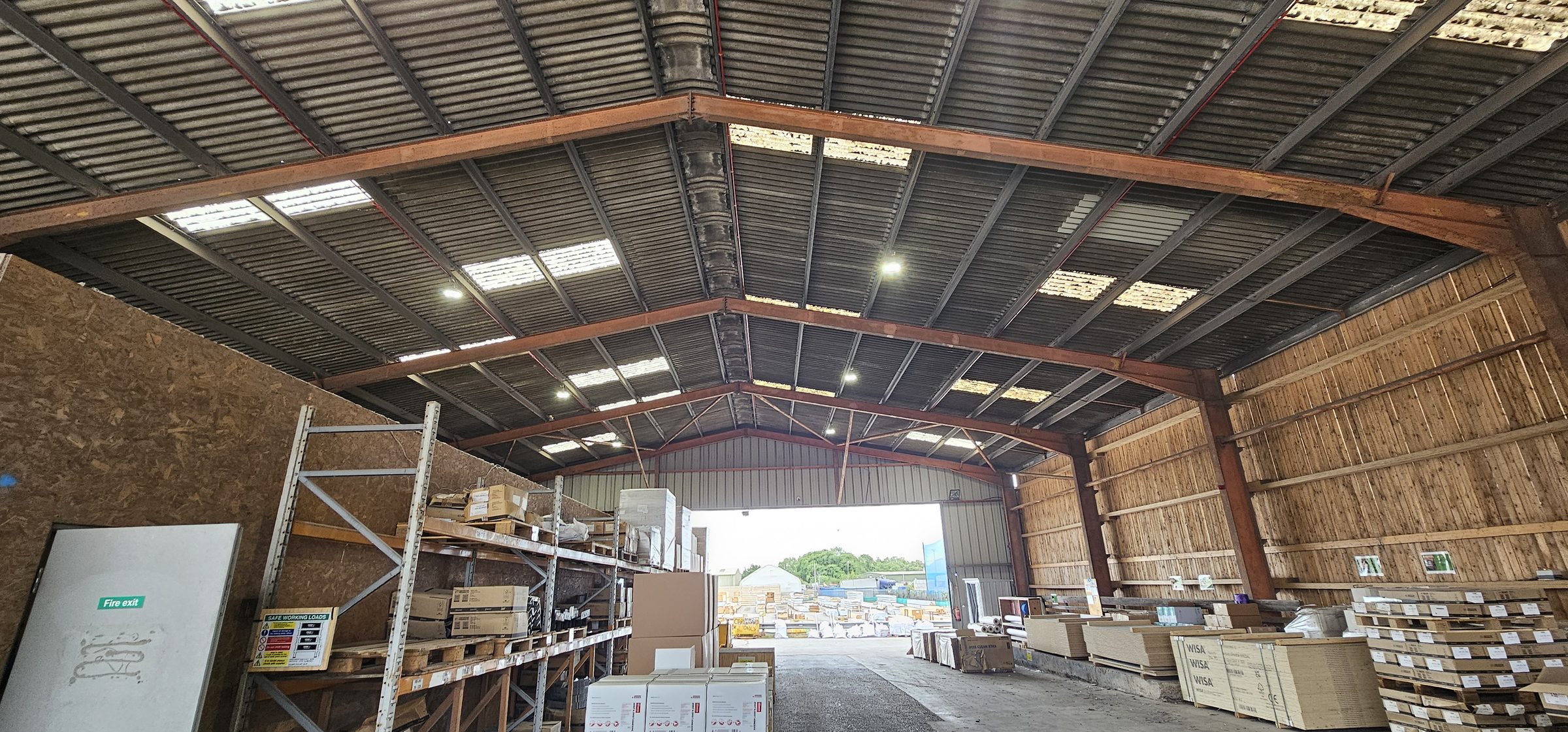
Asbestos Roofs and Solar PV: How Structural Assessments Handle Fragile and Hazardous Roof Systems
A significant proportion of the UK commercial building stock has asbestos-containing roof sheets. Solar PV installation on these buildings is possible: but requires a non-intrusive structural assessment approach and a controlled installation methodology.
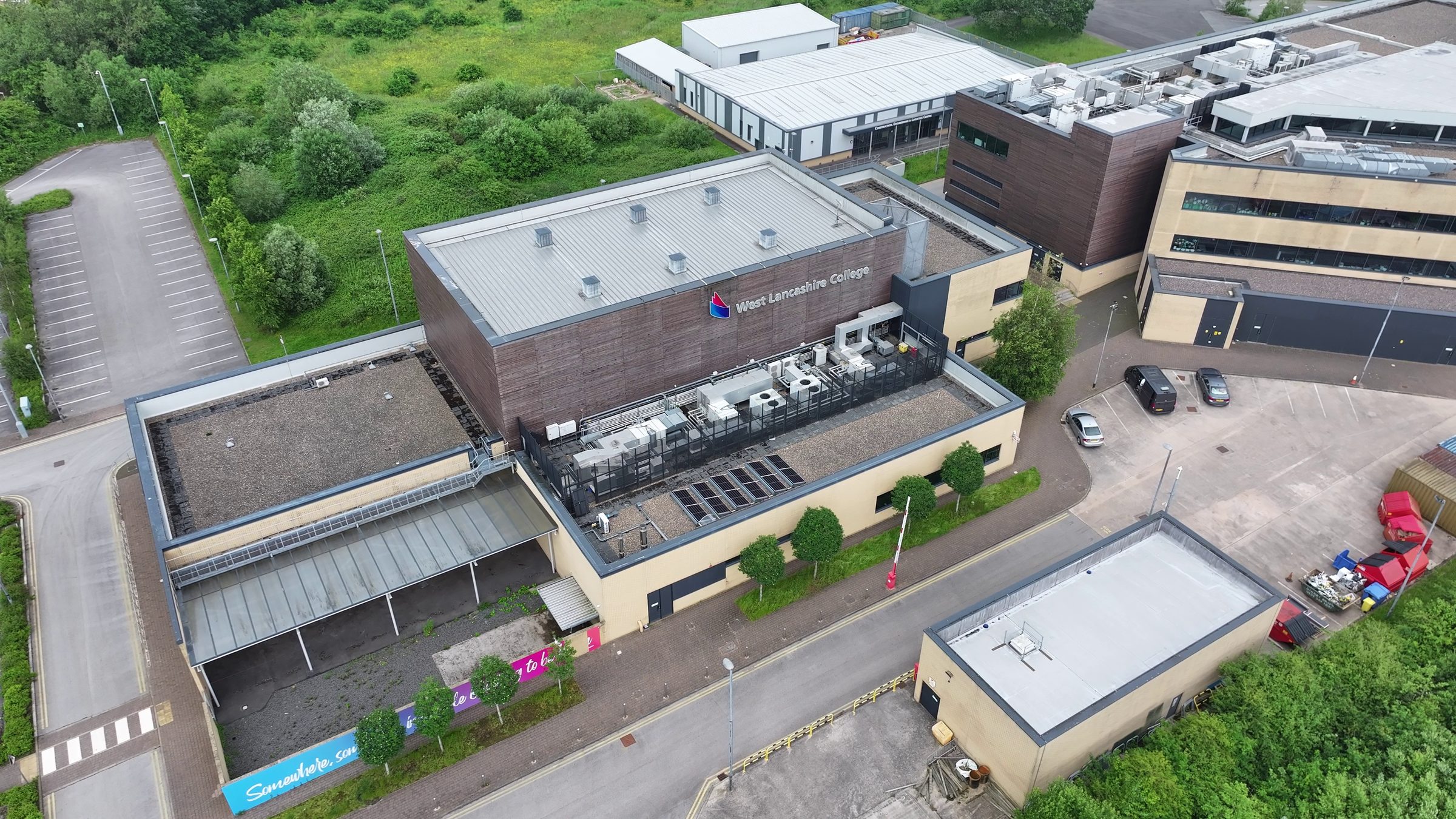
Lender-Accepted Structural Reports: What Finance Teams and Funders Require Before Drawdown
When commercial solar projects reach the finance stage, the structural engineer's report often becomes a critical document for drawdown approval. This article explains what lenders look for and how to avoid delays at the funding gate.
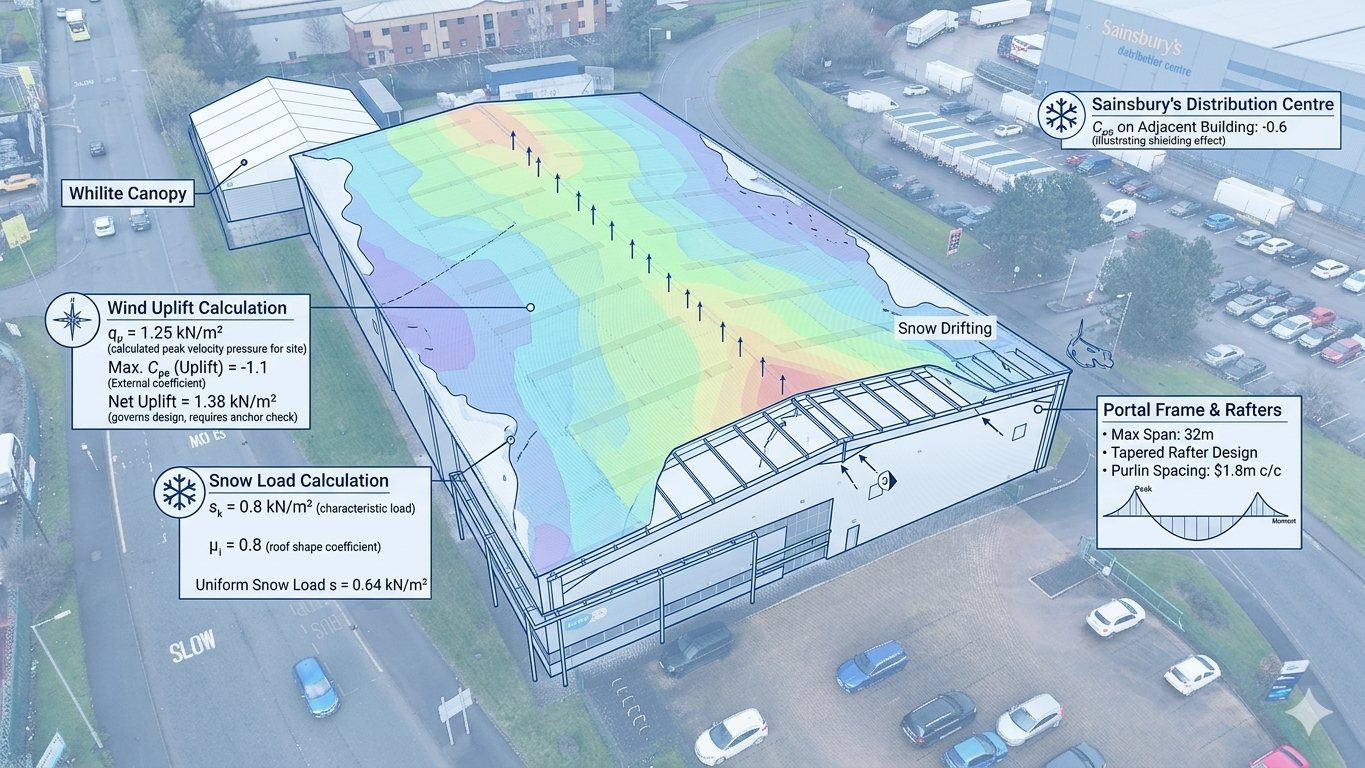
BRE Digest 489 and Wind Uplift for Solar PV: A Structural Engineer's Overview
Wind uplift is the primary structural risk for rooftop solar arrays on industrial and commercial buildings. BRE Digest 489 provides the accepted methodology for calculating uplift forces in the UK. This article explains how it applies to commercial PV installations.
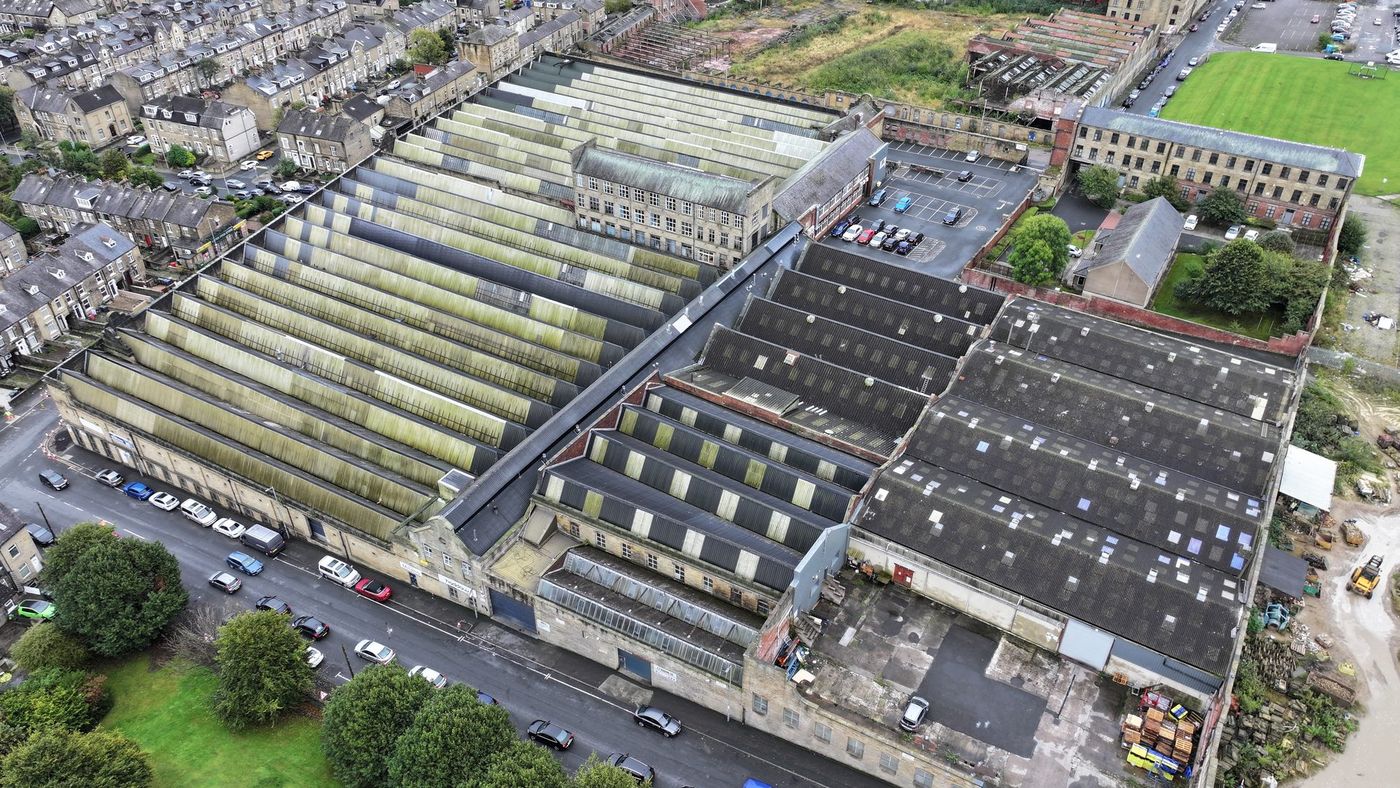
Commercial Solar PV and Planning Permission: When Is It Required and What Do You Need to Submit?
Not all commercial solar installations require planning permission, but the threshold rules are more nuanced than many developers expect. This article covers permitted development rights, the scenarios that trigger a full planning application, and what technical documents are typically required.
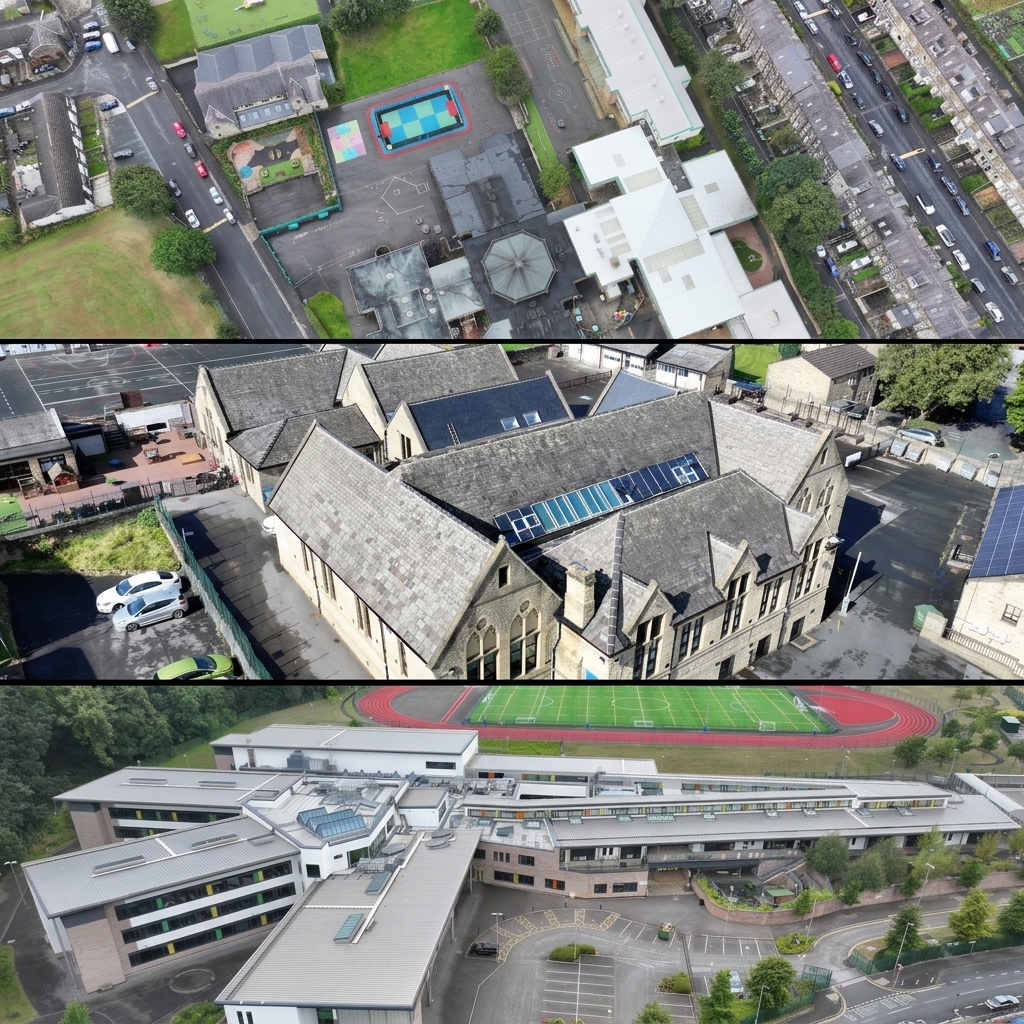
Solar PV Surveys on School and University Buildings: What Makes Education Sector Projects Different
Education buildings present unique structural survey challenges: mixed construction eras, flat and pitched roof combinations, occupied buildings requiring minimal disruption, and accelerated programme timelines driven by term dates.
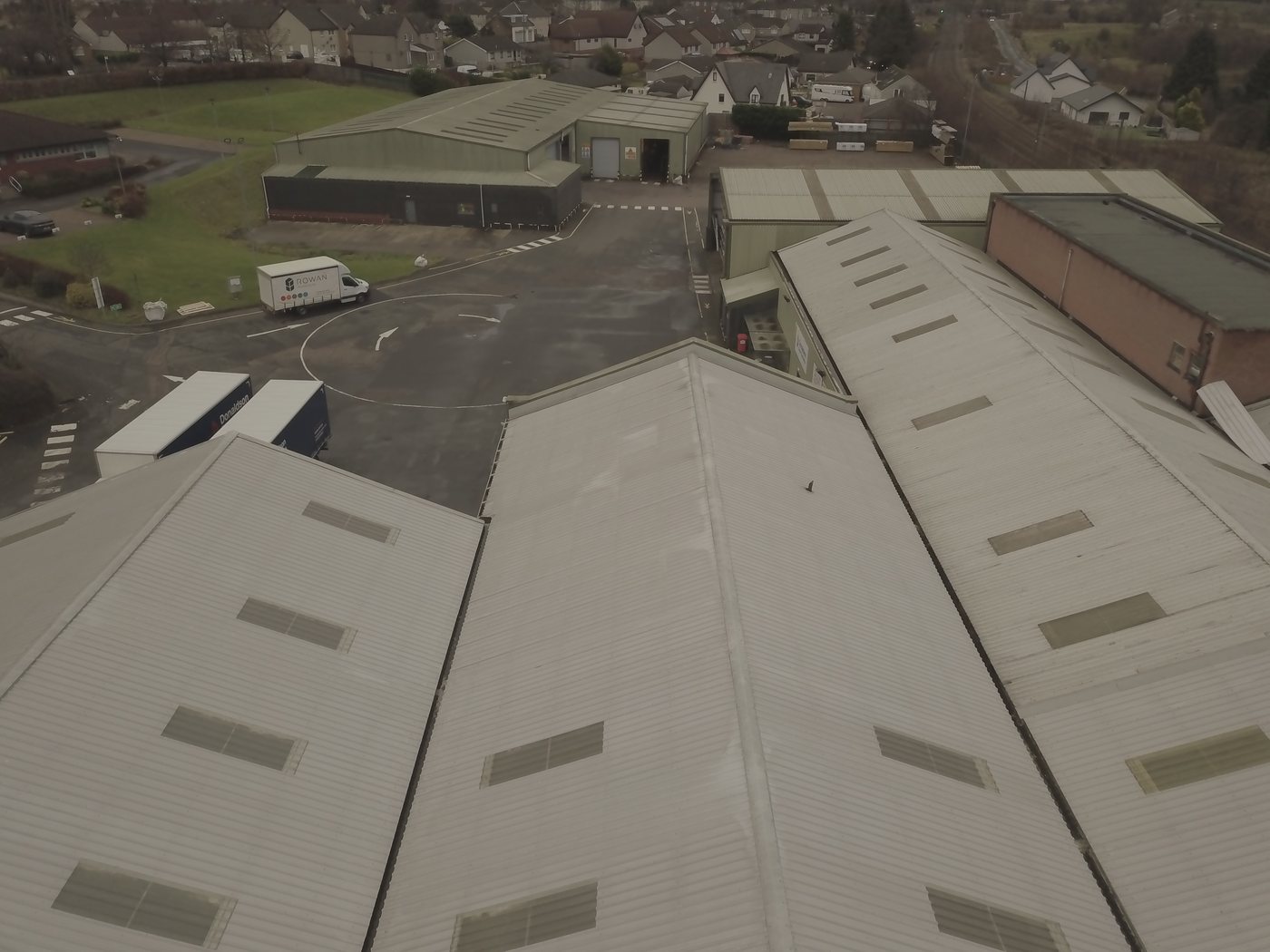
What Is a PPA and Why Do Power Purchase Agreement Providers Need Fast Structural Reports?
Power Purchase Agreements unlock commercial solar at scale: but PPA providers operate under tight feasibility windows. A slow structural assessment process can delay the entire pipeline. Here is how the PPA model works and why turnaround time on structural reports matters.
STAY CURRENT
New Articles Published Monthly.
Technical guides and industry commentary from our structural engineers, written for solar developers, EPC contractors, PPA providers and asset managers.
Follow on LinkedIn →Ready to Commission a Survey?
48-Hour Delivery Benchmark.
Structural surveys, Desktop Structural Roof Loading Reports and drone assessments for commercial solar PV, delivered across the UK and Europe.