Order a Desktop Structural Report Free Structural Pre-Check Tool
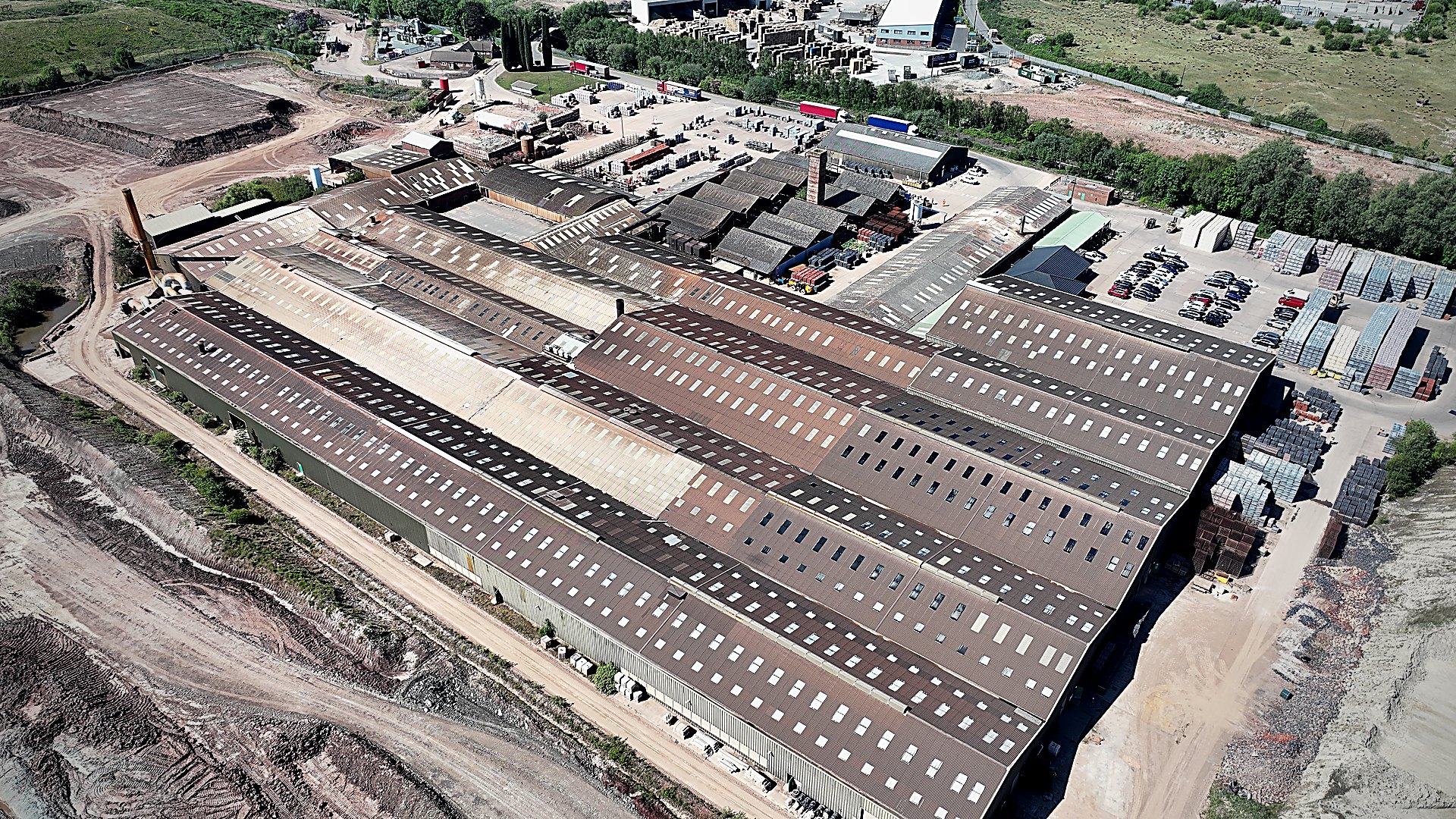
Aerial view of UK commercial roofs

Solar Surveys Research

Primary work, published in full

Research on the structural condition and capacity of UK commercial roofs. Every paper states its basis, publishes its data where it has data, sets out its limitations, and carries a citation block. Open, ungated, and reusable with attribution.

OpenNo registration CC BY 4.0Reuse with attribution CitedMethod and limits stated
01

Basis stated. Every paper says where its findings come from, and says plainly when it has no data.

02

Limits published. What the work does not establish is set out alongside what it does.

03

Citable. A citation block on every paper, so the work can be quoted accurately.

Papers

Published

Paper 02 · Capacity is spent, not renewed

A roof carries what it was designed for, less whatever has been added since. What accumulates, why it is invisible at instruction, and what to establish before adding more. August 2026 · Analysis of practice.

Paper 03 · The condition of Britain’s commercial roofs

82% of roofs where a condition assessment was carried out showed defects capable of affecting long-term waterproofing performance. What that means for anything mounted above them. August 2026 · 575 roofs. Condition assessed on approximately 90% of them.

Paper 04 · Assessing roofs that cannot be walked on

A fragile covering changes how a roof is assessed, not what must be established. What can be determined from above, what only from below, and what cannot be established without opening up. August 2026 · Method.

Paper 05 · Snow, altitude and the postcode problem

Ground snow load is derived from the site and rises with altitude. Where an assessment takes a postcode centroid as a proxy, the resulting load is wrong in one direction only. August 2026 · Analysis of BS EN 1991-1-3 and its UK National Annex.

Paper 06 · Where the prescribed check stops

A certification scheme prescribes what must be done inside its own scope. Where the boundary sits, what continues to apply beyond it, and why the engineering question is unchanged either side. August 2026 · Analysis of scheme scope.

Paper 08 · The documentation gap

Much British commercial stock has no original design information, and much of what survives no longer describes the building. What that absence forces, and what an appraisal rests on instead. August 2026 · Analysis of practice.

Paper 09 · The roof is not usually the constraint

Load added at roof level travels down through the frame to the ground. On multi-storey and altered stock the governing element is frequently along that path rather than at the top of it. August 2026 · Load paths in existing buildings.

Paper 10 · Asbestos cement and the uplift failure

It rarely fails on the weight of the array. It fails on wind uplift, and the fixings give way. 62% of asbestos cement roofs in the 575-roof dataset failed uplift assessment. August 2026 · 575 roofs. Figures published on the dataset.

Paper 11 · Ballast is a designed load, not a delivered quantity

On a ballasted flat roof the array is held by weight rather than fixings. That weight is an output of a site-specific calculation, and where it lands on the deck matters as much as how much there is. August 2026 · Analysis of wind actions and restraint.

Paper 12 · The cost of finding out late

The same structural finding costs different amounts depending on when it arrives. Before layout it is a design input; after installation it is a dispute. Why it is late, and how to move it earlier. August 2026 · Project sequence.

Dataset · PV Structural Feasibility 2026

Structural feasibility outcomes for 575 UK commercial rooftops assessed between 2024 and 2026. Full outcome distribution, roof type and sector composition, methodology, standards applied and stated limitations. August 2026 · 575 roofs.

Reference · Standards Library

The standards that govern structural assessment for rooftop load, each set out with what it covers and what it does not, including standards that have been withdrawn. Eight pages · Reference.

Method

How these are published

Papers are published when their basis is sound, not to a schedule. Where a finding cannot be stated together with its denominator and the basis on which cases entered the sample, it is held rather than published qualified.

Two figures appear across this series, and both carry their source

Where a paper states a proportion, the population it was drawn from and the way cases entered it are stated alongside. Where a paper has no data — and most of these do not — it says so in its basis section rather than implying otherwise. Several papers deliberately publish no values at all, because the quantities they discuss are properties of a specific site and a generic figure would be worse than none.

Corrections are welcome and will be made openly

If something here is wrong, or a figure needs a breakdown we have not published, ask. A correction on the record is worth more than a paper nobody checked.

Solar Surveys Research

Writing about this?

Every figure we publish carries its basis and its limits. If you need something clarified, a breakdown we have not published, or a point expanded, ask.