Order a Desktop Structural Report Free Structural Pre-Check Tool
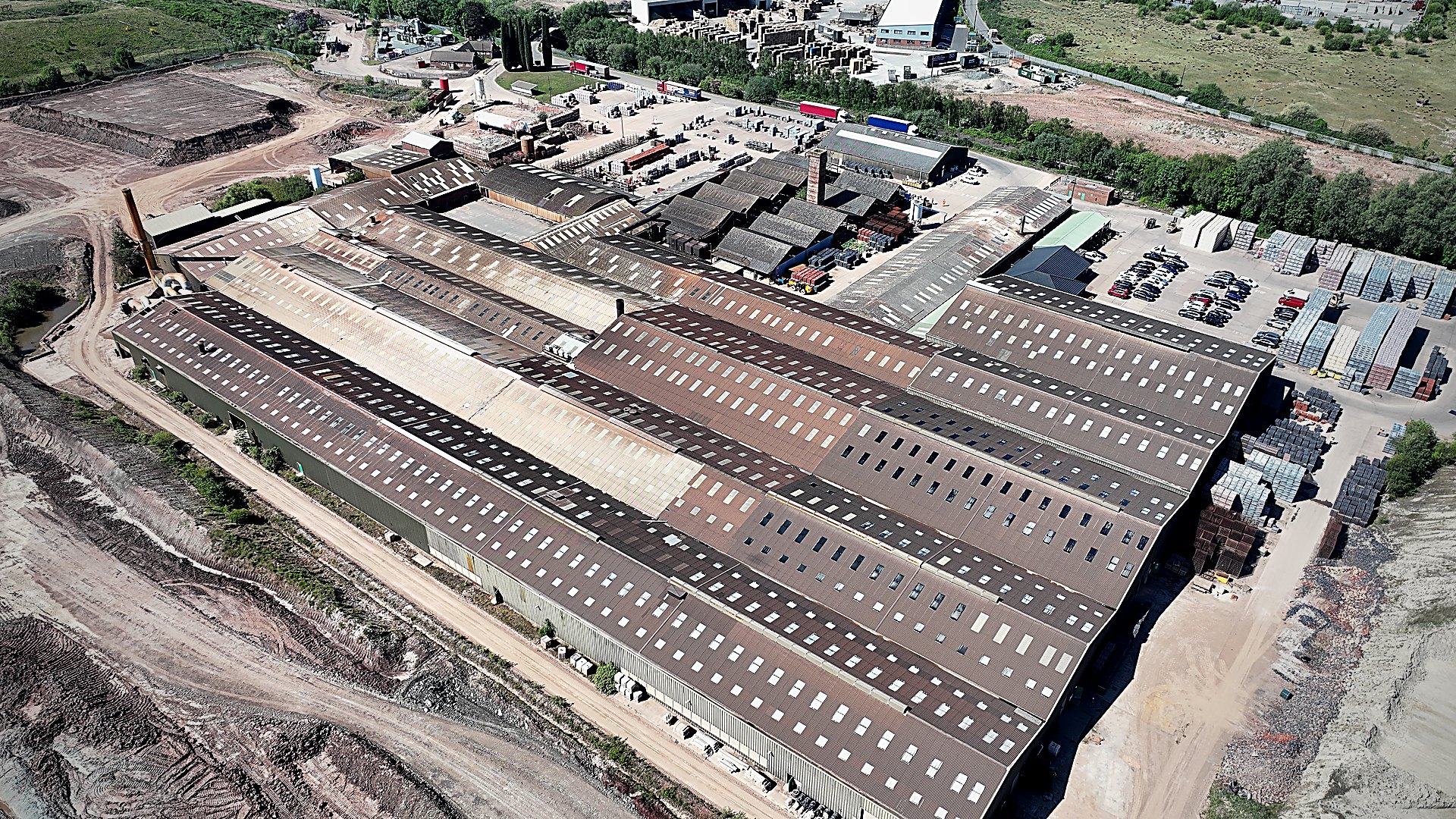
Aerial view of UK commercial roofs

Research · Paper 12 · August 2026

The cost of finding out late

The same structural finding costs different amounts depending on when it arrives. Discovered before a layout is fixed it is a design input. Discovered after commitment it is a variation, and after installation it is a dispute. Nothing about the finding changes; only its position in the sequence.

12Paper numberOpenNo registrationCC BY 4.0Reuse with attribution
01

The finding is identical at every stage. Its cost is not.

02

Layout is the cheapest variable and the first one to become fixed.

03

Roughly a third of roofs in our dataset needed intervention. Most were resolved by design change, not structural works.

01 · The sequence

Four points at which the same fact can arrive

A structural constraint on a roof exists from the moment the building does. When it is discovered determines what can be done about it.

Before layout is fixed

The constraint becomes an input. Modules move out of the affected zone, tilt or ballast arrangement changes, or the array is sized differently. Across the 575-roof dataset roughly a third of roofs required some form of engineering intervention, and most of those were resolved by adjusting layout, tilt or ballast rather than by structural works. At this stage that adjustment is free.

After layout is fixed but before commitment

The same adjustment is now rework. Drawings are revised, yield modelling is redone, and a commercial case built on a specific output has to be rebuilt on a smaller one.

After commitment

It becomes a variation, with the cost falling wherever the contract puts it. This is where the argument about who should have asked begins.

After installation

The array must be removed to do anything. The cost is now the works plus the removal plus the reinstatement plus the lost generation, and the question of liability is live.

02 · Why it is discovered late

No stage owns the question

The structural question sits between roles

The installer is engaged to install, the designer to maximise yield, the funder to appraise a financial case, and the building owner has no reason to assume the roof is in question. It is nobody’s deliverable by default, which is precisely how it goes unasked.

And nothing forces it above the scheme threshold

Where a certification scheme applies, a check is prescribed at a defined point. Above that scope nothing prescribes when the question is asked, so it is asked when somebody happens to raise it — which is often at the point a lender or insurer reads the pack.

The proposal that looks cheapest defers it

A scheme priced without an appraisal is cheaper on paper than one priced with it. The difference is not a saving; it is an unpriced risk that surfaces later, and later is where it is most expensive.

03 · What to do about it

Move the question earlier, not the standard

Ask before the layout is drawn, not after

A structural view at concept stage costs a fraction of one at variation stage and changes what gets drawn. It does not need to be a full appraisal to be useful at this point.

Treat a marginal answer as a design constraint

Conditional outcomes are the majority of interventions. They are solved with layout, tilt and ballast, and all three are cheap to change and expensive to revisit.

And put the appraisal in the pack

Where a lender, insurer or purchaser will read the documentation, an appraisal already in the pack prevents the late question entirely. That is the cheapest version of this whole problem.

04 · Basis and limitations

How this paper was prepared

Basis
The intervention proportion is drawn from the PV Structural Feasibility Dataset 2026, covering 575 UK commercial rooftops assessed between 2024 and 2026. The remainder is analysis of commercial practice.
Standards referenced
BS EN 1990; BS EN 1991-1-1; BS EN 1991-1-3; BS EN 1991-1-4 with the UK National Annex; BRE Digest 489.
Scope
Commercial and industrial rooftop projects in the United Kingdom.
No costs are published
This paper states no monetary figures at any stage. Costs are project-specific and depend on contract structure.
Not a contractual analysis
Where liability for a late finding falls is a matter for the contract and the parties, and is not addressed here.
Proportions describe a population
The intervention figure characterises the dataset. It does not indicate the outcome for any individual roof.

05 · Citation

Cite this paper

Suggested citation

Raihan, S. (2026) The Cost of Finding Out Late: When a Structural Finding Arrives. Solar Surveys Research, Paper 05. Solar Surveys Ltd. Available at: https://solarsurveys.co.uk/research/the-cost-of-finding-out-late

Published under Creative Commons Attribution 4.0. Reproduce, quote and build on this with attribution. Writing about it and want something clarified, or a point expanded? Ask. We would rather it was reported correctly than quickly.

Solar Surveys Research

Commission an appraisal

On-site structural surveys and roof condition assessments for commercial buildings across the UK, signed by a qualified structural engineer.