02 · Structuring the sample
Stratify first, or the number is meaningless
A random sample of an estate assumes the estate is homogeneous. Commercial estates almost never are, and the variation runs along axes that matter structurally.
Stratify by construction era
Pre-1980, 1980 to 2000, and post-2000 stock behave differently, are documented differently, and fail differently. A sample that does not distinguish them will produce an average that describes none of them.
Stratify by roof form and covering
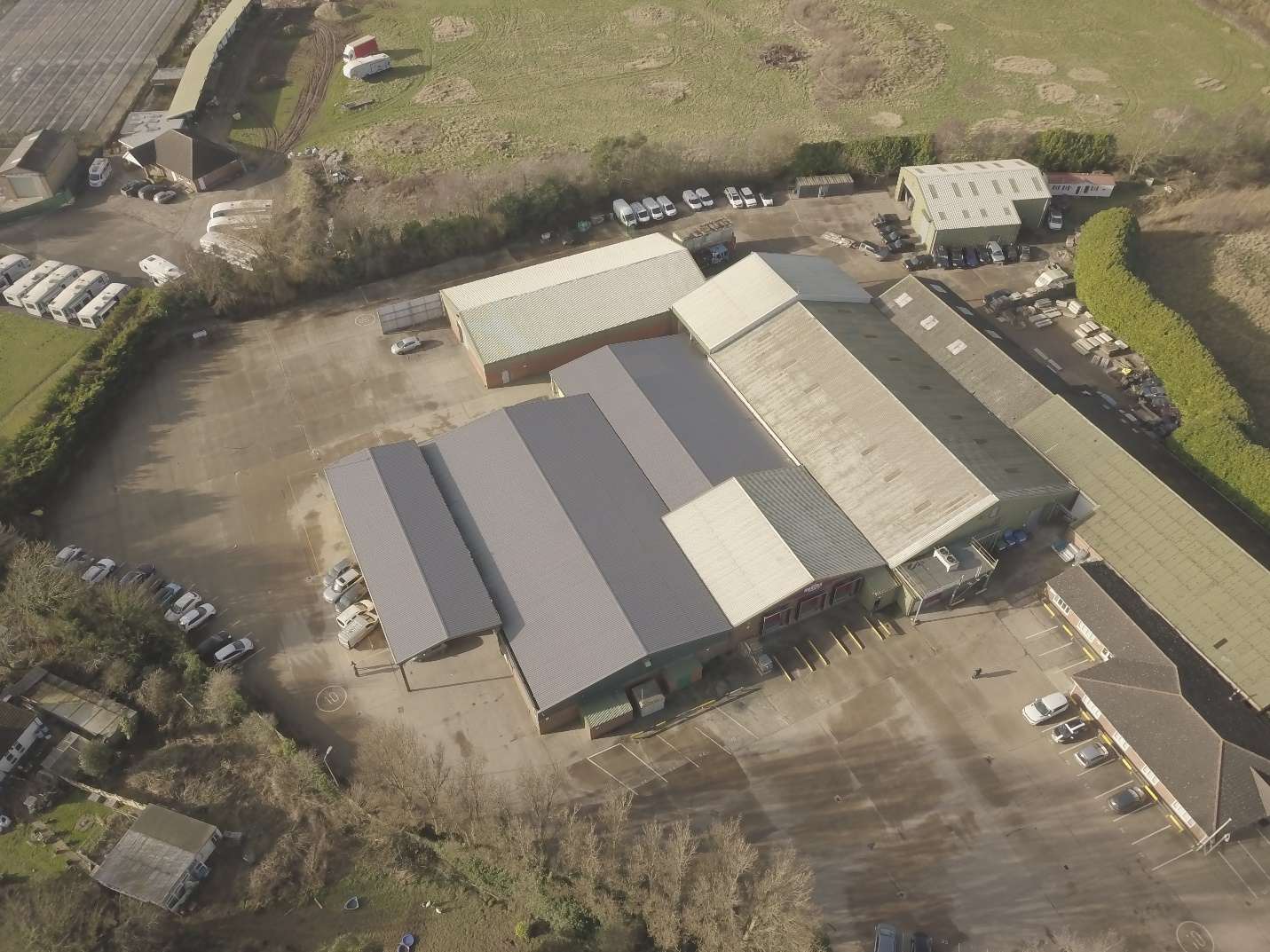
A profiled metal sheet on a portal frame, a ballasted flat roof, a north-light saw-tooth and a converted mill roof are four different problems. Averaging across them produces a figure that is arithmetically correct and practically useless.
Stratify by exposure and altitude
Under BS EN 1991-1-3 ground snow load is derived from the site and rises with altitude, and under BS EN 1991-1-4 wind demand varies with terrain and distance to shoreline. An estate spread across the country is not one loading environment. Two buildings of identical construction can return different answers for reasons that have nothing to do with the buildings.
And record what the strata actually are before sampling within them
The stratification is itself a useful deliverable. Frequently a portfolio owner does not know, in structured form, what they own — and establishing that costs little and changes how the rest of the programme is planned.