A commercial roof condition survey for solar pre-installation is a systematic engineering assessment of the roof envelope's current condition and its suitability for the proposed solar installation. It addresses questions that the structural survey does not: not whether the structure can carry the array, but whether the roof system is in a condition that supports safe, durable installation and long-term performance.
Commercial roofs deteriorate over time through exposure, weathering, maintenance, and loading. A roof that was in good condition when the building was constructed may be in a condition that creates significant risk for a solar installation 20 or 30 years later, not because the structure is inadequate, but because the membrane, cladding, drainage, or fixing substrate has deteriorated to a state where installation is inadvisable without remediation. The roof condition survey identifies and grades these issues before the installation decision is made.
When Is a Roof Condition Survey Required for Commercial Solar
A roof condition survey is not a mandatory pre-installation requirement for all commercial solar projects in the same way that a structural survey is mandated by MCS MIS 3002. However, it is recommended or required in several specific circumstances:
Older buildings. Buildings constructed more than 15 to 20 years ago are more likely to have accumulated condition issues that a pre-installation survey will identify. The older the building, the greater the likelihood of finding Category 1 or Category 2 defects that should be addressed before installation.
Lender or insurer requirements. Many project finance lenders include an independent roof condition survey in their technical due diligence requirements for commercial solar transactions. Insurance underwriters covering commercial solar installations increasingly request pre-installation condition surveys as a condition of coverage, particularly for older buildings.
Absence of recent maintenance records. Where the building owner cannot provide maintenance records showing that the roof has been inspected and maintained within the past three to five years, a pre-installation condition survey fills the condition knowledge gap.
Buildings with a history of leaks or drainage issues. Where the building owner or facilities manager has reported historical drainage problems or intermittent leaks, a pre-installation survey confirms the current status of those issues and establishes whether they have been adequately remediated.
What the Commercial Roof Condition Survey Covers
The scope of a commercial roof condition survey for solar pre-installation covers five primary assessment areas: membrane and weatherproofing integrity; drainage system condition and performance; structural indicators visible at roof level; existing roof-mounted services and penetrations; and fixing substrate condition relevant to the proposed fixing system.
Each assessment area is inspected systematically and documented with annotated photographs, location references on a site plan, and condition grading. The output is a comprehensive condition record that supports both the immediate installation decision and the long-term asset management of the building.
The drone survey is the most efficient tool for conducting the full-surface inspection on large commercial roofs. A manual inspection of a 3,000 m2 flat roof requires extensive access equipment, multiple inspectors, and significant time. A drone survey covers the same area in a fraction of the time, at higher resolution, and without requiring scaffolding, cherry picker hire, or roof access risk assessment for the survey team.
Membrane Integrity Assessment
The membrane integrity assessment identifies visible defects in the waterproofing system: splits, blisters, delamination, lap failures, and areas of exposed substrate. For single-ply membrane systems (TPO, PVC, EPDM), the assessment focuses on seam integrity, membrane adhesion to the substrate, and the condition of detail flashings at upstands, penetrations, and edge details. For built-up felt systems, the assessment examines lap adhesion, surface condition of the cap sheet, and the condition of any surface dressing.
For solar PV installations using ballasted mounting systems, membrane integrity is particularly important because the ballast blocks are placed directly on the membrane surface. A membrane with reduced surface integrity may be damaged by ballast block movement under wind loading, creating new defects at block edges. The membrane assessment identifies areas where additional protection measures, paver boards, anti-vibration pads, should be specified beneath ballast blocks.
Drainage Assessment
The drainage assessment maps all roof drainage points, inspects outlets for blockage or restriction, identifies areas of historical ponding from surface evidence, and assesses the adequacy of the drainage system relative to the roof area and the design rainfall intensity for the site location.
Solar PV installations have the potential to alter the drainage behaviour of the roof. Panel frames and mounting rails can redirect rainfall flow. Inter-panel gaps concentrate rainfall at specific lines. Debris accumulation beneath the array obstructs drainage outlets and channels. A drainage system that performs adequately on the pre-installation roof may prove inadequate after installation if the array layout is not designed with drainage implications in mind.
The pre-installation drainage assessment provides the design team with the information they need to specify the array layout in a way that minimises post-installation drainage risk. This may include specifying minimum inter-row spacing to maintain drainage channels, avoiding array coverage over drainage outlets, and designing mounting rails to allow rather than obstruct water flow.
Roof Services and Penetrations Mapping
The services and penetrations mapping produces a plan of all existing roof-mounted equipment, service penetrations, rooflights, vents, and access points. This plan is a critical input to array layout design because the available area for panel placement is determined not by the total roof area but by the total roof area minus the set-back distances required around each service and obstruction.
Accurate services mapping prevents the common problem of array layouts being designed to a theoretical coverage area that is not achievable given the actual distribution of services on the roof. Where the design team has had to reduce the array area after discovering obstructions during mobilisation, the reduction is invariably more costly and programme-disruptive than it would have been if the services mapping had been conducted at the pre-installation survey stage.
Fixing Substrate Condition
For mechanically fixed PV systems, the condition of the fixing substrate, the cladding, deck, or structural member into which the fixing is installed, determines the reliability of the fixing system. A fixing pull-through resistance that is calculated on the assumption of intact, full-thickness substrate may be significantly lower in practice if the substrate has been weakened by corrosion, impact damage, or moisture infiltration.
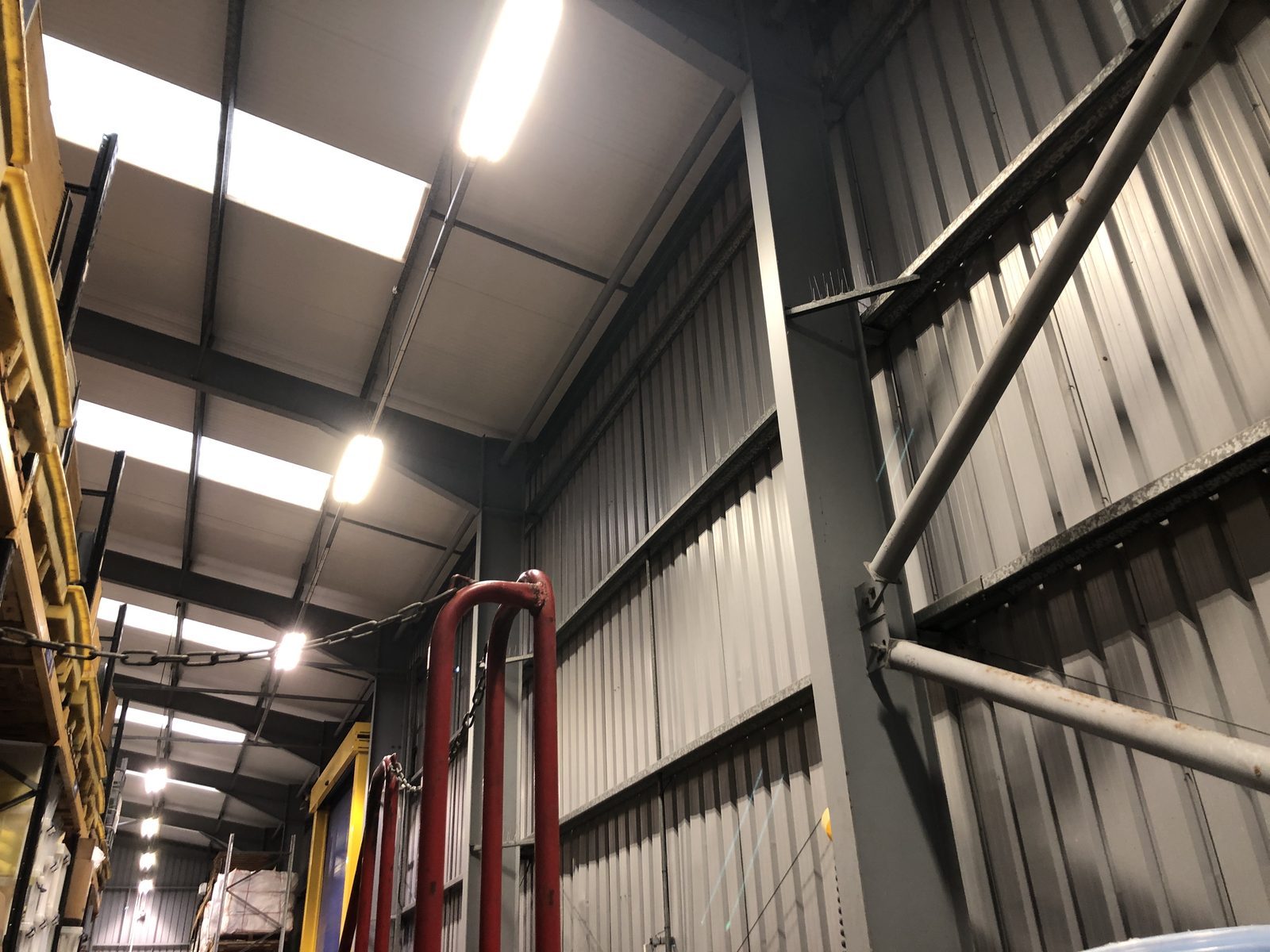
The drone survey identifies areas of substrate concern: cladding sheets with apparent thickness reduction from corrosion, deck areas with surface damage, and purlin zones where corrosion products are visible at fixing heads. These findings inform the fixing specification: whether additional fixings are required to compensate for reduced substrate integrity in specific zones, whether alternative fixing systems should be considered, and whether any substrate reinforcement works should precede installation.
Scope Definition: What Pre-Installation Condition Surveys Cover
The scope of a pre-installation roof condition survey for solar PV is distinct from the scope of a general building maintenance survey, and defining the scope correctly at instruction stage ensures that the survey delivers findings that are directly relevant to the solar installation decision rather than a general condition record that leaves installation-specific questions unanswered.
A solar-specific pre-installation condition survey addresses four questions that a general maintenance survey does not frame in PV-specific terms: Is the roof structurally capable of accepting the proposed PV loading? Is the roof surface in adequate condition to accept through-fixings or ballasted racking without compromising weathertightness? Are there specific areas of the roof where installation should not proceed due to condition or structural concerns? What remediation, if any, is required before installation can safely proceed? A pre-installation survey that does not explicitly address these four questions may satisfy the building owner’s maintenance record requirement without providing the EPC contractor with the specific information they need to proceed.
The physical scope of the survey should cover the full proposed array footprint plus a defined buffer zone around its perimeter. The buffer zone is important because edge zones adjacent to the array boundary are the locations where wind uplift is highest and where racking fixings are most heavily loaded, and the condition of the roof in these zones directly affects whether standard or enhanced fixing is achievable. A condition survey that covers only the direct array footprint and not the adjacent edge zones provides an incomplete picture of the fixing substrate conditions.
Drainage infrastructure is a specific scope item that must be explicitly included in the pre-installation condition survey. Blocked or undersized drainage outlets create ponding that accelerates membrane deterioration and adds dead load in rainfall events, both of which affect the installation’s structural and weathertightness performance. The survey should record the number, size, and condition of each drainage outlet in and adjacent to the proposed array zone, and should note any evidence of ponding from recent rainfall events.
Condition Survey Findings That Affect EPC Contract Terms
Pre-installation condition survey findings frequently have direct commercial implications for the EPC contract between the developer and the building owner. Where the survey identifies roof condition issues that require remediation before installation can proceed, the contract must address who is responsible for funding and arranging the remediation, and how the discovery of remediation requirements affects the installation programme and the contract price.
The most common EPC contract implication of a condition survey finding is a pre-conditions clause that requires the building owner to complete specified roof works before the EPC contractor begins installation. Typical pre-conditions include blocked drainage clearance, replacement of displaced or damaged roof sheets in the installation zone, repair of failed lap sealants in the array footprint, and remediation of any structural defects identified in the structural assessment. These pre-conditions should be stated in the EPC contract with sufficient specificity that the building owner understands what they are responsible for completing, and with a milestone date that must be met before the EPC contractor is obliged to commence installation.
Where the condition survey identifies defects of a scale or type that would require significant roof remediation before installation is viable, large areas of membrane failure, significant structural deterioration, or widespread asbestos cement deterioration, the EPC contractor may need to reassess the project viability and the contract price. Condition survey findings of this scale, if discovered after an EPC contract has been signed on the basis of an incomplete or no pre-installation survey, create contract disputes about risk allocation and remediation costs that could have been avoided by completing the survey before contract execution. The commercial case for pre-contract condition surveys is therefore not just technical, it directly protects both parties from contract disputes arising from post-contract discoveries.
A commercial roof condition survey for solar pre-installation should be commissioned before system design is finalised, not after. If a survey identifies defects in the proposed array zone, those defects may require remediation before installation can proceed, and the remediation scope may affect the panel layout, the fixing specification, or the project economics. Commissioning the survey at feasibility stage, when design is still flexible, eliminates the programme risk of discovering roof defects after design cost has been committed.
WHERE SOLAR SURVEYS ADDS VALUE
COMMERCIAL ROOF CONDITION SURVEYS, FULL SCOPE, 48-HOUR DELIVERY
Solar Surveys commercial roof condition surveys cover all five assessment areas: membrane integrity, drainage, structural indicators, services mapping, and fixing substrate condition. Every finding is classified by severity, annotated with photographic evidence, and located on a site plan. Reports include a solar PV installation implications section with specific recommendations for the installation team. Combined with structural survey for a single site visit and coordinated report output.
CLIENT PROFILE
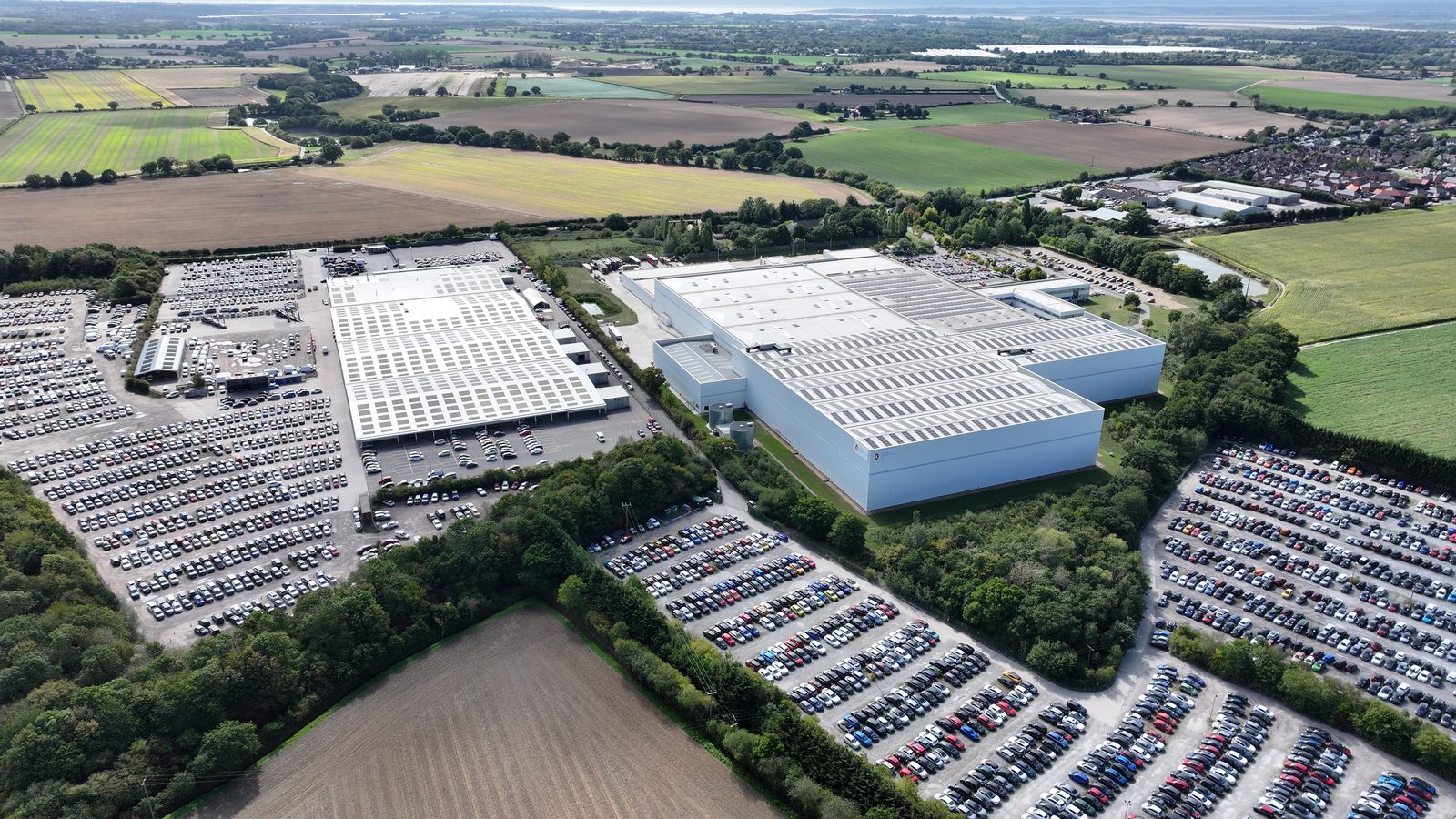
A PPA provider conducting pre-installation due diligence on a 2002 flat-roofed distribution warehouse commissioned a commercial roof condition survey as part of the technical package required by their finance partner. The survey identified adequate membrane condition overall but flagged Category 2 sealant failure at three penetration details, inadequate drainage fall across a 400 m2 section of the western roof quadrant, and two areas where HVAC vibration had caused cladding fastener loosening. The installation design team incorporated drain channel adjustments into the array layout for the western section, specified mechanically-assisted sealant repairs at the penetration details before installation, and avoided the fastener-compromised zones in the fixing schedule. The finance partner accepted the survey report with no additional queries.
Survey Report Format and Actionability
A roof condition survey report produced specifically for solar pre-installation must be structured to inform two distinct audiences: the solar installation project team (who need to know what works must be completed before installation and what exclusion zones must be incorporated into the array layout), and the building owner's asset manager (who needs to understand the full condition of the roof asset and prioritise remediation spend).
A well-structured pre-installation roof condition report contains three key sections:
Installation clearance section: A traffic-light summary, green (no pre-installation works required), amber (works required before installation in specific areas), red (installation not viable without major remediation). This section is written for the project manager and installer, not for a roofing expert.
Array layout implications section: A list of specific exclusions and constraints on the array layout arising from the survey, drainage channels that must be kept clear, fragile areas that must be excluded, rooflight proximity setbacks, and any areas where additional structural investigation is recommended before panels can be placed. This section is the direct input to the array design process.
Full condition schedule: The complete defect schedule, all defects identified, classified by severity, with location references and remediation recommendations. This section serves the long-term asset management purpose and would be included in any roof condition survey regardless of the solar context.
Co-ordinating Survey Findings with the Structural Assessment
The roof condition survey and the structural assessment are complementary workstreams that should exchange information. Key data flows:
Survey to structural: Roof condition survey findings that affect structural assessment inputs, moisture in insulation (affecting dead load assumptions), evidence of structural damage or unusual deflection (requiring structural investigation), drainage patterns (informing ponding load assessment). The structural engineer should receive the condition survey report before finalising their loading calculations.
Structural to survey: Structural assessment findings that affect remediation scoping, where the structural assessment identifies marginal purlin capacity in a specific area, the condition surveyor can check that area during the survey for signs of existing distress that might explain the marginal performance.
In practice, the most efficient approach is for the roof condition survey and structural assessment to be commissioned simultaneously, with findings exchanged at a mid-point review before either report is finalised. This co-ordination takes one day of project management time and can save the client from commissioning supplementary work that either discipline identifies as necessary after their initial report.
Thermographic Roof Survey: When to Add It
A standard visual roof condition survey does not detect moisture within the roof build-up, only surface defects. For commercial roofs over 15 years old, or where the condition survey identifies surface evidence of past moisture ingress (tide marks, failed repairs, areas of soft or springy membrane), a thermographic survey should be added to the scope.
Thermographic surveys must be commissioned to IRT Level II thermographer standard and conducted in appropriate survey conditions (post-sunset, following a clear day with adequate solar charging of the roof surface). The thermographic report should be issued alongside the visual condition report, so that both data sets are available to the structural engineer and project team at the same time.
The cost of adding thermographic to a visual roof condition survey is typically 30-50% of the base visual survey cost, a modest addition that can identify moisture distribution not visible from the surface. For roofs where the solar project is marginal on structural capacity, discovering that significant areas of insulation are saturated could be the factor that changes the assessment outcome from viable to not viable, and the sooner this is known, the less expensive the project consequence.
THE STRUCTURAL TRINITY
Three Reports That Clear a Commercial Solar Site for Installation
READY TO COMMISSION
Get a Quote in 24 Hours.
Structural surveys, Desktop Structural Roof Loading Reports, drone assessments and solar design packages, delivered to a 48-hour benchmark.
Get a Quote