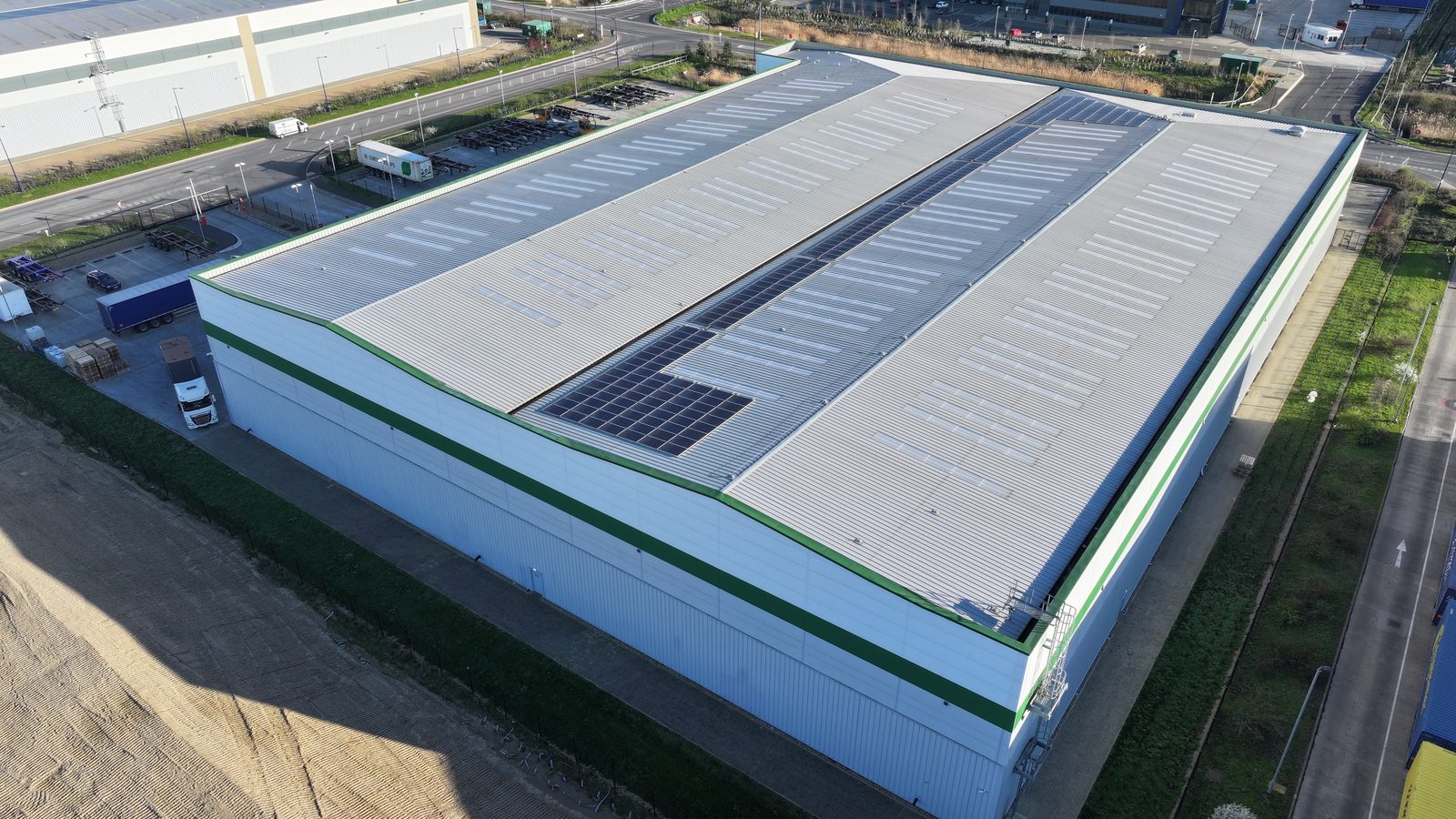
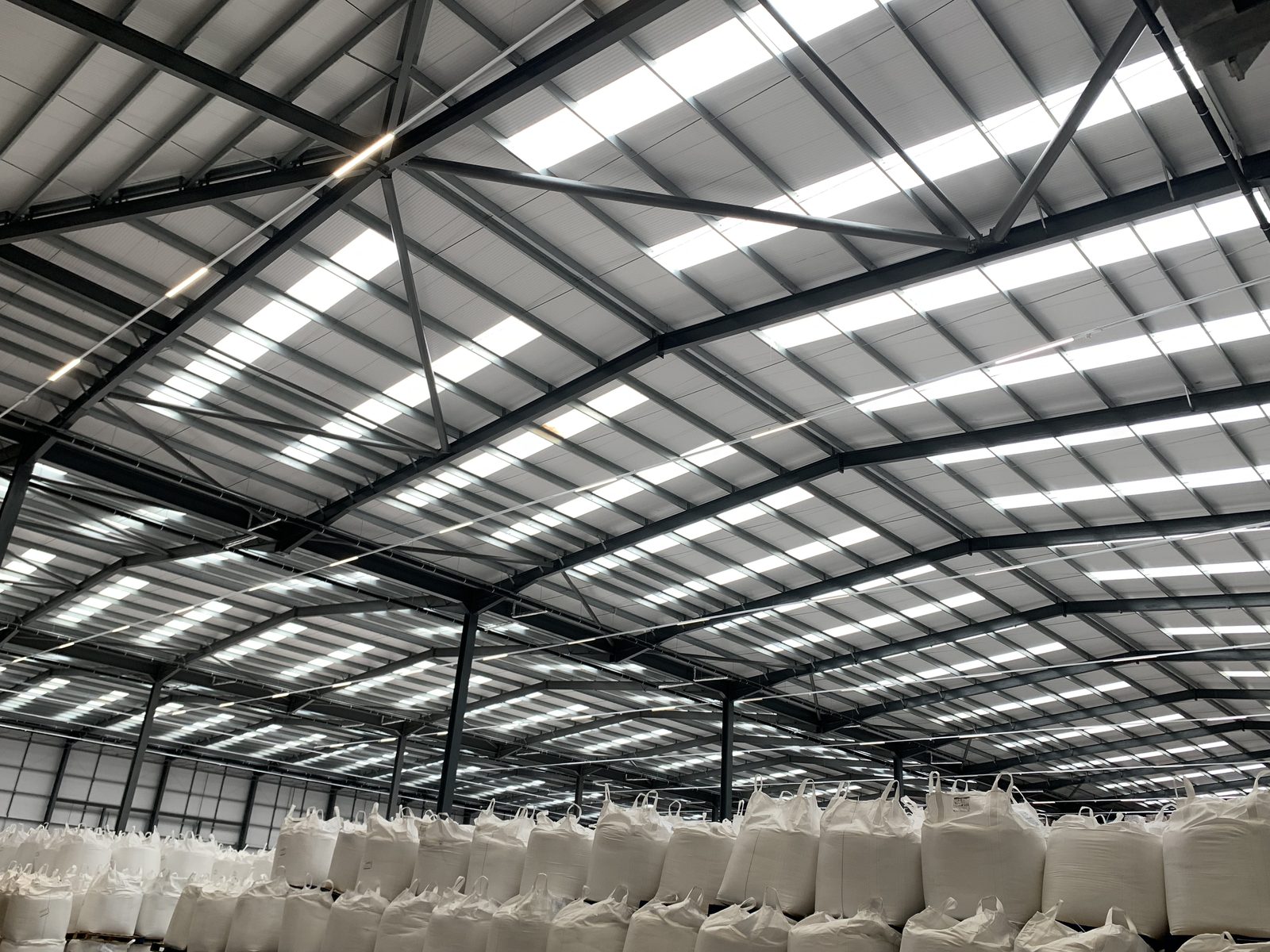
For UK commercial solar PV the answer is yes in almost every case. The regulatory framework is built around the principle that any rooftop intervention adding load to an existing building must be supported by structural evidence. This guide explains the specific triggers under MIS 3002 V6.0, Building Regulations Approved Document A, and the relevant Eurocode standards, and outlines what counts as a compliant assessment for a UK commercial PV installation in 2026.
The regulatory environment is currently transitioning. MIS 3002 V6.0 was issued on 18 March 2026 and becomes mandatory on 18 June 2026. From that date, the evidential standard for structural sign-off rises substantially: V6.0 requires documented evidence of structural assessment, where V5.0 only required written confirmation. Software-only outputs alone are no longer sufficient; the practical requirement is an engineer-signed report.
The Universal Trigger: MIS 3002 Section 5.9.4
Section 5.9.4 sets the baseline. It states that the MCS Contractor SHALL ensure that the roof structure has been checked by a suitably competent person prior to installation. The clause applies to every domestic and commercial install within MCS scope (sub-50kWp DC). The threshold is a check by a suitably competent person; for many residential installs that competent person can be the installer's structural engineer or a desktop assessment. For commercial work, the practical reading is consistently a desktop or on-site report from a qualified structural engineer.
The Trigger List: MIS 3002 Section 5.9.6
Section 5.9.6 names seven roof conditions that mandate a qualified structural engineer regardless of system size:
- Hipped roofs
- Valley roofs
- Asymmetric duo-pitched roofs
- Dormers
- Parapets
- Roofs with pitch below 30 degrees
- Any roof showing signs of structural distress
For UK commercial solar PV the relevant triggers are typically pitch below 30 degrees (almost all logistics warehouse roofs), parapets (common on retail and public-sector estate), and signs of structural distress (visible deflection, corrosion, water ingress, or previous unauthorised modifications). Any one of these features moves the project from competent-person territory to qualified structural engineer required.
The Absolute Clause: 5.9.13(h)
Section 5.9.13(h) covers ballasted flat-roof systems specifically. It states that a qualified structural engineer SHALL be consulted to assess the imposed load from the array AND the ballast on the roof structure. There is no discretion. Every flat-roof ballasted system requires a qualified structural engineer regardless of size or specification. In the commercial sector, this single clause drives the largest share of mandatory structural engineer involvement: ballasted systems are common across logistics, retail and industrial estate.
Above MCS Scope: Building Regulations and Eurocode
For commercial PV systems above 50kWp DC, MCS does not apply but structural evidence is still required. The framework reverts to Building Regulations Approved Document A (Structure) in England and Wales, the equivalent Section 1 Structure under the Scottish Technical Handbook, and Technical Booklet D under the Building Regulations (Northern Ireland) 2012. The duty is the same: the structure must remain adequate under the loads it is reasonably expected to carry, with the proposed PV addition installed.
The calculation framework for any UK commercial PV is Eurocode 1: BS EN 1991-1-3 (snow), BS EN 1991-1-4 (wind, with UK National Annex), BS EN 1990 (load combinations), and BRE Digest 489 (2014) for PV-specific wind pressure coefficients. BS 6399-2:1997 was withdrawn in 2010 and is no longer a valid reference standard.
From 18 June 2026, V6.0 requires documented evidence of structural assessment. Confirmation can be a single line on a checklist; documented evidence is the report itself. Software-only outputs alone are no longer sufficient.
What Counts as a Compliant Structural Assessment
A compliant pre-installation structural assessment includes: identification of the building and the proposed array specification, the calculation basis (Eurocode 1 with UK National Annex, BRE Digest 489 PV-specific coefficients), the inputs (architectural drawings, site inspection findings, historic survey data), the load combination analysis, a finding section with pass, conditional or fail determination, and an engineer signature with date. The report should reference the standards used explicitly. Reports that cite BS 6399 should be treated with caution: that standard was withdrawn in 2010.
Where Solar Surveys Helps
For desktop screening start with the desktop structural roof loading report. For on-site engineering see structural surveys. For the regulatory framework in detail see MCS compliance. For the cross-product hub see the UK structural engineer hub. To commission a survey see contact.
THE STRUCTURAL TRINITY
Three Reports That Clear a Commercial Solar Site for Installation
READY TO COMMISSION
Get a Quote in 24 Hours.
Structural surveys, Desktop Structural Roof Loading Reports, drone assessments and solar design packages, delivered to a 48-hour benchmark.
Get a Quote