Solar panel inspection covers significantly more than the visible condition of the modules. For commercial solar PV installed on UK rooftops, an engineer-reviewed inspection assesses panel surface condition, soiling and shading, ballast displacement on flat-roof systems, fixing migration, frame integrity, and the weather-tightness of the substrate around penetrations and ballast pads. The output is a signed condition report formatted for asset manager, insurer and lender review.
Periodic solar panel inspection is increasingly part of asset management practice across UK commercial PV portfolios. The driver is partly insurance documentation, partly capex planning, and partly safety: ballast displacement on flat-roof systems and fixing migration on metal sheet roofs are the two most common in-life structural issues, and both are visible from above before they become an underwriting problem.
What an Engineer-Reviewed Solar Panel Inspection Covers
The deliverable spans six engineering domains, all interpreted by qualified structural engineering staff:
- Panel surface condition. Soiling rates, hot-spot indicators, frame corrosion, glass surface integrity, micro-crack visible signatures
- Ballast and fixings. Ballast block displacement on flat-roof ballasted systems, perimeter pad migration, fixing pull-out indicators on penetrating systems, clamp seating on standing-seam systems
- Substrate integrity around the array. Membrane condition under and around ballast pads, condensation traces at penetrations, lifted membrane sections, deterioration in the lap seam zone
- Drainage performance. Roof outlet condition with array installed, drift accumulation behind parapets and array rows, valley gutter integrity
- Structural flags. Visible deflection in the roof surface under the array footprint, signs of historic intervention or replacement
- Service life estimate. Estimated remaining roof covering life relative to the PV design life, capex priority ranking
When Periodic Solar Panel Inspection Is Required
Three operational contexts drive periodic inspection across UK commercial PV portfolios. The first is insurance documentation: pre-renewal condition records support premium negotiation, and post-event forensic surveys document storm damage with timestamped, georeferenced drone imagery. The second is asset management capex planning: rolling inspection across the portfolio identifies which sites need intervention and when, supporting board-level capex prioritisation. The third is regulatory and safety: ballast displacement and fixing migration become a working-at-height hazard if left unmonitored, and inspection at five-year intervals (or after significant weather events) is increasingly standard in commercial property fund operating standards.
Drone-Led vs Walkover Inspection
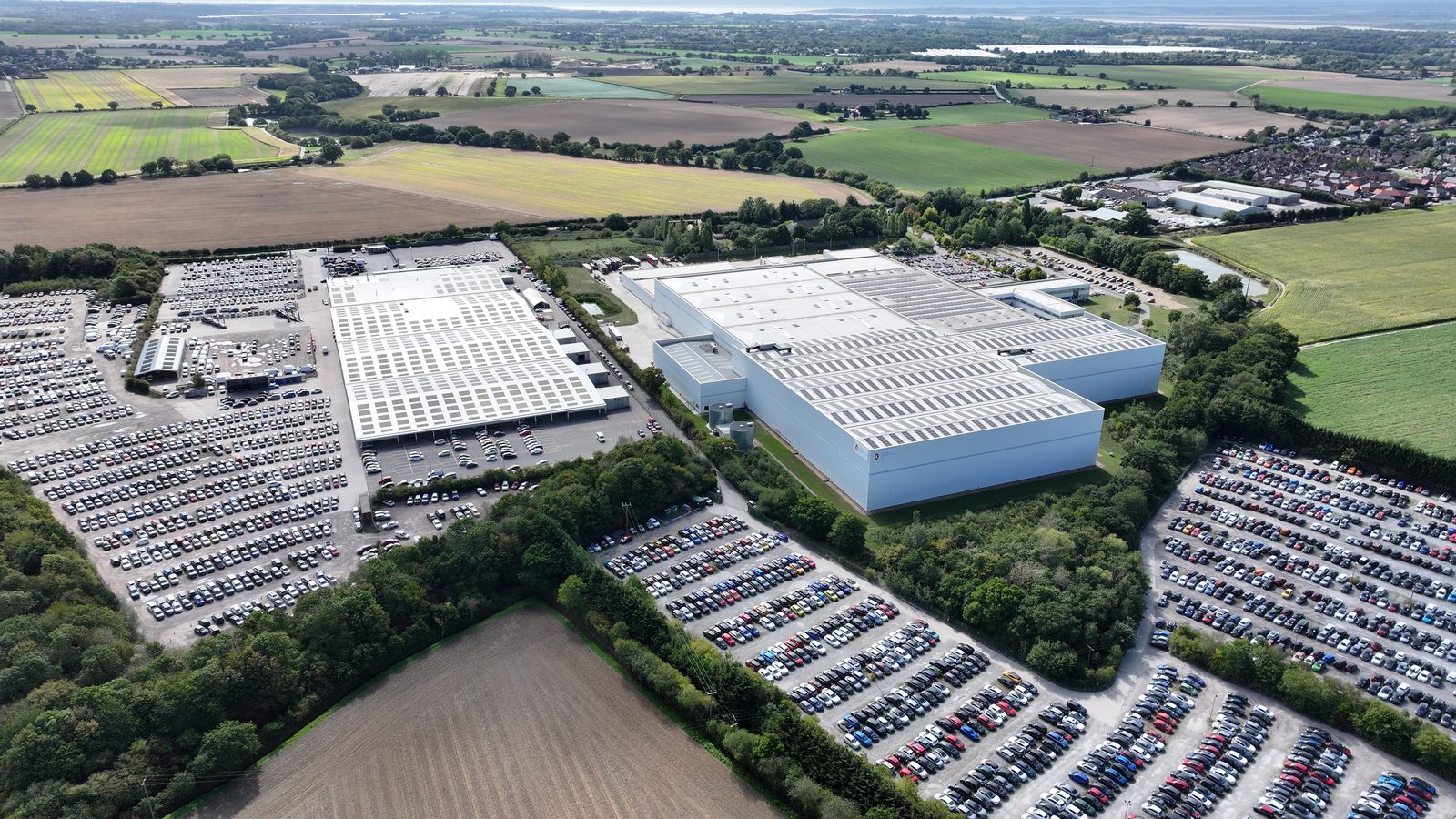
For inspection of installed PV arrays, drone-led capture has become the default UK practice. Walkover inspection on a flat-roof ballasted system is operationally constrained: the array footprint occupies most of the roof surface, and walking between rows is slow and exposes inspection staff to working-at-height risk near roof edges. Drone capture covers the full array in 30 to 60 minutes from the ground or from a standoff position, produces higher-resolution imagery than walkover photography, and eliminates the working-at-height hazard. The drone is the data-capture instrument; the report is signed by qualified structural engineering staff who interpret the imagery against the inspection framework.
Asset managers operating 30 to 100 commercial PV sites typically run rolling inspection programmes on a five-year cycle, with priority re-inspection after significant weather events. The 48-hour delivery benchmark holds at portfolio scale.
What the Report Should Look Like
An engineer-reviewed solar panel inspection report runs typically 8 to 16 pages per building plus annotated drone imagery keyed to a roof plan. The structure: site identification, inspection methodology and date, finding summary against the six engineering domains above, defect schedule with priority ranking, remaining service life estimate, photographic appendix. The report is signed by a qualified structural engineer with £5M Professional Indemnity. The drone operations carry £25M public liability cover. Reports are produced in formats accepted by commercial property insurers, asset management oversight teams, and PPA technical advisors.
Where Solar Surveys Helps
Solar panel inspection sits within the commercial roof inspection service. For pre-installation structural sign-off see structural surveys. For drone roof condition assessment more broadly see drone roof survey. For pricing context see the pricing page. To commission an inspection see contact.
THE STRUCTURAL TRINITY
Three Reports That Clear a Commercial Solar Site for Installation
READY TO COMMISSION
Get a Quote in 24 Hours.
Structural surveys, Desktop Structural Roof Loading Reports, drone assessments and solar design packages, delivered to a 48-hour benchmark.
Get a Quote